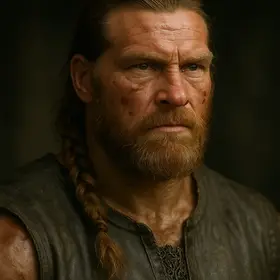
Beowulf in Beowulf
Protagonist
A renowned Geatish warrior-king who wins fame fighting Grendel, Grendel's mother, and later a dragon.
Who is Beowulf?
Beowulf is a celebrated Geatish thane who travels to aid Hrothgar and later becomes king of the Geats. Motivated by the heroic code—courage, loyalty, gift-exchange, and the pursuit of lasting renown—he volunteers to confront Grendel unarmed, defeats him, and then descends to the mere to slay Grendel's Mother, returning with trophies and rich gifts. He dutifully presents Hrothgar's rewards to his lord Hygelac and accepts elevated status at home. After a long reign marked by generosity and political responsibility, Beowulf confronts a dragon that ravages his people. Though aged, he chooses to fight the dragon himself; his thanes abandon him except for Wiglaf, who aids him in killing the foe. Mortally wounded, Beowulf secures the hoard, names Wiglaf as successor-like heir, and requests a barrow to preserve his fame. Across these episodes he acts as the poem’s exemplar of the ideal warrior-king and the human limits of even the greatest hero.
In the book: Beowulf is the central hero of the Old English epic, a renowned warrior from Geatland who crosses the sea to aid a troubled Danish king and later leads his own people. He embodies the heroic code—courage, loyalty, generosity, and a quest for lasting fame—serving as the poem’s model of ideal leadership and martial excellence while testing himself against extraordinary threats.
Personality
- Courageous
- He refuses weapons against Grendel and insists on wrestling him hand-to-hand in Heorot (VI–XII).
- Loyal
- He returns Hrothgar’s gifts to Hygelac and pledges support to his lord and people after his Danish exploits (XXXI).
- Generous
- He accepts Hrothgar’s rewards and then distributes treasure to Hygelac and his retainers, fulfilling reciprocal obligations (XXXI–XXX).
- Proud-seeking-fame
- He repeatedly frames his actions as seeking lasting renown or an honorable death, notably before facing Grendel and the dragon (VII, XXXV).
- Aging but resolute
- As an old king he chooses to confront the dragon himself despite foreboding and the necessity of special iron shields (XXXIII–XXXIV).
Character arc
Beowulf appears first as a young, towering thane eager to prove his strength and earn honor; he volunteers to cross the sea, wins acclaim by defeating Grendel without weapons, and then avenges Danish losses by slaying Grendel’s Mother, returning as a celebrated warrior who distributes rewards to his lord. These victories elevate his reputation and secure political favor at Hygelac’s court. Over decades he transitions from expeditionary hero to ruling king, embodying gift-giving and protective duties to his people. In old age, faced with a dragon that destroys his hall, he reverts to the lone-hero model—choosing direct action rather than delegating—reflecting both personal courage and tragic limits: his companions flee save for Wiglaf, and Beowulf dies of wounds after the dragon is slain. His final requests—seeing the treasure and ordering a burial mound—complete his concern for legacy and renown. The arc moves from youthful glory to responsible kingship to a sacrificial, fatal assertion of honor that secures memory but costs his life.
Relationships
- Hrothgar A grateful Danish king whom Beowulf aids by killing Grendel and Grendel's Mother; Hrothgar becomes a mentor-figure who warns him about pride (VII–XXVI).
- Hygelac Beowulf’s lord and kinsman who receives the treasures Beowulf wins and later elevates him at court (V, XXVIII–XXXI).
- Wiglaf A loyal young thane who alone stays to help Beowulf fight the dragon and who receives Beowulf’s final gifts and leadership charge (XXXVI–XXXVIII).
- Unferth A Danish thane who taunts Beowulf but later lends (or returns) the sword Hrunting; Beowulf rebukes him and then outshines his words with deeds (IX–XXV).
- Grendel The marauding monster Beowulf confronts unarmed in Heorot and defeats, hanging the monster’s arm as a trophy (XII–XIII).
- Grendel's Mother Avengeful foe whom Beowulf tracks to her mere, defeats with a giant-made sword, and whose lair yields Grendel's head as proof (XX–XXV).
Quotes by Beowulf
“We are Geats.”
V. THE GEATS REACH HEOROT.A concise declaration of identity that opens the Geats’ formal introduction and establishes their claim to kinship and duty.
“To the noble one bear we a weighty commission, The helm of the Danemen; we shall hide, I ween, Is it true that a monster is slaying Danish heroes?”
V. THE GEATS REACH HEOROT.Beowulf states the party’s mission and the reason for coming: to learn whether the reported killer among the Danes is true and to offer aid.
“Beowulf hight I. To the bairn of Healfdene,”
VIBeowulf’s concise self-identification; he signals his name and that he addresses the son of Healfdene (Hrothgar).
“I shall manage the matter, with the monster of evil, The giant, decide it.”
VIIBeowulf asserts his intention to confront Grendel directly and confidently frames the coming fight as his alone to settle.
“My good friend Unferth, sure freely and wildly, O friend Unferth, you are fuddled with beer, and cannot talk coherently.”
IXBeowulf answers by discrediting Unferth’s speech and asserting his own clearer account of the swimming episode.
“Then we two companions stayed in the ocean After five days the currents separated us.”
IXBeowulf recounts the ordeal at sea to demonstrate endurance and the true danger they faced, turning the tale into proof of his heroism.
Why Beowulf matters
Beowulf embodies the poem’s exploration of the heroic ideal—bravery, loyalty, gift-exchange, and the pursuit of fame—and also its meditation on mortality and the limits of power. His victories restore communal safety and demonstrate how individual heroism underwrites social bonds; his distribution of treasure models reciprocal kingship. Yet his final, fatal choice to fight the dragon alone highlights the tension between personal glory and communal survival: his death leaves the Geats vulnerable. Through Beowulf the text weighs glory against prudence and shows how wyrd, aging, and fate shape even the finest ruler’s legacy.
Chapters with Beowulf
More Beowulf characters
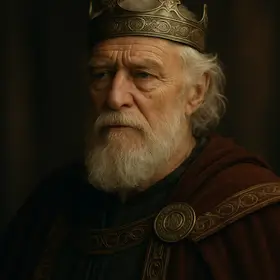 HrothgarMajor character
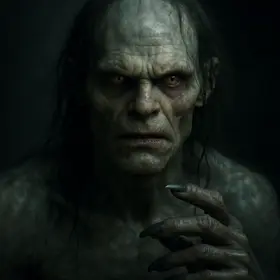 GrendelAntagonist
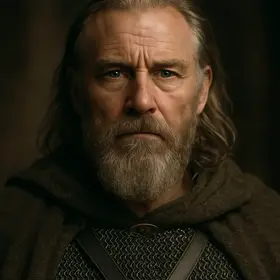 EcgtheowMinor character
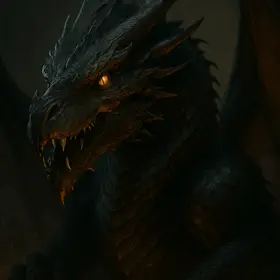 The DragonAntagonist
- HHealfdeneMinor character
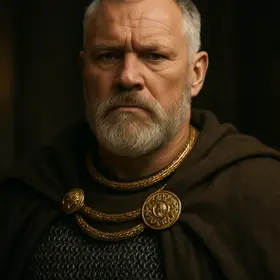 HygelacMajor character
- HHigelacMajor character
- GGodMajor character
All chapter summaries ›Characters ›
Read Beowulf illustrated
Every scene in these notes comes from the Book2Life reader, where the full public-domain text is illustrated as you read, with character portraits and narration. Free in your browser, on iPhone and on Android.