
A Tale of Two Cities
1859 · Historical novel
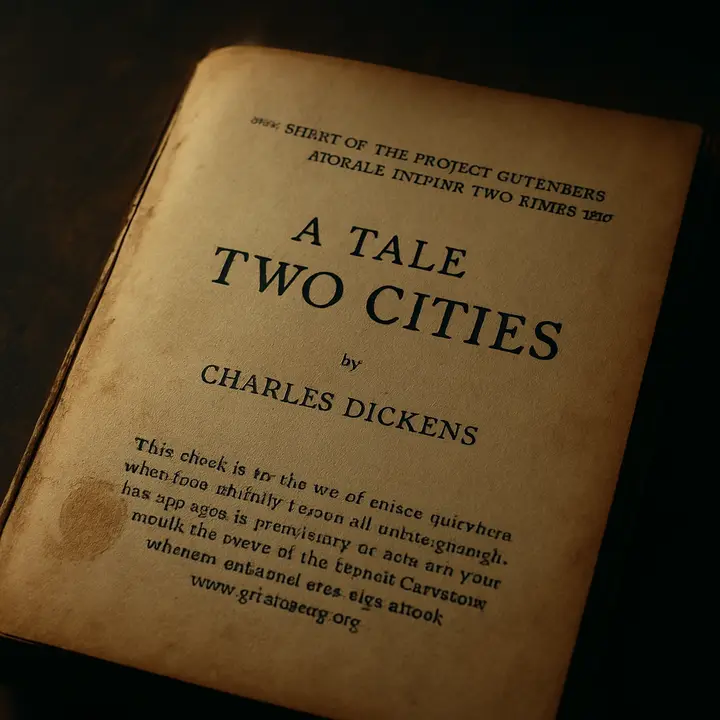
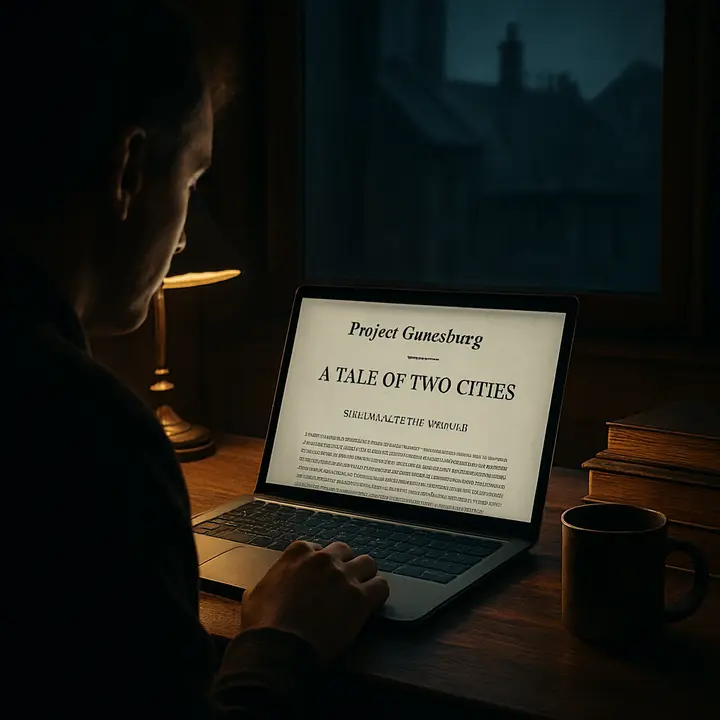
Free to read in your browser. Public-domain edition from Project Gutenberg, illustrated as you read.
About This Book
Charles Dickens' A Tale of Two Cities is a sweeping historical novel set against the backdrop of the French Revolution. The story moves between London and Paris, following the intertwined fates of Charles Darnay, a French aristocrat who renounces his family's cruelty, and Sydney Carton, a dissolute English lawyer who finds redemption through an extraordinary act of sacrifice. At the center of the novel is Lucie Manette, whose love binds these two men together, and her father Doctor Manette, imprisoned for eighteen years in the Bastille and now struggling to reclaim his shattered mind. As the Revolution erupts and the Reign of Terror descends on Paris, the characters are swept up in forces far beyond their control. It opens with one of the most famous lines in literature, "It was the best of times, it was the worst of times." A Tale of Two Cities is Dickens at his most dramatic, delivering a story of love, sacrifice, and resurrection that builds to one of the most powerful endings in all of fiction.
Characters in A Tale of Two Cities
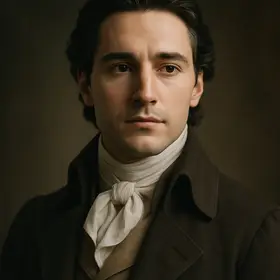 Charles DarnayCharles Darnay is a French-born gentleman who rejects the cruelties of his aristocratic heritage and seeks an honorable life in England. His quiet integrity and compassion connect him closely with the Manette family, and his past and identity pull him into the upheavals of the French Revolution, where questions of loyalty, justice, and personal sacrifice converge around him.
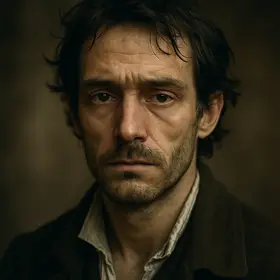 Sydney CartonSydney Carton is a brilliant yet self‑destructive barrister whose cynicism and heavy drinking mask a deep capacity for feeling. Through his connection to Lucie Manette and Charles Darnay, he becomes central to the novel’s exploration of identity, love, and the possibility of moral renewal, embodying the theme that even wasted lives can find purpose.
 Lucie ManetteThe devoted daughter of Dr. Manette, Lucie is the moral and emotional center of the story, whose kindness and steadfast love bind disparate characters together across London and revolutionary Paris. Her presence inspires loyalty and sacrifice, and she often serves as a beacon of hope amid violence and upheaval, influencing crucial choices without wielding overt power.
 Dr. ManetteDr. Alexandre Manette is a French physician whose long, unjust imprisonment profoundly scars him but also forges the quiet strength that anchors those he loves. As the devoted father of Lucie Manette, he becomes a moral and emotional center of the story, his fractured past shaping key relationships and choices while embodying themes of suffering, memory, and renewal.
 Ernest DefargeErnest Defarge is the Paris wine‑shop keeper of Saint Antoine and a key organizer among the common people. Formerly a servant to Dr. Manette, he helps shelter and protect him while quietly building networks that feed the coming revolutionary fervor. As husband to the formidable Madame Defarge, he stands at the crossroads between personal loyalty and political commitment, shaping the novel’s depiction of collective unrest without centering the story on himself.
 Madame DefargeMadame Defarge is the implacable co‑owner of the Paris wine shop and a quiet power within the revolutionary underground. Calm, observant, and fiercely committed to retribution, she organizes and records enemies through her coded knitting, embodying the collective rage and resolve of the oppressed without revealing her plans outright.
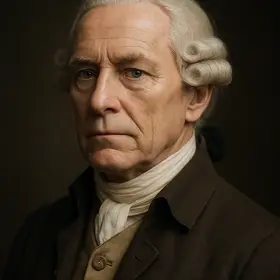 Jarvis LorryA senior banker at Tellson’s, Jarvis Lorry is the dependable “man of business” who initiates key events by arranging delicate journeys between England and France and by looking after the welfare of the Manette family. Calm, practical, and unfailingly loyal, he serves as a steady moral anchor and a bridge between private lives and public upheaval, offering prudence, compassion, and quiet courage without seeking the spotlight.
 Miss ProssMiss Pross is Lucie Manette’s fiercely loyal companion and protector—practical, plainspoken, and unshakably devoted, forever calling Lucie “Ladybird.” She provides comic bluntness and moral backbone, embodying steadfast English common sense and courage, and her unwavering vigilance plays a key role in safeguarding the Manette family as political dangers rise.
 Jerry CruncherJerry Cruncher is the rough-and-ready porter and messenger for Tellson’s Bank who doubles as a clandestine “resurrection-man,” a role that lends dark comedy and gritty realism to the story. His errands tie London and Paris plotlines together, and his blustering treatment of his pious wife, along with the curiosity of his son, reveals themes of hypocrisy, superstition, and the possibility of self-reform without overshadowing the novel’s central drama.
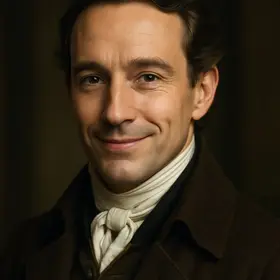 John BarsadJohn Barsad is a professional informer who operates under an assumed respectability, serving as a witness and spy whose testimony and betrayals help set major legal and political events in motion. His duplicity threads through both London and Paris, and his concealed connection to another character eventually makes him a pivotal, if reluctant, tool in a critical plan without which the story’s climax could not unfold.
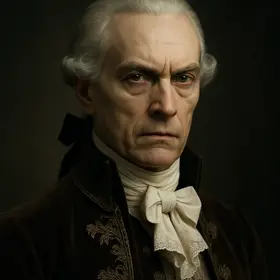 Marquis St. EvrémondeThe Marquis St. Evrémonde is a ruthless French nobleman and Charles Darnay’s uncle, embodying the callous privilege and tyranny of the aristocracy on the eve of the Revolution. His indifference to suffering and imperious authority make him a central symbol of the social injustice that fuels the novel’s tensions and propels key characters into moral and political conflict.
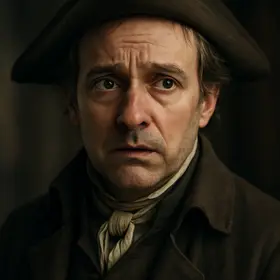 GabelleGabelle is a small-town tax and post official in the Evrémonde domain whose timid loyalty and legal entanglements place him at the mercy of revolutionary forces; his plight becomes a catalyst that draws major characters into critical choices and deepens the novel’s conflict between old regime and revolution, highlighting themes of duty, fear, and responsibility.
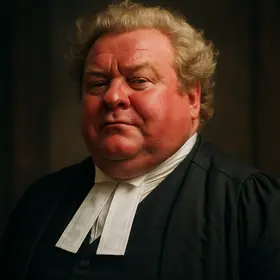 C. J. StryverC. J. Stryver is an ambitious London lawyer whose bluster and social climbing contrast with the quiet integrity of others around him. Professionally successful and self‑congratulatory, he relies heavily on the unseen labor and sharp mind of his colleague Sydney Carton, a dynamic that highlights themes of merit versus appearance. His interactions with the Manette circle and the courts help illuminate the novel’s legal world and the moral vanity of certain strata of English society, without being central to the story’s deepest sacrifices.
 The VengeanceThe Vengeance is a fervent revolutionary of Saint Antoine and the most zealous lieutenant to Madame Defarge, tirelessly whipping up the women of the quarter and celebrating each turn of the bloody tide. Through her unrelenting bloodlust and mob leadership, she embodies the novel’s portrait of how personal grievance and collective fury can harden into ruthless fanaticism.
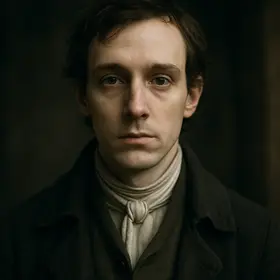 Roger ClyRoger Cly is a minor yet pivotal English spy and informer, closely linked with John Barsad. He appears at Charles Darnay’s trial to offer dubious testimony and later becomes a thread connecting the novel’s London intrigues with events in revolutionary France. His secretive movements and questionable “death” help expose the murky world of informers that shadows the main characters.
 The SeamstressA humble prisoner during the French Revolution, the Seamstress appears in the novel’s climax and offers quiet companionship and courage. Through her tenderness and faith, she humanizes the suffering of ordinary people and helps illuminate the story’s themes of sacrifice, redemption, and grace without drawing attention to herself.
Study guide
Summaries and analysis of all 45 chapters, and profiles of 18 characters, illustrated with scenes from the book.
A Tale of Two Cities summary ›A Tale of Two Cities characters ›
Key Scenes & Storyboard
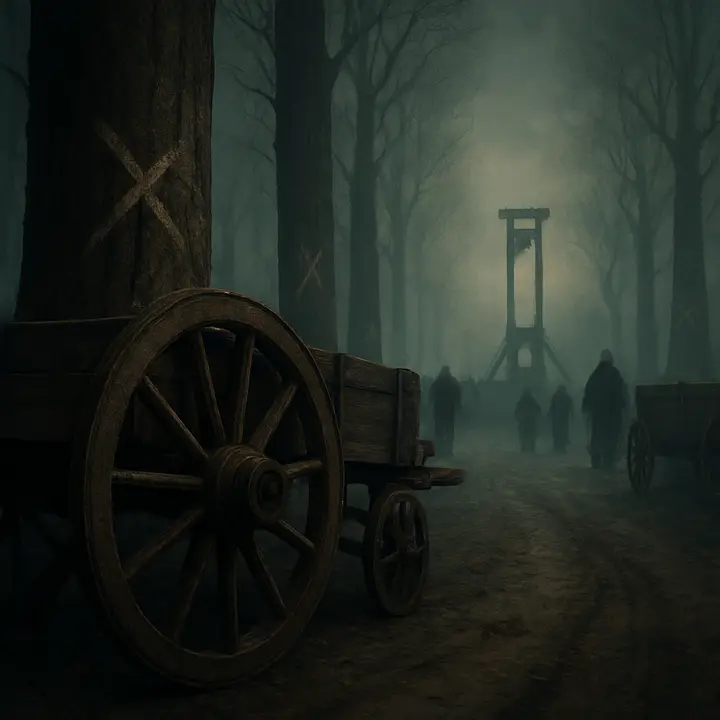
3 illustrated scenes. These appear beside the passage they depict as you read.
Themes
- Sacrifice & Redemption
- Revolution & Justice
- Love & Loyalty
- Resurrection & Renewal
- Violence & Oppression
Why Read A Tale of Two Cities?
A Tale of Two Cities is Dickens' most tightly plotted novel, and its final pages deliver an emotional impact that stays with you long after you finish. Sydney Carton's journey from cynicism to selfless heroism is one of the great character arcs in literature, and the novel's depiction of how quickly justice can turn to vengeance remains profoundly relevant.
Book2Life's AI storyboard brings revolutionary Paris and Georgian London to life: the storming of the Bastille, the grim shadow of the guillotine, and the quiet moments of love and courage that shine through the darkness.
Experience A Tale of Two Cities on Book2Life
Read with AI-generated visuals, character portraits, audio narration, smart summaries, and more — free in your browser, on iPhone and on Android.