
Frederic Henry in A Farewell to Arms
Protagonist
American ambulance driver in the Italian army who narrates his wartime love affair and survival through injury, retreat, escape, and loss.
Who is Frederic Henry?
Frederic Henry is an American volunteer serving as an ambulance driver with the Italian army during World War I. He wants practical safety and, increasingly, intimacy and normalcy with Catherine Barkley. Initially detached and observational, he performs his duties—inspecting cars, arranging posts, evacuating wounded—and experiences a severe leg wound that sends him to Milan for treatment. While convalescing he cultivates a private, intense relationship with Catherine that becomes domestic life in Switzerland as she bears his child. When the Italian front collapses he flees the retreat, survives a dangerous river escape, and returns to seek Catherine. Their weeks together at Stresa and Montreux feel like a fragile exile from the war. The story ends with a hospital operation: the newborn dies and Catherine hemorrhages and dies, leaving Frederic bereft. Throughout, his actions—practical decisions in battle and escape, choices about surgery and flight, and persistent devotion—drive the narrative and reveal his shifting priorities from duty and camaraderie toward love and personal survival.
In the book: An American serving as a volunteer ambulance driver with the Italian army in World War I, Frederic Henry narrates the story in a spare, observational voice. Through his experiences at the front and his intense relationship with a British nurse, he becomes a lens for themes of love, disillusionment, chance, and the search for meaning amid the chaos of war. His perspective anchors the novel’s blend of terse realism and emotional undercurrent.
Personality
- Practical
- He inspects ambulance cars and arranges posts before an offensive (Ch. 4), and organizes escape plans from Stresa when authorities threaten arrest (Ch. 36).
- Detached
- Early narration is observational and unemotional about war logistics and the town of Gorizia (Ch. 2–5), and he reflects that he does not truly know love (Ch. 6).
- Loyal
- He repeatedly returns to Catherine during recovery, insists on being with her before and after operations (Ch. 14–17), and risks leaving uniform to be near her (Ch. 34).
- Resilient
- After being wounded and swept downstream, he survives by floating on timber, hides his identity, and makes his way back to Milan (Ch. 30–33).
- Emotionally vulnerable
- He feels hollow and lonely when missing Catherine (Ch. 7) and is left stunned and grief-stricken after Catherine’s death (Ch. 41).
Character arc
Frederic begins as a laconic, work-focused officer whose narration privileges concrete detail over introspection. Early chapters show his practical competence and social bonds with comrades like Rinaldi and the priest. Meeting Catherine shifts his priorities: what begins as flirtation and ritualized declarations of love in the villa garden grows into sustained devotion while he recuperates in Milan. Surgery and shared hospital routines deepen their domestic intimacy—rides, dinners, counting months as if married—and he increasingly seeks refuge from the war in private life. The Italian retreat forces him back into violent contingency; he shows leadership and quick decisions during the chaotic withdrawal, is wounded emotionally and physically, and survives a perilous river escape and clandestine return to Milan. His reunion with Catherine leads to an exile in neutral Switzerland where he embraces ordinary pleasures and plans for a future child. The arc closes in catastrophic loss: the birth fails and Catherine dies, collapsing Frederic from a man who sought meaning and safety in love into one shattered by bereavement. He ends haunted and alone, his earlier detachment replaced by grievous sorrow.
Relationships
- Catherine Barkley His lover and later partner in exile; she becomes the center of his emotional life, sharing hospital recovery, domestic plans, and the pregnancy that ends in her death.
- Rinaldi Close friend and messmate who teases, comforts, and helps arrange visits; their banter and loyalty mark Frederic’s war camaraderie.
- the priest A gentle confidant whose conversations about faith and the effects of war provide Frederic with moral and reflective companionship.
- Miss Gage A nurse at the Milan hospital who tends Frederic after his wound and supports the domestic rhythm that connects him to Catherine.
- Dr. Valentini The surgeon who performs Frederic’s operation and shapes his physical recovery through decisive medical action.
- Count Greffi An acquaintance in Stresa whose civilized conversation and billiards provide Frederic with moments of social respite from wartime strain.
Quotes by Frederic Henry
“Let’s drop the war.”
Book 1, Chapter 5Frederic suggests putting the war out of their conversation to create an intimate, private moment with Catherine.
“"I want it cut off," I said, "so I can wear a hook on it."”
Book 2, Chapter 15Frederic reacts angrily to the suggestion of waiting, using dark humor to express his impatience and preference for quick, decisive action.
“We really are the same one and we mustn't misunderstand on purpose.”
Book 2, Chapter 21A line that captures their determination to maintain unity and to resist outside pressures or petty misunderstandings that could break their bond.
“How do you feel, Cat?”
Book 2, Chapter 24Frederic asks Catherine about her condition as they wait for the carriage in the rain, showing his quiet concern.
“We might as well say good-by.”
Book 2, Chapter 24Frederic prompts the brief farewell at the station before Catherine’s carriage leaves for the hospital.
“We are all gentler now because we are beaten.”
Chapter 26Frederic suggests that defeat of any kind creates a moral softening, a key idea they debate about how war changes people.
Why Frederic Henry matters
Frederic embodies the novel’s tensions between stoic realism and deep emotional longing. As narrator and protagonist he translates the mechanics of war—movement, injury, retreat—into a personal chronicle where love becomes both refuge and vulnerability. His practical instincts and subsequent emotional surrender to Catherine illuminate themes of chance, survival, and the search for meaning amid chaos. The collapse of his hopes in the final scenes underlines Hemingway’s preoccupations with loss, the fragility of human plans, and how intimate bonds both sustain and expose individuals to suffering.
Chapters with Frederic Henry
- Chapter 2
- Chapter 3
- Book 1, Chapter 4
- Book 1, Chapter 5
- Chapter 6
- Book 1, Chapter 7
- Book 1, Chapter 8
- Book 1, Chapter 9
- Book 1, Chapter 10
- Book 1, Chapter 11
- Chapter 12
- Book 2, Chapter 13
- Book 2, Chapter 14
- Book 2, Chapter 15
- Book 2, Chapter 16
- Book 2, Chapter 17
- Book 2, Chapter 18
- Book 2, Chapter 19
- Book 2, Chapter 20
- Book 2, Chapter 21
- Chapter 22
- Book 2, Chapter 23
- Book 2, Chapter 24
- Book 3, Chapter 25
- Chapter 26
- Book 3, Chapter 27
- Book 3, Chapter 28
- Book 3, Chapter 29
- Book 3, Chapter 30
- Chapter 31
- Chapter 32
- Chapter 33
- Book 4, Chapter 34
- Book 4, Chapter 35
- Book 4, Chapter 36
- Book 4, Chapter 37
- Book 5, Chapter 38
- Book 5, Chapter 39
- Book 5, Chapter 40
- Book 5, Chapter 41
More A Farewell to Arms characters
 Catherine BarkleyMajor character
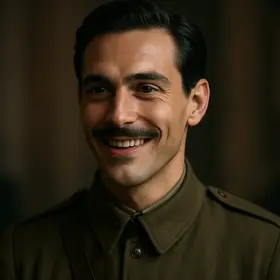 RinaldiMajor character
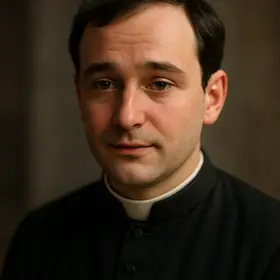 the priestMajor character
 Helen FergusonMajor character
 Miss GageMinor character
 Dr. ValentiniMajor character
 Miss Van CampenAntagonist
 PianiMinor character
All chapter summaries ›Characters ›
Read A Farewell to Arms illustrated
Every scene in these notes comes from the Book2Life reader, where the full public-domain text is illustrated as you read, with character portraits and narration. Free in your browser and on iPhone.
