Don Quixote Chapter 51 Summary
Leandra and the Soldier
A goatherd recounts the story of Leandra, a rich farmer's daughter who elopes with the flashy soldier Vicente and is later abandoned and robbed.
Summary
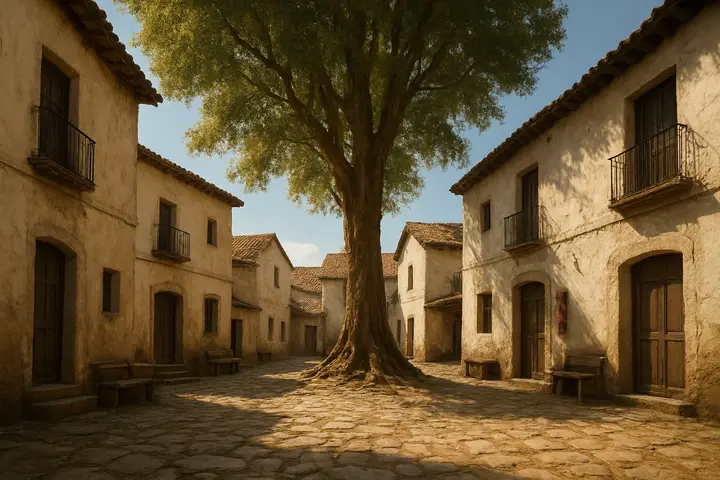
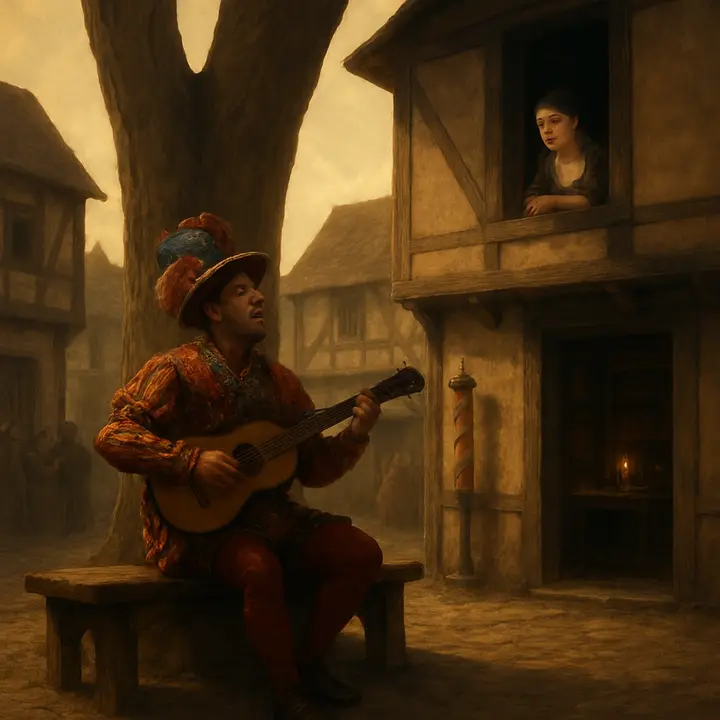
A goatherd from a nearby valley narrates the tale of Leandra, the beautiful sixteen-year-old daughter of a wealthy and respected farmer. Her fame for beauty and virtue draws many suitors, among them the narrator (Eugenio) and Anselmo; to resolve their rivalry Leandra's father delays his choice and leaves the decision to her. The account shifts when a showy returned soldier, Vicente de la Roca, arrives in town with gaudy clothes, loud tales of feats, and a talent for ballad-making. Leandra watches him from her window and, beguiled by his appearance and songs, falls in love without his having formally courted her.
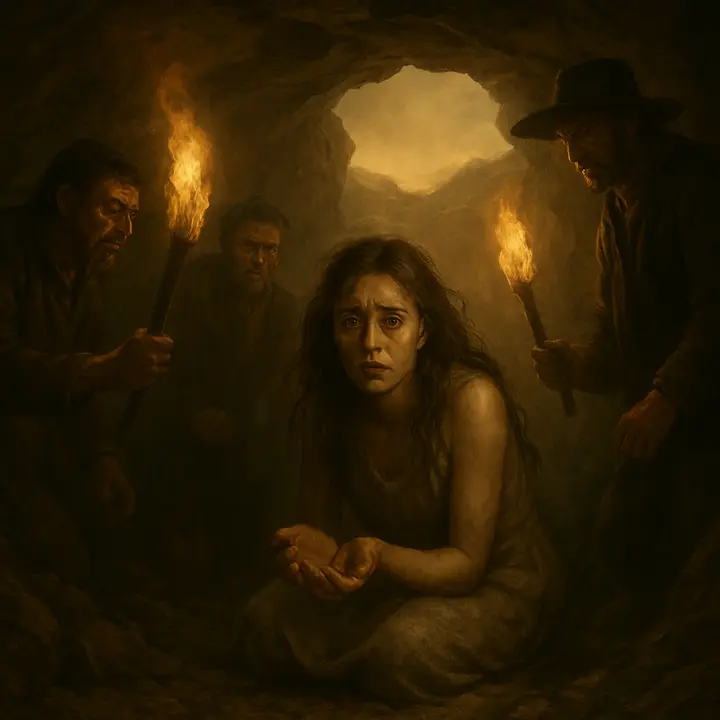
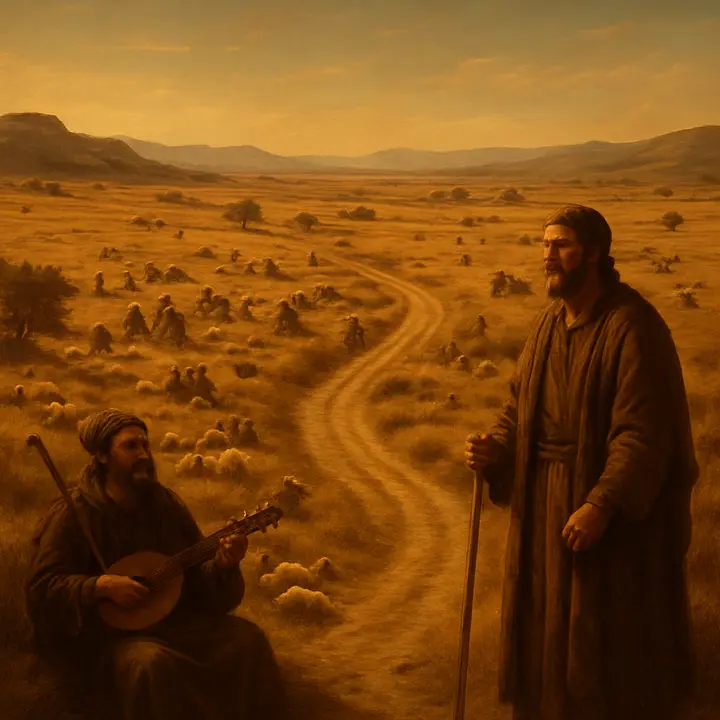
Leandra runs away with Vicente, who promises marriage and transports her to a mountain cave where she is soon discovered three days later stripped of her jewels and money; she claims he has not taken her honour but has robbed and abandoned her. Her father confines her to a nearby convent to mitigate the scandal. The narrator and Anselmo, crushed by Leandra's flight, retreat to the mountains to live as shepherds and mourners; their numbers swell as other rejected suitors follow the same pastoral melancholy. The goatherd stresses how the valley becomes filled with shepherds who alternately praise and abuse Leandra, with her name echoed across rocks and streams. He finishes by offering hospitality to the men carrying Don Quixote, promising milk, cheese, and fruit if they wish to hear more of the tale.
Key events
- Introduction of Leandra, renowned for beauty and virtue
- Narrator (Eugenio) and Anselmo await her father's decision
- Vicente de la Roca arrives in gaudy soldier's dress and charms the town
- Leandra elopes with Vicente, expecting marriage and riches
- She is found three days later robbed and abandoned in a cave
- Leandra is taken to a convent; rejected suitors become shepherd-mourners
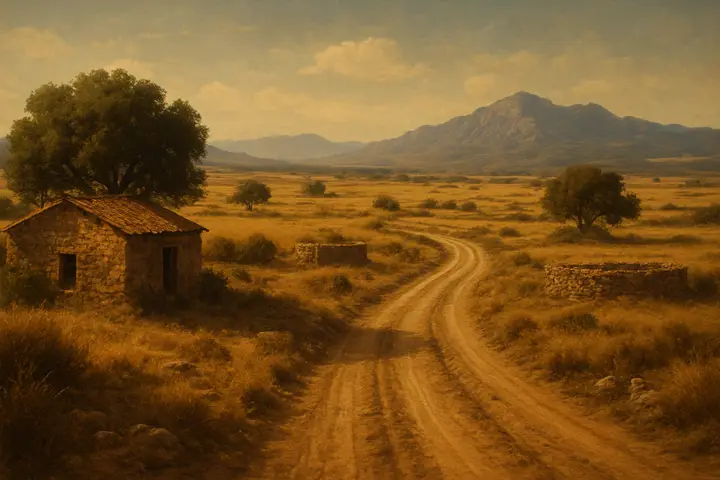
Chapter 51 in pictures
Analysis
This chapter functions as a framed anecdote delivered by a local goatherd, expanding the novel's pastoral interludes and emphasizing themes of appearance versus reality, social performance, and the consequences of romantic folly. Leandra's story contrasts outward beauty and inner judgment: her celebrated virtue is undermined by credulous attraction to the soldier's showy appearance and poetic flattery. Vicente embodies theatrical masculinity — swagger, borrowed military prestige, and ornamental dress — suggesting the novel's recurring suspicion of surface spectacle. The aftermath, with suitors turning shepherds and transforming their grief into pastoral performance, satirizes both courtship rituals and the literary fashion for shepherds' complaints, showing how social narratives replicate themselves (the mountains echoing Leandra's name literalizes rumor and communal obsession).
Narratively, the chapter also foregrounds the storyteller's voice: first-person, colloquial, and self-aware, reminding readers of the novel's layered narrators and the instability of reported truth. The story foreshadows patterns of deception and self-deception elsewhere in the book — people who present themselves as something they are not, and lovers who suffer for mistaking style for substance. Symbolically, the cave where Leandra is found and the convent to which she is confined gesture toward vulnerability and containment, while the repeated echoes of her name signal how reputation rules public life. The chapter is both a localized moral tale and a miniature exploration of themes central to Don Quixote: illusion, performance, and the social machinery that turns private misfortune into public spectacle.
Important quotes
“Her father watched over her and she watched over herself; for there are no locks, or guards, or bolts that can protect a young girl better than her own modesty.”
GoatherdEstablishes Leandra's virtue and the narrator's view that self-restraint, not external measures, best protects young women.
“the mountains ring with “Leandra,” “Leandra” murmur the brooks, and Leandra keeps us all bewildered and bewitched, hoping without hope and fearing without knowing what we fear.”
GoatherdConveys how Leandra's name becomes an obsession across the landscape, symbolizing rumor, longing, and communal fixation.
Characters in Chapter 51
- Leandra
- Eugenio
- Anselmo
- Vicente de la Roca
- the goatherd
- the farmer (Leandra's father)
- other shepherds
All chapter summaries ›Characters ›
Read Don Quixote illustrated
Every scene in these notes comes from the Book2Life reader, where the full public-domain text is illustrated as you read, with character portraits and narration. Free in your browser and on iPhone.
