Jane Eyre: An Autobiography
1847 · Coming-of-age novel
Free to read in your browser or the Book2Life app for Android. A public-domain edition, illustrated as you read.
About This Book
Jane Eyre, Charlotte Brontë's 1847 novel, is narrated by its heroine in a voice so direct that readers have been mistaking it for confession ever since. Jane is an orphan, first merely tolerated and then sent off to a charity school run on cold and discipline, who grows into a self-possessed young woman of deep feeling and firm moral clarity. She takes a post as governess at Thornfield Hall and falls into an intense, unequal love with its master, the brooding Edward Rochester. Brontë builds the novel as a series of tests. Each time Jane is offered something she wants, whether comfort or love or belonging, she has to ask what it will cost. Thornfield holds a secret that would make accepting Rochester's proposal a betrayal of her conscience. A later offer, from a different man, would give her work and even status, but at the price of herself. Jane's choices in these moments define her. Published under the male pseudonym Currer Bell, the book was recognized at once as something new: a first-person account by a woman who insisted on her own inner life and worth in a literary culture that rarely granted either. It remains one of the defining novels of the nineteenth century.
Characters in Jane Eyre: An Autobiography
 Jane EyreJane Eyre is the novel’s narrator and moral center, an orphan who becomes a governess and strives to define herself with integrity, intellect, and emotional honesty in a world constrained by class and gender. Through trials at school, in service, and in society, she insists on dignity and self-respect, shaping a story about autonomy, love, and ethical choice without surrendering her principles.
 Edward Fairfax RochesterThe master of Thornfield Hall and a quintessential Byronic hero, Edward Fairfax Rochester hires Jane Eyre as a governess to his ward and becomes the central catalyst for her moral and emotional growth. Commanding, mercurial, and enigmatic, he challenges Jane’s principles as much as he recognizes her independence, shaping the novel’s exploration of passion, integrity, and equality without overshadowing Jane’s own agency.
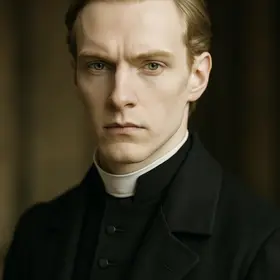 St. John RiversA serious, principled young clergyman who aids Jane at a crucial juncture, St. John embodies duty, self-denial, and missionary zeal. His disciplined temperament and lofty ambitions make him a powerful moral counterpoint to Jane’s passionate nature, forcing her to weigh obedience and purpose against inner feeling and freedom.
 Bertha MasonA shadowy, troubled presence linked to Thornfield Hall, she drives much of the novel’s gothic tension and mystery. Her disruptive appearances push hidden truths toward the surface and force confrontations that test Jane’s moral resolve and independence. Through her, the story probes themes of confinement, mental illness, and the legacies of empire.
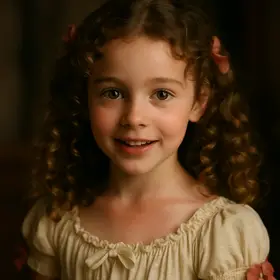 Adèle VarensAdèle Varens is Mr. Rochester’s young French ward at Thornfield Hall and becomes Jane Eyre’s pupil. Lively, affectionate, and showily precocious, she brings warmth and everyday bustle to the household, giving Jane a nurturing role and offering glimpses into Rochester’s mysterious past without being central to the novel’s main conflicts.
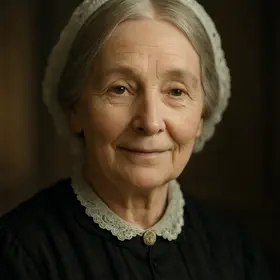 Mrs. FairfaxMrs. Fairfax is the long-serving housekeeper of Thornfield Hall, the first to welcome Jane and help her settle into her new post. She manages the household with quiet efficiency, offers practical guidance and companionship, and serves as a cautious, conventional lens through which Jane initially views Thornfield and its enigmatic master.
 Blanche IngramA wealthy, accomplished socialite and daughter of Lady Ingram, Blanche visits Thornfield Hall and becomes a prominent focus of the house party’s attentions, positioning herself as a potential match for Mr. Rochester. She serves as a foil to Jane Eyre, embodying aristocratic pride, beauty, and social ambition, which highlights the novel’s tensions around class, character, and genuine feeling without resolving the central romantic conflict.
 Helen BurnsHelen Burns is Jane Eyre’s first true friend at Lowood School, a thoughtful, bookish girl whose quiet strength, patience, and moral clarity profoundly influence Jane’s developing conscience. Through her calm example and compassionate counsel, she becomes a spiritual and intellectual mentor, shaping Jane’s ideas about dignity, forgiveness, and inner resilience.
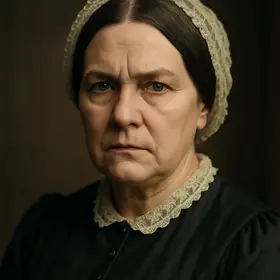 Mrs. ReedMrs. Reed is Jane Eyre’s aunt by marriage and legal guardian at Gateshead, a figure of chilly authority whose favoritism toward her own children and harsh treatment of Jane shape the heroine’s early sense of injustice and independence. As the household’s matriarch, she embodies the social and emotional constraints Jane must push against to find dignity and self-worth.
 John ReedJohn Reed is Jane Eyre’s bullying cousin at Gateshead, the favored son of Mrs. Reed whose cruelty exemplifies the injustice and class-based tyranny Jane endures in childhood. His aggression and entitlement help shape Jane’s early sense of moral outrage and resilience, making him an important foil who highlights the novel’s themes of power, abuse, and integrity without being central to the later plot.
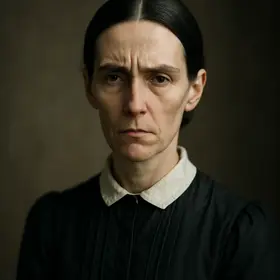 Eliza ReedEliza Reed is Jane Eyre’s older cousin at Gateshead, the dutiful and self-disciplined foil to her vain sister Georgiana and to Jane’s passionate independence. Practical, pious, and emotionally reserved, she manages household matters with cool efficiency and judges others by strict standards, serving as a portrait of rigid self-denial that contrasts with Jane’s search for balanced integrity and affection.
 Georgiana ReedGeorgiana Reed is Jane Eyre’s vain, pampered cousin at Gateshead, valued chiefly for her looks and social promise. She serves as a foil to Jane—privileged yet shallow—highlighting themes of class favoritism, beauty versus character, and the constraints placed on women’s lives. Her interactions with Jane illuminate the heroine’s isolation early on and later underscore the costs of indulgence and appearance-driven ambitions, without driving the central plot.
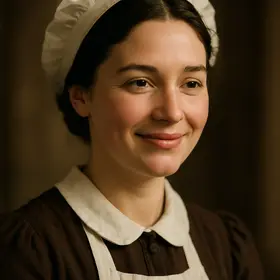 Bessie LeeBessie Lee is the nursemaid at Gateshead who tends young Jane Eyre; though sometimes strict, she is one of the first adults to show Jane consistent kindness and recognition of her worth. Through her songs, stories, and occasional advocacy, Bessie provides emotional warmth in Jane’s difficult childhood and later reappears briefly to bridge Jane’s past with her emerging future, underscoring themes of care and belonging without dominating the plot.
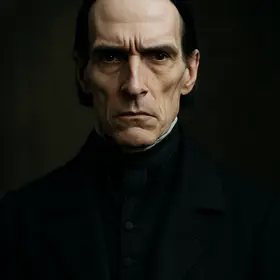 Mr. BrocklehurstMr. Brocklehurst is the stern clergyman who oversees Lowood Institution, enforcing harsh discipline and extreme austerity in the name of piety. He functions as an early antagonist to Jane, embodying religious hypocrisy and social prejudice, and his authority shapes key hardships that test her spirit and moral awareness.
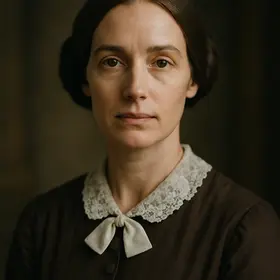 Miss TempleMiss Temple is the compassionate superintendent and teacher at Lowood who becomes Jane’s first true mentor. In a harsh environment, she models integrity, intellect, and empathy, nurturing Jane’s mind and moral sense while quietly counterbalancing the severity of the school’s leadership. Her encouragement helps shape Jane’s self-respect and aspirations.
 Grace PooleA servant at Thornfield Hall, Grace Poole is employed for a secretive duty on the house’s upper floor. Taciturn and self‑contained, she becomes the focus of Jane’s suspicions when eerie laughter and inexplicable incidents unsettle the household. Serving as a deliberate red herring, she helps maintain the novel’s Gothic tension and mystery around Thornfield.
 Richard MasonRichard Mason is a genteel visitor from the West Indies whose unexpected arrival at Thornfield unsettles everyone and hints at a concealed connection to Mr. Rochester. His presence acts as a catalyst for key revelations that shift Jane’s course, highlighting the tension between outward respectability and buried truths.
 Rosamond OliverRosamond Oliver is the wealthy, vivacious heiress of Morton and the benevolent patron of the village school where Jane teaches. Her flirtatious warmth and social sparkle captivate those around her—especially St. John Rivers—highlighting the novel’s tensions between passion, duty, and social position while illuminating the inner conflicts of key characters.
 Diana RiversDiana Rivers is one of the kind, educated sisters who shelter Jane at Moor House, offering her friendship, guidance, and a model of affectionate, balanced womanhood. Through her warmth, intellect, and moral steadiness, she helps restore Jane’s confidence and highlights themes of kinship, independence, and humane compassion, serving as a counterpoint to colder influences around Jane.
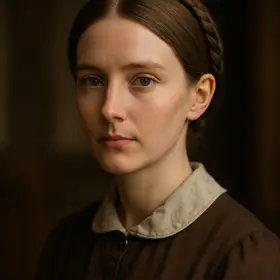 Mary RiversMary Rivers is one of the kind, well-educated Rivers sisters who, with their brother St. John, provide Jane shelter and friendship at Moor House. Gentle, sensible, and bookish, Mary becomes an important model of female intellect and compassion, helping steady Jane during a period of hardship without drawing attention to herself.
 Mr. BriggsMr. Briggs is a solicitor who enters the story at pivotal moments to assert and clarify legal facts. He intervenes during a crucial ceremony to raise a formal objection, and later reappears with important news about Jane’s family and inheritance. Though not emotionally central, he acts as a catalyst who brings hidden information to light and alters the course of events.
Study guide
Summaries and analysis of all 38 chapters, and profiles of 33 characters, illustrated with scenes from the book.
Key Scenes & Storyboard
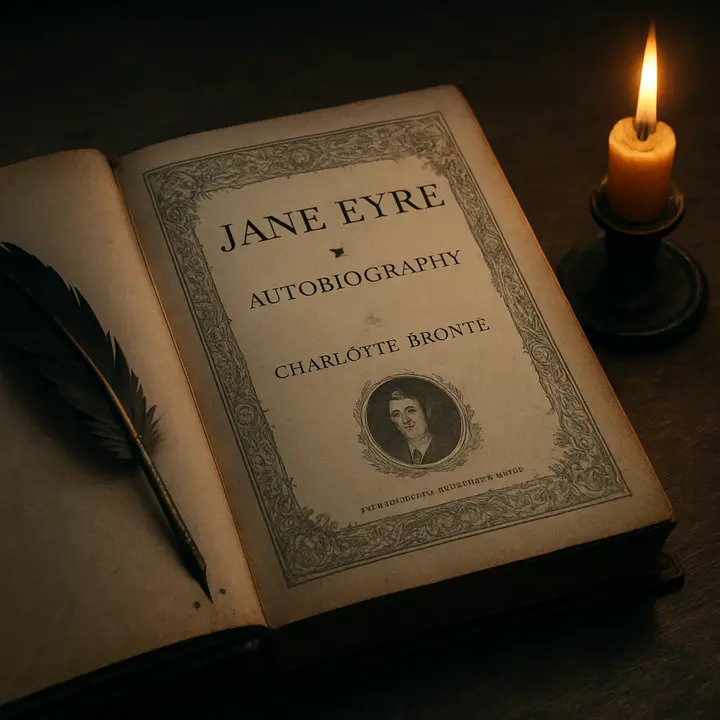
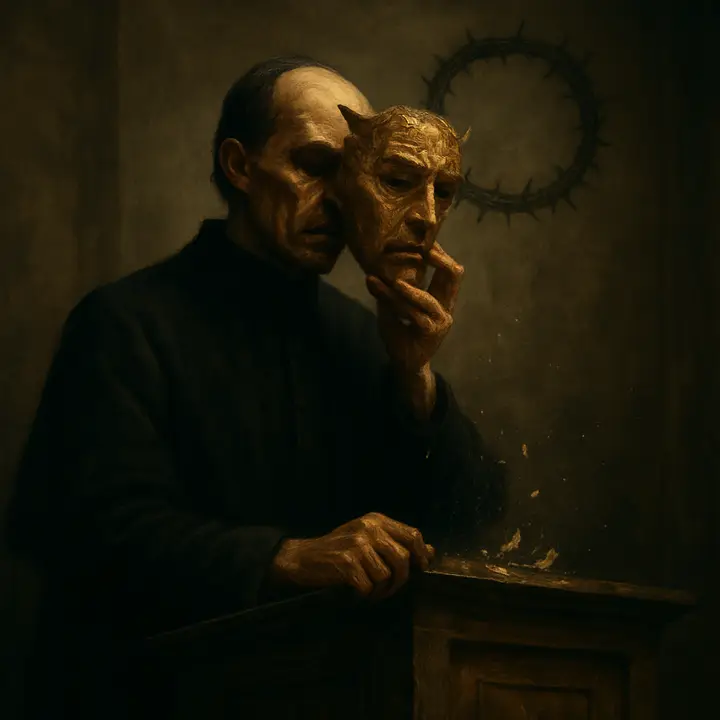
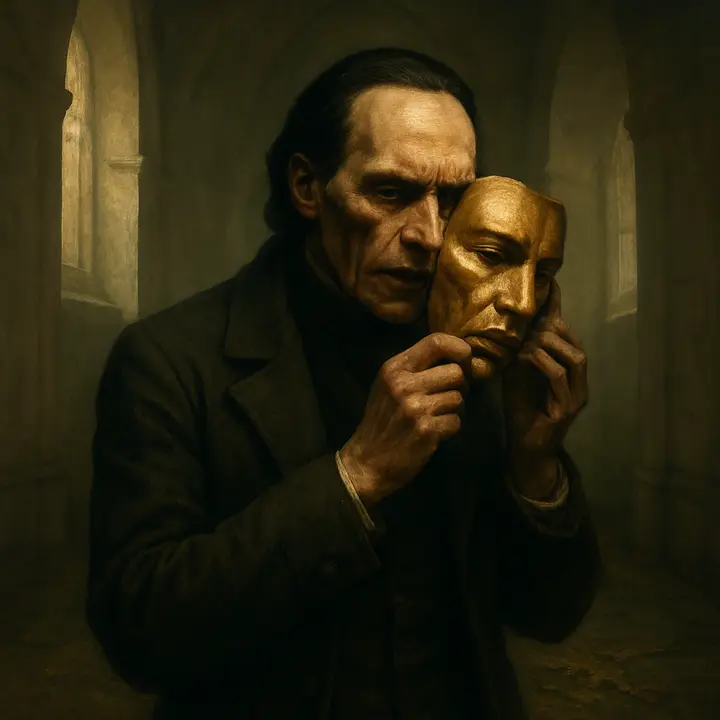
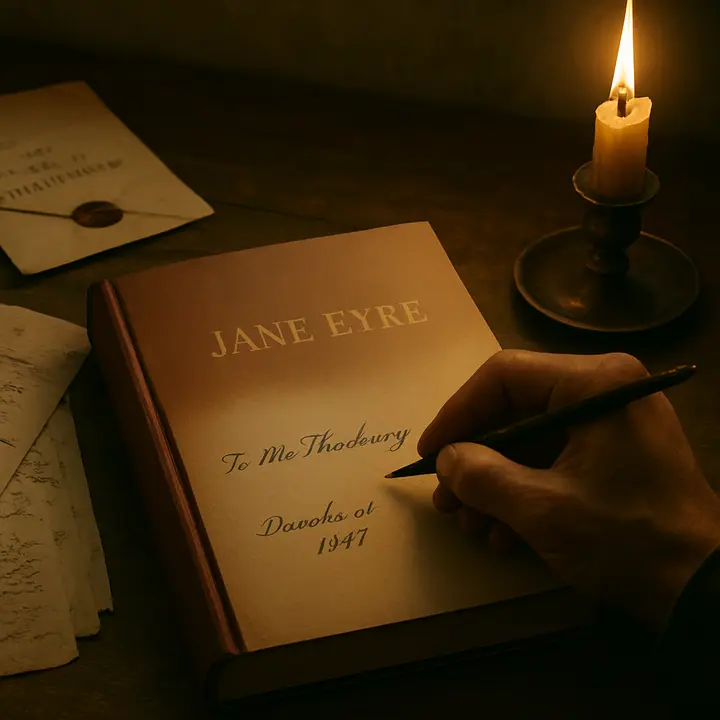
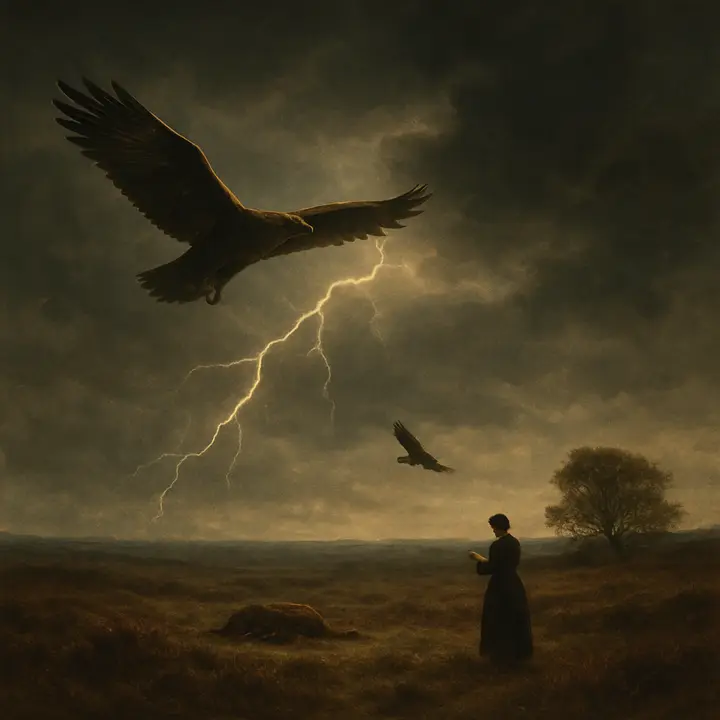
15 illustrated scenes. These appear beside the passage they depict as you read.


Themes
- Conscience & Self-Respect
- Love & Power
- Class & Social Mobility
- Gothic Mystery
- Female Autonomy
Why Read Jane Eyre: An Autobiography?
Jane Eyre invented a certain kind of heroine, plain and poor and unwilling to be diminished, and the template has never been improved on. Brontë writes passion and restraint into the same sentence, and the gap between what Jane feels and what she allows herself keeps the novel taut from the first page to the last.
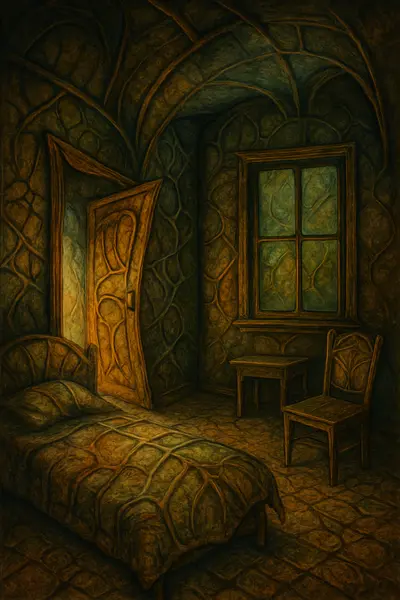
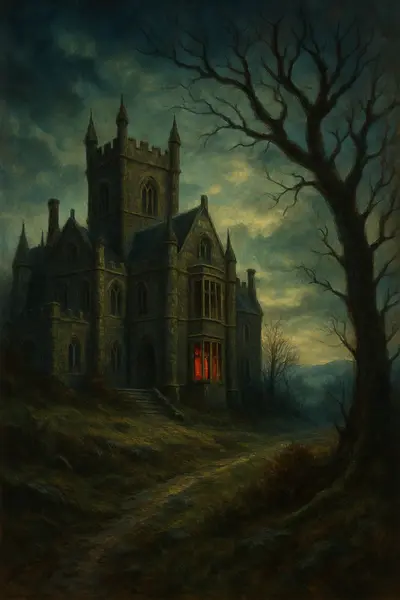
Thornfield Hall, the moors, the red room of Jane's childhood: these images stay with readers for decades. As you read, Book2Life illustrates them and gives Jane and Rochester their own faces, so Brontë's gothic world has the visual depth it asks for.
Read Jane Eyre: An Autobiography to the last page
A voice reads along as each word lights up, every character gets a face, and a recap brings you back without spoilers. Free in your browser, on iPhone, iPad, Mac and Android.