
Amy March in Little Women
Major character
The youngest March sister, an aspiring artist who learns refinement, selflessness, and social grace.
Who is Amy March?
Amy March is the youngest of the March sisters: vain, socially conscious, and artistically ambitious in her youth. She cares for appearance and manners, studies drawing, and imagines a future in polite society and fine art. Early episodes show petty vanity and schoolroom mortification (the lime incident) and childish spite (burning Jo’s manuscript), but family discipline, illness in the household, and time with Aunt March teach her steadiness and better judgment. Sent away during Beth’s scarlet fever, Amy uses the separation to practice piety and order—writing a humorous will and creating a little private chapel. As she matures she devotes herself to artistic study, experiments with many media, and undertakes social lessons (calls, a failed luncheon, the fair) that cultivate dignity and generosity. Travel in Europe broadens her taste and prudence; she keeps a practical eye on marriage prospects and ultimately forms a calm, companionable match with Laurie, returning as a gracious, capable wife and hostess.
In the book: The youngest of the March sisters, Amy is an aspiring artist whose refinement, social ambition, and keen sense of manners provide a foil to her sisters’ temperaments. Through family trials and her devotion to art and “proper” conduct, she grows from a vain, status-conscious girl into a more thoughtful young woman, highlighting themes of maturity, class, and the different shapes female ambition can take.
Personality
- Artistic
- She persistently practices drawing, painting, and modeling and keeps a portfolio on their hill picnic in 'Castles in the Air' and later documents artistic experiments in 'Artistic Attempts.'
- Status-conscious
- Her mortification over social slights—like the pickled limes scandal at school (Chapter 7) and losing a prominent fair place (Chapter 30)—shows her sensitivity to reputation.
- Refined manners
- Amy trains herself in deportment during Jo’s enforced calling round (Chapter 29) and cultivates graceful social habits while abroad in 'Our Foreign Correspondent.'
- Growing selflessness
- She composes a whimsical yet sincere will while fearing Beth’s death (Chapter XIX) and later gives away keepsakes and learns to act with dignity at the fair (Chapter XXX).
- Practical
- While in Europe she considers Fred Vaughn’s prospects and resolves pragmatically that one sister should 'marry well' if necessary (Chapter XXXI).
Character arc
Amy begins as a vain, young girl preoccupied with appearance, limes, and social favor. Early humiliations—being forced to throw away contraband limes at school and suffering corporal punishment (Chapter 7)—and her role in destroying Jo’s manuscript (Chapter 8) mark childishness and moral lapses. A narrow escape on the ice and Beth’s illness force Amy into contrition and a more serious interior life; Aunt March’s strict routines and the experience of composing a will while fearing Beth’s death (Chapter XIX) cultivate discipline and piety. Back home she practices refinement through calls, managing an ill-fated luncheon, and steadily improving her artistic technique ('Artistic Attempts', Chapter 26). Invitations to fairs, offers of travel, and European study broaden her perspective; she measures affection and security practically in letters from Paris and Heidelberg (Chapter XXXI). Reunions abroad with Laurie (Chapters XXXVII–XLI) shift from childhood rivalry to mature companionship; by the time she returns and marries Laurie (Chapter XLIII), Amy is gracious, composed, and ready to preside as a cultivated, charitable wife, showing how social ambition is tempered into considerate, responsible adulthood.
Relationships
- Jo March Younger sister whose manuscript Amy burns in anger (Chapter 8) and who later forgives and remains a close but differently minded confidante.
- Beth March Sister whose illness and possible death prompt Amy’s penitence and the composing of a private will (Chapter XIX); Beth’s recovery and death deeply shape Amy’s seriousness.
- Meg March Older sister and companion in household duties and wedding preparations; Meg models domestic responsibility while Amy helps with aesthetic touches (Chapters 24–25).
- Laurie Childhood friend who becomes Amy’s suitor abroad; their renewed, mature attachment leads to marriage (Chapters XXXVII–XLIII).
- Aunt March A strict guardian who enforces routines, polishes Amy’s manners, and provides the environment that refines Amy’s social habits (Chapters XIX, XIX–XX).
- Mr. Laurence Neighbor and family friend whose house and piano early on encourage the sisters’ talents; he acts as a benign grandfather figure whom Amy learns to respect (Chapter VI).
Quotes by Amy March
“I just wish I had a little of the money Laurie spends on that horse,”
Chapter 7Amy casually expresses envy of Laurie's spending, introducing her desire for pocket-money to buy limes.
“I want you to read that, please, and tell me if it is legal and right.”
XIXAmy asks Laurie to read and advise on her will, showing her serious, earnest attempt to be orderly and self-sacrificing amid fear for Beth.
“"I've thought a great deal lately about my 'bundle of naughties,' and being selfish is the largest one in it; so I'm going to try hard to cure it, if I can."”
XXAmy explains to her mother why she wants to wear the turquoise ring: as a tangible reminder to overcome selfishness.
“"If I can't have it as I like, I don't care to have it at all. I know that I can carry it out perfectly well, if you and the girls will help a little; and I don't see why I can't if I'm willing to pay for it,"”
XXVIShows Amy's determined, proud temperament and her commitment to managing the elegant fête herself.
“"Bundle everything into a basket and send it to the Hummels: Germans like messes. I'm sick of the sight of this; and there's no reason you should all die of a surfeit because I've been a fool,"”
XXVIAmy's exasperated, humorous reaction after the failed luncheon, underscoring her pride and the family's good-natured recovery.
“"Come, Jo, it's time."”
XXIXThe call to leave sewing and begin the round of social visits; it sets the chapter's action in motion.
Why Amy March matters
Amy embodies the novel’s exploration of different forms of female ambition and maturation. Her trajectory from vanity to cultivated modesty shows that refinement and social grace are not merely superficial but can be disciplined into tools for generosity and usefulness. Through Amy, the book contrasts artistic aspiration with domestic duty and argues that social position and aesthetics, when balanced by conscience and charity, contribute to moral growth. Her marriage to Laurie and her European training suggest a merging of personal taste, practical judgment, and affectionate responsibility, illustrating how individual desire must be reshaped by family loyalty and ethical development.
Chapters with Amy March
- II. A Merry Christmas.
- Chapter 3
- IV. Burdens.
- 4. Burdens
- 5
- VI
- Chapter 7
- Chapter 8
- IX
- Chapter 9
- X
- XI
- Chapter 12
- XIII
- Chapter 13
- Chapter 14
- XV. A Telegram.
- Chapter 16
- Chapter 17
- Chapter 18
- XIX
- XX
- Chapter 21
- Chapter 22
- Chapter 23
- Chapter 24
- XXIV. Gossip.
- Chapter 25
- XXVI
- Chapter 27
- Chapter 28
- XXIX
- XXX
- XXXI
- XXXII
- Chapter 33
- 36
- XXXVII
- 38
- Chapter 39
- XL
- Chapter 41
- XLII
- XLIII
- XLIV
- 45
- XLVI
- Chapter 47
More Little Women characters
 Jo MarchProtagonist
 Beth MarchMajor character
 LaurieMajor character
 Meg MarchMajor character
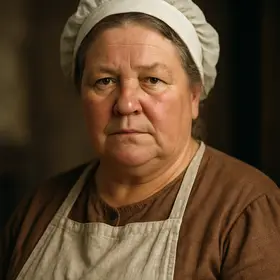 HannahMajor character
 Mr. LaurenceMajor character
 MarmeeMajor character
 Mr. MarchMajor character
All chapter summaries ›Characters ›
Read Little Women illustrated
Every scene in these notes comes from the Book2Life reader, where the full public-domain text is illustrated as you read, with character portraits and narration. Free in your browser and on iPhone.
