Metamorphosis
1915 · Absurdist fiction
Free to read in your browser or the Book2Life app for Android. A public-domain edition, illustrated as you read.
About This Book
The Metamorphosis, Franz Kafka's 1915 novella, begins with one of the most famous opening sentences in world literature: Gregor Samsa wakes one morning to find himself turned into a monstrous insect. Kafka treats the premise with complete deadpan seriousness. Gregor's first worry is not his transformation but whether he will make it to work on time. His family's worry, before long, is how to get rid of him. The story unfolds over weeks as the Samsa family adjusts, with varying degrees of disgust and guilt, to the new situation. Gregor can no longer work, which means he has lost the only value the household ever placed on him. His sister Grete tends to him at first with something like tenderness, but the burden of his presence wears that away. His father turns openly hostile. His mother cannot bring herself to look at him. Kafka never explains the transformation, and the story draws much of its power from that silence. The Metamorphosis can be read as a parable about alienated labor and the self that disappears once it stops being useful. It can equally be read as a precise account of illness and depression, and of what happens in a family when someone can no longer perform their expected role. Both readings are correct. Neither is complete.
Characters in Metamorphosis
 Gregor SamsaGregor Samsa is a traveling salesman and the primary breadwinner for his family, whose sudden transformation isolates him and exposes the fragility of familial duty and social identity. Through his perspective, the story explores alienation, obligation, and the dehumanizing effects of work and dependence without relying on explicit causes or explanations.
 Grete SamsaGrete is Gregor Samsa’s younger sister and the family member who initially steps forward to care for him when his life abruptly changes. Her actions and reactions become a barometer for the household’s shifting dynamics, and her growth from dependent daughter to a more assertive presence is central to the novella’s exploration of duty, empathy, and the strains of familial obligation—without giving away the story’s final turns.
 Mr. SamsaMr. Samsa is Gregor’s father and the family’s stern authority figure, whose behavior sets the household’s tone as their circumstances change. He embodies conventional respectability and discipline, and his responses to Gregor drive much of the story’s tension and reveal shifting power dynamics within the family without the need for explicit exposition.
 Mrs. SamsaMrs. Samsa is Gregor’s mother, a timid, anxious presence who loves her son yet is overwhelmed by fear and social propriety. She tries to mediate between family members, cushioning conflicts while struggling with her own ill health and shock. Her reactions illuminate the family’s dependence on Gregor and the unraveling of their domestic routine, highlighting themes of duty, shame, and fragile compassion without driving the plot’s decisive actions.
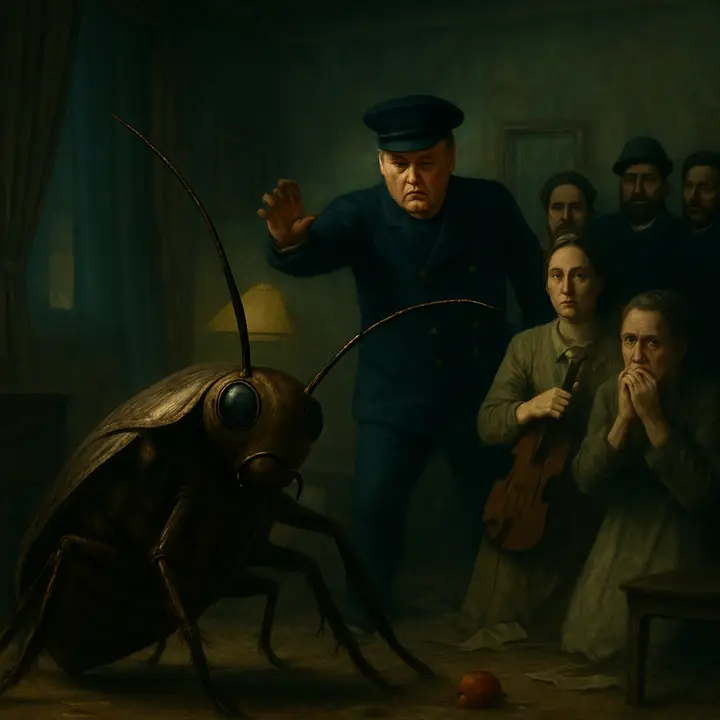
 The Chief ClerkThe chief clerk is the emissary of Gregor Samsa’s employer who arrives to question Gregor’s unexpected absence from work. He represents the impersonal pressure of bureaucratic authority and economic necessity, escalating the tension within the Samsa household and highlighting the fragile bond between the individual and the institution, without himself occupying much space as a fully realized character.
 The CharwomanHired by the Samsa family after their maid departs, the Charwoman becomes a practical, unflinching presence who treats the strange situation in the household with matter-of-fact curiosity rather than horror. She punctures the family’s anxious pretenses, handles chores others avoid, and provides a coarse, earthbound counterpoint to the story’s claustrophobic anxiety, highlighting class dynamics and the limits of bourgeois decorum without centering the narrative on herself.
 The LodgersThe Lodgers are three boarders who move into the Samsa household, bringing rent money and a rigid, exacting presence. Their arrival shifts the family dynamic, heightens the pressure for order and propriety, and indirectly intensifies Gregor’s isolation by turning the home into a space governed by outsiders’ expectations, thereby advancing the novella’s themes of dehumanization and social conformity.
Study guide
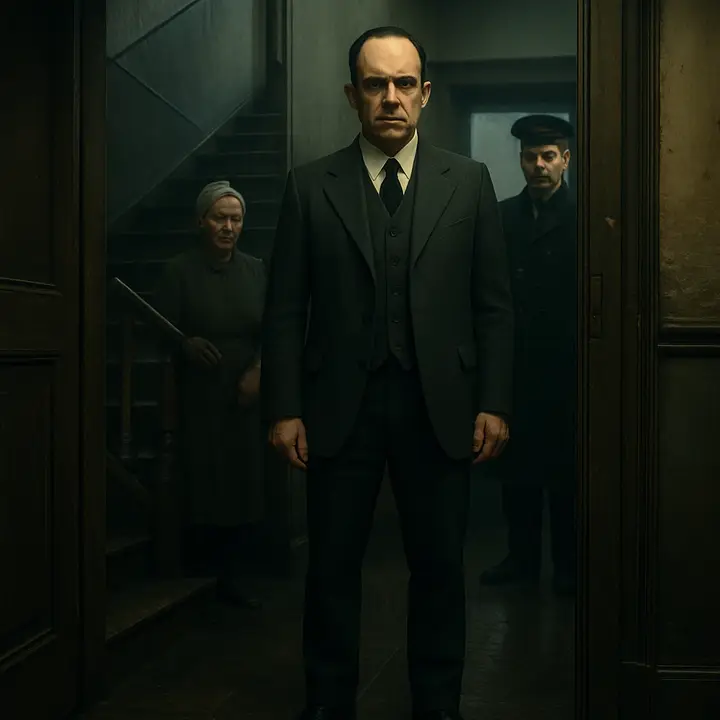
Summaries and analysis of all 3 chapters, and profiles of 7 characters, illustrated with scenes from the book.
Key Scenes & Storyboard
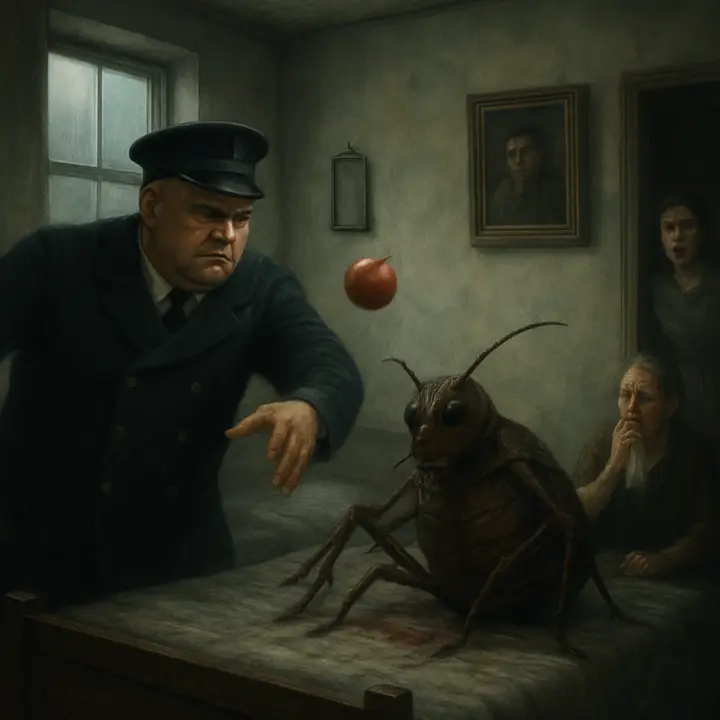
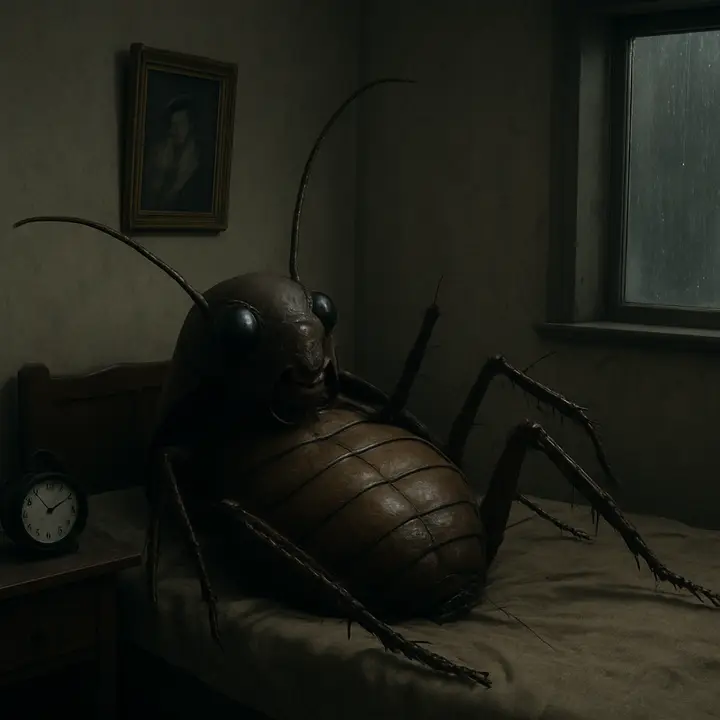
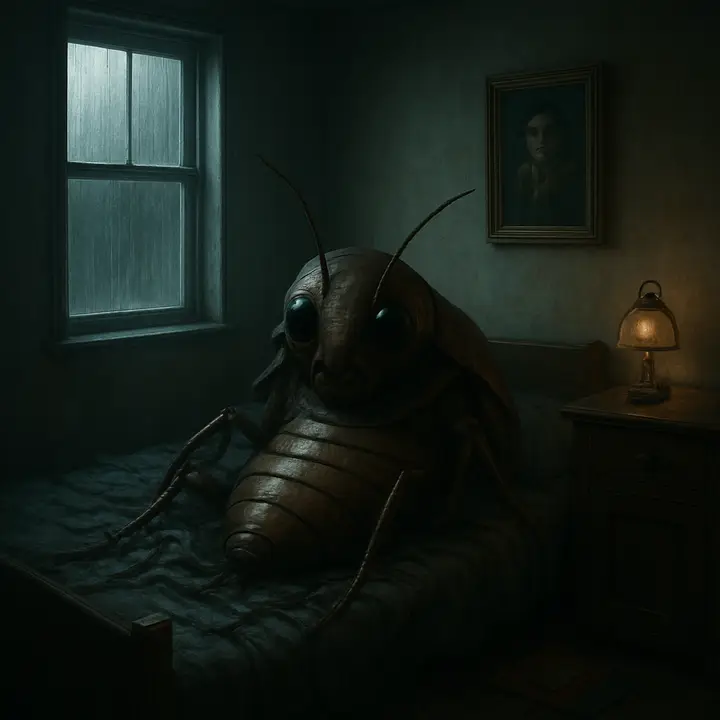
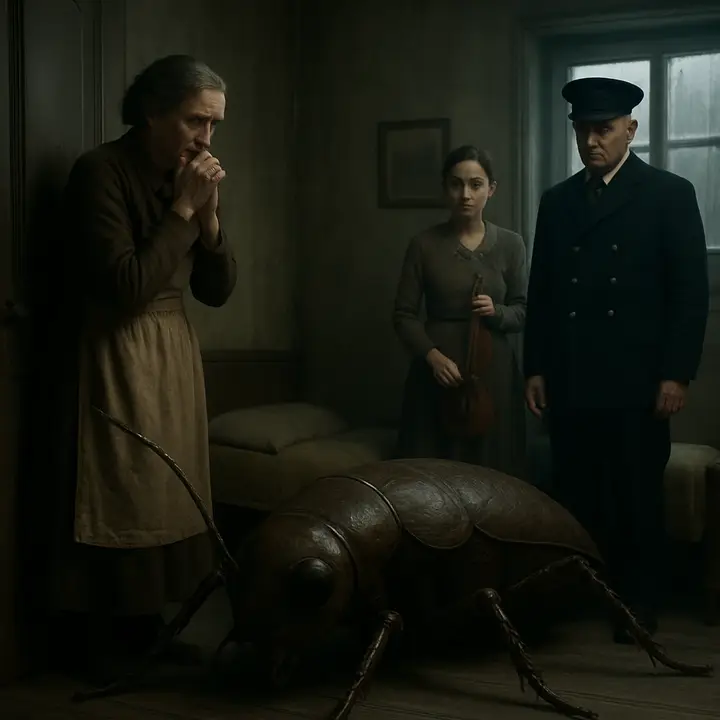
16 illustrated scenes. These appear beside the passage they depict as you read.


Themes
- Alienation & Identity
- Family & Burden
- Labor & Self-Worth
- Guilt & Transformation
- The Absurd
Why Read Metamorphosis?
The Metamorphosis is short enough to read in one sitting and strange enough to stay with you for years. Kafka never lets you settle on a single reading: the moment the allegory clicks into place, something in the story resists it, and you find yourself taking an insect in a bedroom as the most natural thing in the world.
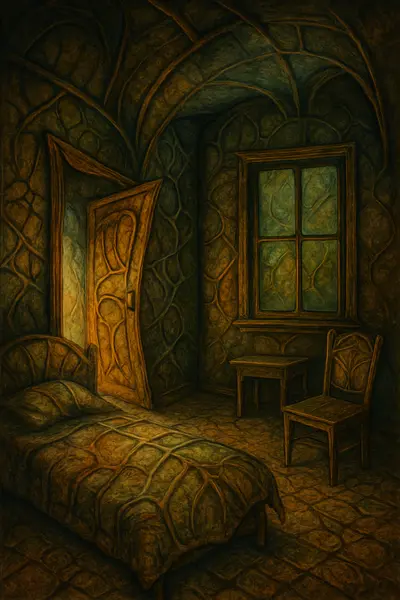
The cramped rooms and careful domestic detail of Kafka's Prague feel claustrophobic in the best possible way. Book2Life gives The Metamorphosis an unexpected visual dimension, with scene illustrations and portraits that render Gregor and his family with an unsettling, literal clarity, the kind of double vision Kafka's prose keeps demanding.
Read Metamorphosis to the last page
A voice reads along as each word lights up, every character gets a face, and a recap brings you back without spoilers. Free in your browser, on iPhone, iPad, Mac and Android.