the major in A Farewell to Arms
Major character
An officer who commands Frederic's detachment and mediates duty, camaraderie, and practical decisions at the front.
Who is the major?
The major is the senior officer at Frederic Henry's billet who oversees the ambulance detachment and the men’s day-to-day wartime work. He wants to keep the unit functioning, maintain discipline, and ensure wounded men are cared for and moved where hospitals need beds. He organizes operations (outlining attacks and evacuation plans), makes pragmatic decisions about patients’ travel and treatment, and represents military order in small-group settings. Socially he participates in mess conversations, teases and comforts subordinates, and drinks with Rinaldi and Frederic. In moments of stress—during the brickyard bombardment, at the dressing station after Frederic is wounded, and when arranging Frederic’s transfer to Milan—he combines administrative authority with a straightforward, often compassionate practicality. He balances the formal responsibilities of command with the informal bonds of comradeship in the officers’ circle.
Personality
- Practical
- He outlines the operation at the dugout before the brickyard bombardment and arranges Frederic’s transfer to Milan for better treatment.
- Authoritative
- He asks Frederic in the hospital ward whether he can travel the next day and makes decisions about moving him to free beds for the coming offensive.
- Camaraderie
- At the mess he drinks and jokes with Rinaldi and Frederic, becoming sentimental and kissing Frederic good-bye before the train trip.
- Protective
- He defends the priest at the mess when other officers tease, showing concern for his men’s feelings and reputations.
Character arc
Across his appearances the major remains a steady, managerial presence rather than undergoing a dramatic personal transformation. In the early scenes he is the desk-bound officer at the billet who participates in messroom banter, defending colleagues and joking with subordinates. When operations intensify at the brickyard he shifts to active command, outlining the plan and keeping the drivers to their tasks as bombardment threatens—demonstrating his capacity to move from convivial officer to responsible leader. After Frederic is wounded the major becomes the pragmatic administrator who navigates medical logistics: he assesses Frederic’s fitness to travel, endorses transfer to Milan for specialized care, and supports the unit’s needs by freeing front beds for the offensive. During the retreat on the Bainsizza plateau he is part of the orderly evacuation effort, helping to coordinate transport and supplies. Overall he consistently balances authority and comradeship, adapting his role to meet tactical, medical, and human needs while preserving the unit’s functioning until the end of his recorded appearances.
Relationships
- Frederic Henry Senior officer to Frederic: he oversees Frederic’s unit, counsels him in the hospital, and authorizes his transfer to Milan.
- Rinaldi Mess companion and friend: they drink, joke, and become sentimental together when saying good-bye to Frederic.
- the priest Colleague he defends at the mess, showing respect and protection against officers’ teasing.
- the captain Fellow officer at mess whose jokes and remarks form the social backdrop the major navigates and responds to.
- the drivers Subordinates he organizes and briefs before operations, responsible for their orders and welfare during bombardments and retreats.
Quotes by the major
“Jesus Christ, ain’t this a goddam war?”
Book 1, Chapter 7The ruptured soldier curses the war while explaining he worsened his hernia on purpose to avoid front-line duty, revealing soldiers' desperate self-preservation.
Why the major matters
The major embodies the novel’s pragmatic response to war: duty combined with human feeling. Through his administrative decisions—organizing operations, arranging medical transfers, and guiding evacuations—he highlights the tension between military necessity and individual care. Socially, his blend of teasing camaraderie and protective authority demonstrates how small communities of officers sustain themselves amid chaos. He therefore helps illustrate themes of responsibility, the bureaucratic realities of war, and the quiet, functional solidarity that keeps men alive and moving through violence and uncertainty.
Chapters with the major
More A Farewell to Arms characters
 Frederic HenryProtagonist
 Catherine BarkleyMajor character
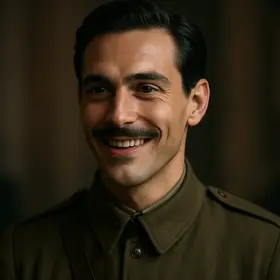 RinaldiMajor character
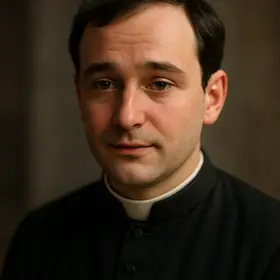 the priestMajor character
 Helen FergusonMajor character
 Miss GageMinor character
 Dr. ValentiniMajor character
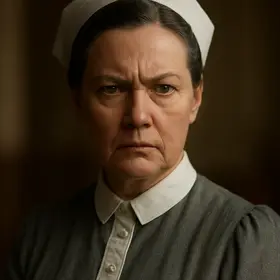 Miss Van CampenAntagonist
All chapter summaries ›Characters ›
Read A Farewell to Arms illustrated
Every scene in these notes comes from the Book2Life reader, where the full public-domain text is illustrated as you read, with character portraits and narration. Free in your browser and on iPhone.
