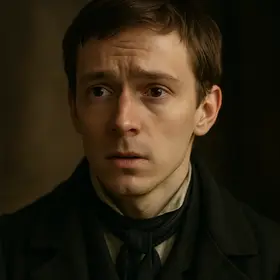
Pip in Great Expectations
Protagonist
An orphan blacksmith’s apprentice who narrates his rise, moral struggles, and eventual repentance as he becomes a gentleman.
Who is Pip?
Pip narrates his own life from a lonely, imaginative boy in the marshes to a young man with “great expectations.” Raised by his severe sister and the kindly blacksmith Joe Gargery, Pip is terrified by an early encounter with a desperate convict and later begins to feel shame about his humble origins after visits to Miss Havisham and her adopted daughter Estella. He craves gentility and distance from the forge, accepts a secret benefaction that sends him to London, and becomes entangled in legal and moral complications when his true patron — the convict Abel Magwitch — returns. Throughout, Pip vacillates between gratitude, guilt, and ambition: he benefits from Joe’s steady goodness, forms a close friendship with Herbert Pocket, and repeatedly fails to act bravely or fairly before learning hard lessons. After Magwitch’s capture and death, illness, and the collapse of his expectations, Pip repents, repairs relationships with Joe and Biddy, goes to work honestly, and returns to the place where his story began.
In the book: Pip, an orphan raised by his stern sister and the kindly blacksmith Joe Gargery, narrates the story of his own moral and social education. Drawn from humble beginnings into the orbit of wealth and gentility, he struggles with ambition, shame, and gratitude as he learns what truly constitutes worth. His perspective guides readers through the novel’s themes of class, conscience, and personal growth without relying on easy answers.
Personality
- Imaginative
- As a child he makes fanciful inferences about his dead family from the churchyard inscriptions in Chapter 1.
- Ashamed
- After his first visits to Satis House he feels deep shame about the forge and lies to inflate his experience in Chapter 9.
- Cowardly (at times)
- He admits his cowardice in Chapter 6 when he conceals the pantry theft to avoid losing Joe’s esteem.
- Conscientious (matured)
- He devotes himself to caring for the dying Magwitch in the infirmary and later repays debts honestly in Chapters 56–58.
- Loyal (eventually)
- Pip returns to Joe and Biddy, seeks forgiveness, and devotes himself to honest work after his crisis in Chapters 57–58.
Character arc
Pip begins as a wide-eyed, lonely boy whose imagination and fear shape his earliest moral responses: he steals food and a file for a terrified convict (Chapters 1–3) and then lives with shame and secrecy. Encounters at Satis House and Estella’s scorn awaken an ambition to be a gentleman that gradually erodes his gratitude for Joe and Biddy (Chapters 8–15). The discovery of a mysterious benefactor propels him to London, where he adopts manners and expenses beyond his means while remaining emotionally unsettled (Chapters 18–36). The revelation that his patron is Abel Magwitch (Chapters 39–40) collapses Pip’s romantic explanations; he is forced into moral action—hiding, planning escape, and facing physical danger—culminating in Magwitch’s capture, decline, and death (Chapters 54–56). Sickness and convalescence humble Pip (Chapters 56–57), and he returns home to repair relationships, accept a modest, honest livelihood, and reconcile with the origins he once despised (Chapters 58–59). Over the story he moves from self-absorbed aspiration to chastened responsibility and repaired human ties.
Pip in pictures
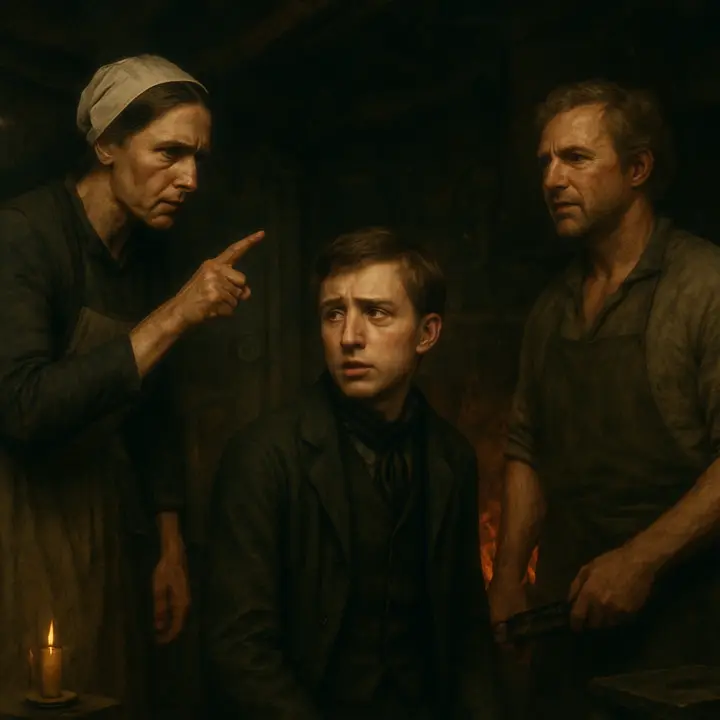
Relationships
- Joe Gargery Kind blacksmith, surrogate father and moral anchor whose patience and goodness shame and ultimately redeem Pip.
- Biddy Childhood teacher and steady confidante who tutors Pip, comforts him, and later marries Joe.
- Estella Miss Havisham’s adopted daughter and the object of Pip’s idealized love and social aspiration.
- Miss Havisham Wealthy, eccentric patron-figure whose manipulation of Estella and Pip sparks his shame and ambitions.
- Abel Magwitch The convict who becomes Pip’s secret benefactor and forces Pip to confront the moral cost of his expectations.
- Herbert Pocket Close friend, companion in London, and practical ally in schemes to protect Magwitch and later in business.
Quotes by Pip
“I mean pretty well.”
Chapter 9Pip’s stubborn, evasive reply to Mr. Pumblechook’s prying question, showing his resistance to explaining his feelings.
“I want to be a gentleman.”
Chapter 17Pip bluntly confesses on the marshes the desire that drives his dissatisfaction with home and trade.
“I love—I adore—Estella.”
Chapter 30Pip finally confesses his long-standing and intense attachment to Estella while alone with Herbert.
“I can’t help confiding in you, though I know it must be troublesome to you; but that is your fault, in having ever brought me here.”
Chapter 37Pip expresses his trust in Wemmick when asking for confidential help for Herbert, showing Pip’s reliance on private friendships rather than public channels.
“I am as sure of that, Wemmick, as you can be, and I thank you most earnestly for all your interest and friendship.”
Chapter 55Pip reassures Wemmick after Wemmick explains his role and regrets about the failed escape attempt.
“You had a child once, whom you loved and lost.”
Chapter 56Pip tells Magwitch, preparing him for a revelation about the child's survival and status, which Magwitch confirms in his final effort.
Why Pip matters
Pip embodies the novel’s examination of class, conscience, and personal growth. His yearning for social elevation exposes how shame and vanity can corrupt affections and distort moral judgment, while his eventual humility and reparative acts underline Dickens’s insistence on human duty and redemption. As narrator and protagonist, Pip frames the book’s lessons: the worth of simple goodness over gilded appearance, the painful costs of self-deception, and the possibility of moral recovery through loyalty, work, and contrition.
Chapters with Pip
- Chapter 1
- Chapter 2
- Chapter 3
- Chapter 4
- Chapter 5
- Chapter 6
- Chapter 7
- Chapter 8
- Chapter 9
- Chapter 10
- Chapter 11
- Chapter 12
- Chapter 13
- Chapter 14
- Chapter 15
- Chapter 16
- Chapter 17
- Chapter 18
- Chapter 19
- Chapter 20
- Chapter 21
- Chapter 22
- Chapter 23
- Chapter 24
- Chapter 25
- Chapter 26
- Chapter 27
- Chapter 28
- Chapter 29
- Chapter 30
- Chapter 31
- Chapter 32
- Chapter 33
- Chapter 34
- Chapter 35
- Chapter 36
- Chapter 37
- Chapter 38
- Chapter 39
- Chapter 40
- Chapter 41
- Chapter 42
- Chapter 44
- Chapter 45
- Chapter 46
- Chapter 47
- Chapter 48
- Chapter 49
- Chapter 50
- Chapter 51
- Chapter 52
- Chapter 53
- Chapter 54
- Chapter 55
- Chapter 56
- Chapter 57
- Chapter 58
- Chapter 59
More Great Expectations characters
 Joe GargeryMajor character
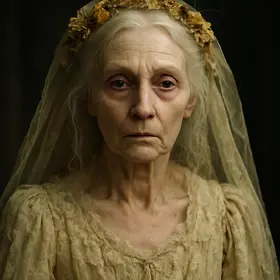 Miss HavishamMajor character
 Herbert PocketMajor character
 EstellaMajor character
 Mr. JaggersMajor character
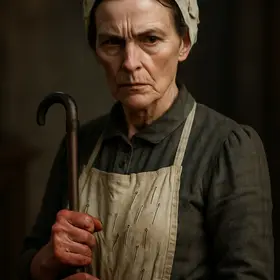 Mrs. Joe GargeryMinor character
 BiddyMajor character
 WemmickMajor character
All chapter summaries ›Characters ›
Read Great Expectations illustrated
Every scene in these notes comes from the Book2Life reader, where the full public-domain text is illustrated as you read, with character portraits and narration. Free in your browser and on iPhone.
