
John Brooke in Little Women
Major character
Meg March’s steady, modest suitor-turned-husband; a principled tutor and dependable neighbor who values duty over show.
Who is John Brooke?
John Brooke is Laurie’s tutor and a long-standing friend of the March household whose calm, practical presence quietly steadies the family. He admires Meg, treats the sisters with respectful humility, and repeatedly acts from principle rather than vanity. When Mr. March is ill John volunteers to escort Mrs. March to Washington and offers practical help during crises. He courts Meg with gentle earnestness, asking for the chance to prove himself while insisting on earning an honest living before marrying. After their engagement and marriage he becomes a hardworking husband, faces domestic strains with tact, and later participates in the communal care of Beth. As Meg’s life shifts—children, household pressures, and occasional resentments—John responds by taking on paternal authority when needed and by learning to share responsibilities, which helps restore balance in their marriage.
In the book: John Brooke is Theodore “Laurie” Laurence’s tutor and a close friend to the March family, valued for his steadiness, humility, and practical good sense. As a man of modest means and strong principles, he provides a grounded counterpoint to youthful impulses, quietly influencing the sisters—especially Meg—toward responsibility, self-respect, and mature judgment without dominating the story.
Personality
- Steady
- He volunteers to escort Mrs. March to Washington when Mr. March is ill and consistently offers calm, practical help during household crises.
- Principled
- He insists on establishing himself in honest work—choosing a book-keeper’s post rather than accepting patronage—before fully committing to marriage with Meg.
- Humble
- He approaches the Marches respectfully as Laurie’s tutor and often performs small, unostentatious services like bringing fruit for Beth.
- Patient
- When Meg’s pride and moments of thoughtlessness strain their early married life, John responds with tenderness that soothes and reconciles them.
- Responsible
- During the children’s discipline crisis he accepts an active paternal role, insisting on firm measures that succeed where indulgence failed.
Character arc
John first appears as the sensible, modest tutor and neighbor whose dependable behavior contrasts with younger, flashier characters. Early on he shows affection for Meg but restrains himself with a promise to be established before proposing; this restraint marks him as honorable and forward-thinking. He escorts Mrs. March to Washington in a family emergency and remains a quiet constant at household gatherings. His courtship of Meg moves from shy attentions to earnest asking, and they marry with small means rather than grand prospects. In married life he faces the ordinary frictions of domesticity—misunderstandings, wounded pride, and the pressures of caring for young children—but he adapts: he tightens household economy when needed, accepts responsibility for child discipline, and learns to share domestic burdens with Meg. Over time John matures into a loving partner and father whose steady, principled behavior helps sustain family equilibrium, embodying the novel’s valuation of humble duty over romantic dramatics.
Relationships
- Meg March Meg’s earnest suitor and eventual husband who courts her respectfully and shares the struggles of early married life.
- Laurie Laurie’s tutor and friend who moves in the same social circle and offers steady, adult example alongside youthful exuberance.
- Mr. Laurence Neighbor and benefactor in the circle of the March family; their households interact often at gatherings and in mutual aid.
- Marmee Trusted helper in family crises who escorts Marmee and assists the household on Mrs. March’s behalf.
- Mr. March Works under Mr. March’s pastoral authority and receives his quiet approval as a respectable, industrious son-in-law.
- Hannah Domestic ally in the Brookes’ household routines; they coordinate practical care and household management.
Quotes by John Brooke
“It was too bad to laugh at the poor little jelly-pots. Forgive me, dear, I never will again!”
Chapter 28John's penitential line after Meg kisses him and their reconciliation; it signals the end of their quarrel and restored domestic harmony.
Why John Brooke matters
John Brooke represents the novel’s moral ideal of steady, practical virtue: quiet, honorable labor, domestic responsibility, and mature love. He contrasts with romantic impulsiveness (exemplified by Laurie and some youthful folly) by showing that worthiness often resides in daily fidelity and service. Through his courtship, marriage, and later parental growth, the book argues that true happiness springs from mutual adjustment, humility, and shared work. John’s presence validates the March family’s commitment to duty and domestic affection as central, respectable aims rather than mere background details.
Chapters with John Brooke
More Little Women characters
 Jo MarchProtagonist
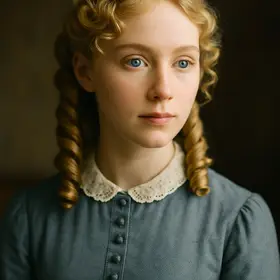 Amy MarchMajor character
 Beth MarchMajor character
 LaurieMajor character
 Meg MarchMajor character
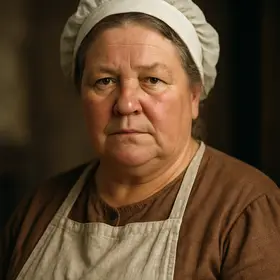 HannahMajor character
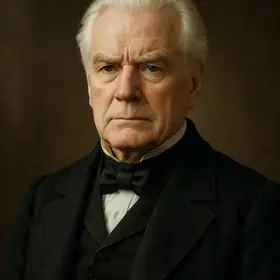 Mr. LaurenceMajor character
 MarmeeMajor character
All chapter summaries ›Characters ›
Read Little Women illustrated
Every scene in these notes comes from the Book2Life reader, where the full public-domain text is illustrated as you read, with character portraits and narration. Free in your browser and on iPhone.
