
Mary Musgrove in Persuasion
Minor character
Younger Elliot sister married to Charles Musgrove; a fretful, social woman whose demands draw Anne into the Musgroves' world.
Who is Mary Musgrove?
Mary Musgrove is the youngest Elliot sister who has married Charles Musgrove and lives at Uppercross. She frequently complains about her health and social anxieties, and her melodramatic petitions for Anne’s company and help are the practical reason Anne divides her time between Uppercross Cottage and Kellynch Lodge. Mary’s gossipy letters and lively accounts of local events (Lyme, the Crofts, Louisa and Benwick) keep Anne informed of the social scene and propel Anne into the Musgroves’ circle where crucial encounters with Captain Wentworth occur. Mary also expresses conventional hopes for advantageous matches among her nieces and cousins and is quick to judge visitors and neighbourhood slights, revealing her concern for rank and comfort. Though fond of her family, she often requires consolation after shocks—such as Louisa’s accident—and delights in domestic comforts and the prospect of advantages arising from Anne’s marriage. Her presence provides comic, social, and practical momentum in the early and middle sections of the novel.
In the book: When we first meet Mary, she’s the youngest Elliot sister who has married Charles Musgrove and settled at Uppercross, where she fusses about her health and social standing. She matters because her complaints and small dramas pull Anne into the Musgroves’ lively world, setting the stage for early visits, walks, and introductions that get the story moving.
Personality
- fretful
- Repeatedly claims to be indisposed and insists Anne remain at Uppercross to care for her (Chapter 5).
- gossipy
- Sends a long, detail-rich letter to Anne reporting the Musgroves’ doings, Louisa’s engagement to Benwick, and neighbourhood slights (Chapter 18).
- socially conscious
- Openly prefers Henrietta to secure a match that will strengthen her family’s position and comments on the Crofts and visitors in terms of propriety and rank (Chapter 9; Chapter 18).
- melodramatic
- Nearly collapses and requires consolation after Louisa’s accident at Lyme, reacting with intense theatrical distress (Chapter 12).
- consoling beneficiary
- Feels gratified and imagines advantages for herself when Anne’s marriage to Wentworth is announced, acknowledging personal benefit from the union (Chapter 24).
Character arc
Mary’s role remains fairly constant from her first appearance through the end of the novel: she opens scenes by asserting ill health or social need, and these demands repeatedly pull Anne into Musgrove life. Early on she is a preoccupation—her fussing reshapes travel plans and keeps Anne at Uppercross—while her chatter and domestic preoccupations establish the lively, intimate setting in which Anne and Wentworth’s strained reunions occur. During the Lyme crisis Mary reacts with intense distress but also takes part in the practical resolution, returning from Lyme and helping reestablish household routine. As events progress she shifts from anxious commentator to a small beneficiary of Anne’s changing fortunes: by the close she finds satisfaction in Anne’s marriage, imagining personal advantage and social improvement. Mary does not undergo a deep moral transformation; instead she moves from being a source of domestic complication to a comfortably approving relation who delights in the social and material betterment that Anne’s marriage promises.
Relationships
- Charles Musgrove Her husband; they bicker affectionately and he teases her while attending family duties (Chapters 6–13).
- Mrs. Musgrove Her mother-in-law and household head whose bustle and practical authority frame Mary’s domestic life (Chapters 6–14).
- Henrietta Musgrove Her lively sister-in-law and companion in walks and social amusements at Uppercross and Lyme (Chapters 6, 12).
- Louisa Musgrove Another sister-in-law whose accident at Lyme throws Mary into melodramatic alarm and later into gossip about engagements (Chapters 12–14).
- Anne Elliot Her sister and the practical friend she repeatedly summons to Uppercross and to aid during family crises (Chapters 5–13).
Quotes by Mary Musgrove
“I cannot possibly do without Anne,”
Chapter 5Mary insists that Anne remain at Uppercross Cottage to look after her, forcing Anne's change of plans.
“She is dead! she is dead!”
Chapter 12Mary’s frantic exclamation at Louisa’s collapse expresses the party’s immediate fear that the fall has been fatal.
“You see he cannot put the card out of his hand.”
Chapter 22Mary remarks on Captain Wentworth’s visible reaction to Elizabeth’s invitation card, drawing Anne’s anxious attention.
Why Mary Musgrove matters
Mary functions as a social engine and foil: her fussiness and appetite for gossip contrast with Anne’s restraint and moral seriousness, highlighting themes of duty, social life, and the small domestic pressures that shape choices. By drawing Anne into Uppercross, Mary helps stage the accidental, everyday encounters that make reconciliation and revelation possible. Mary’s preoccupation with comfort and advantage also underscores the novel’s attention to class, marriage, and the practical realities behind romantic choices; even as she remains limited in insight, her approval of Anne’s marriage shows how personal advancement and familial stability are intertwined in Austen’s moral universe.
Chapters with Mary Musgrove
More Persuasion characters
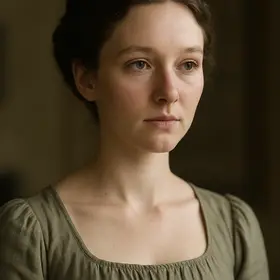 Anne ElliotProtagonist
 Captain Frederick WentworthMajor character
 Elizabeth ElliotAntagonist
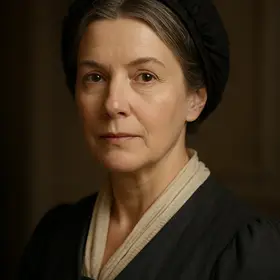 Lady RussellMajor character
 Charles MusgroveMinor character
 Henrietta MusgroveMinor character
 Louisa MusgroveMinor character
 Sir Walter ElliotAntagonist
All chapter summaries ›Characters ›
Read Persuasion illustrated
Every scene in these notes comes from the Book2Life reader, where the full public-domain text is illustrated as you read, with character portraits and narration. Free in your browser and on iPhone.
