Our approach to AI
The book comes first.
Many readers and writers have mixed feelings about AI coming near books. That’s fair, and we share some of those feelings. So here, in plain words, is what AI does in Book2Life, what it never does, and where we drew the lines.
A note from Ryan
I started Book2Life in 2024 because I love reading, and I wanted to see the worlds in my head while I read them. I’m one person, not a company with a growth target. The people who worry about AI and books are my people: readers, writers, illustrators and narrators.
Every rule on this page is built into the app. None of them is just a promise on a website. If one ever stops being true, this page will say so first. And if you think I’ve drawn a line in the wrong place, write to me. I read every message.
Ryan Temple Maker of Book2Life
The words are the author’s.
Pictures sit beside the page, a voice reads it, and answers come when you ask. AI never edits, shortens or finishes a story.
Your books stay yours.
Pictures and answers made from a book you add are private to you. Nothing you read is used to train AI, or sold.
Nothing spoils.
Answers and recaps stop at the page you’re on, and a scene’s picture stays hidden until you get there.
What AI does, and what it doesn’t
In Book2Life, AI
- Draws a scene on the page where it happens
- Gives each character a face you can come back to
- Reads aloud, with the words lighting up as you go
- Answers questions from the pages you’ve read
- Reminds you where you left off
It will never
- Rewrite, shorten or finish a book
- Write books, or pass AI text off as an author’s
- Train on your books, notes or reading
- Show pictures from your books to anyone else
- Sell or license what you read
Two shelves
Every book in Book2Life sits on one of two shelves, and the shelf decides who can see what AI makes from it.
Shared
Free classics
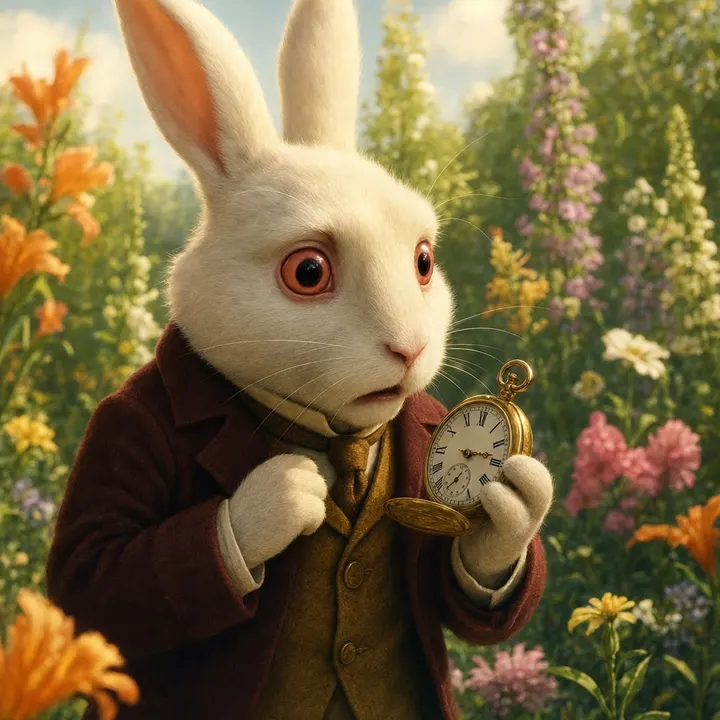
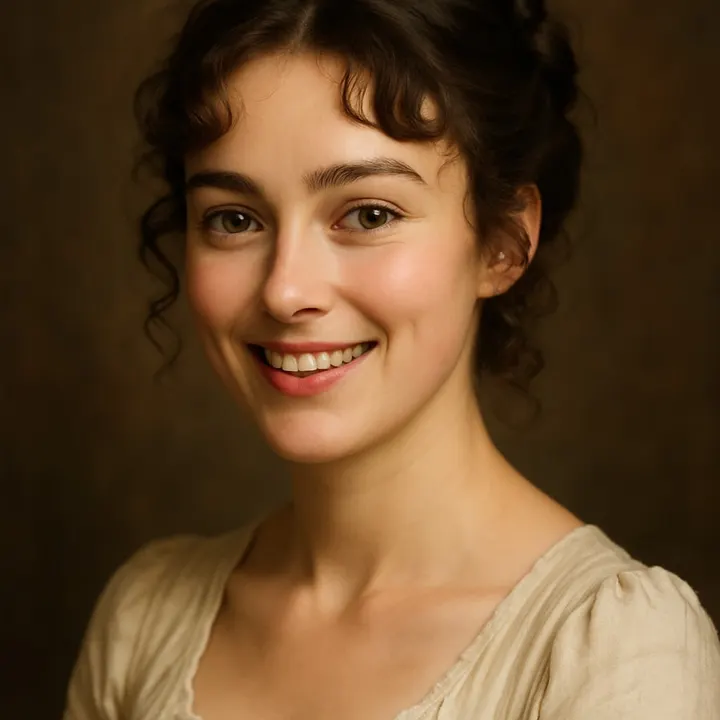
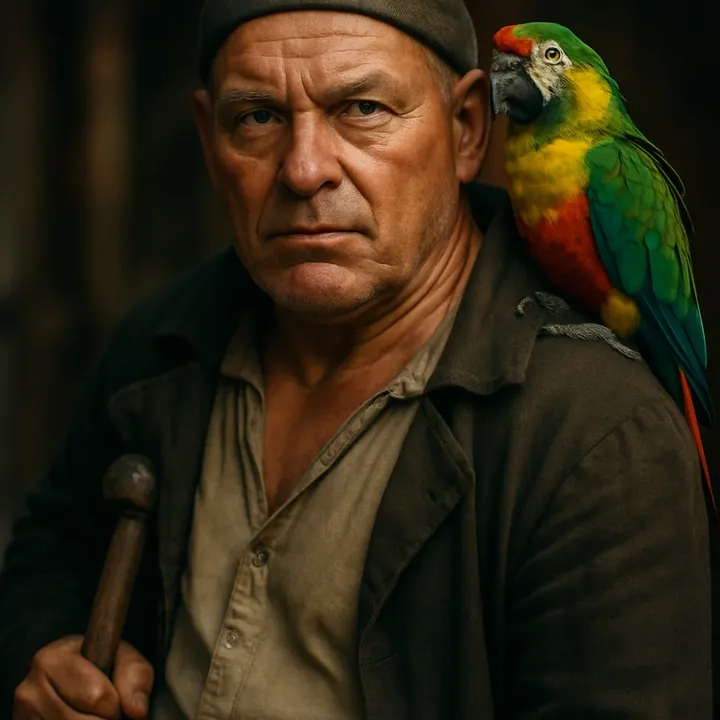
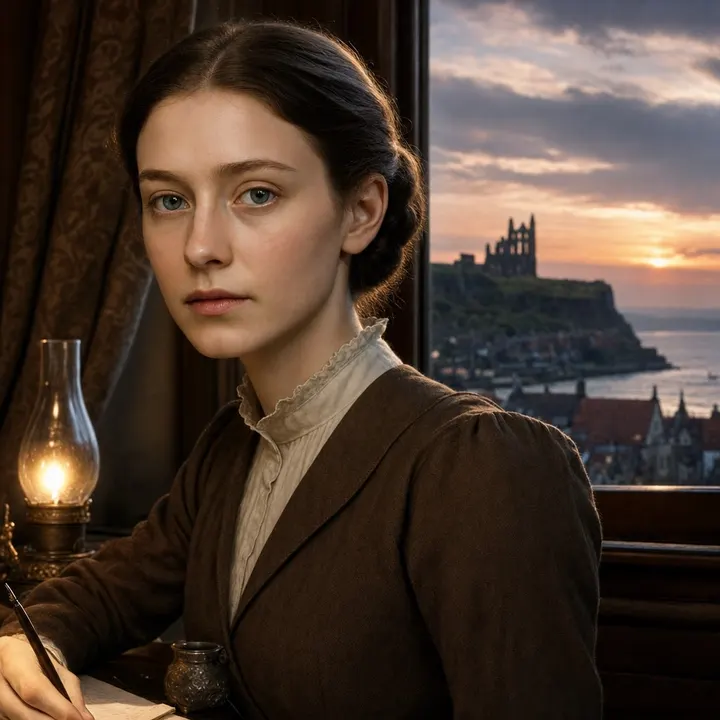
Books whose copyright has run out, like Dracula, Pride and Prejudice and The Odyssey. They belong to everyone, so their pictures and narration are made once and shared with every reader.
Private
Books you add
An EPUB you bought or wrote. Pictures, recaps and answers made from it are kept in your own space and never shown to anyone else. Another reader of the same book gets pictures of their own.
A book only goes on the shared shelf when it matches Project Gutenberg’s public-domain catalog. If there’s any doubt, it stays private.
You decide how much you want
- Use your own art. Pro readers can give any character, place or thing a picture they made themselves. It’s used exactly as drawn, and stays private.
- Flag what’s wrong. Vote down or report a picture that misses. Pictures of the classics that readers vote down are hidden and reviewed.
- A voice that stays on your device. On iPhone, iPad, Android and the web you can pick a voice that runs entirely on your device, so nothing it reads is sent anywhere.
- Delete it all. Deleting your account deletes your books and everything made from them. Only the shared pictures of public-domain classics stay, and they never identify you.
To authors, illustrators and narrators
Book2Life only exists because people write books. Pictures and voices have always made stories bigger, and we want to send readers toward your work, never around it.
- The free library is public domain only. For anything newer, readers bring a copy they own, and Book2Life won’t open a copy-protected book or help get around the protection.
- Pictures of a book still in copyright are made for one reader at a time. They’re never collected into a shared gallery or shown to anyone else.
- A reading voice isn’t a performance. If a book has an audiobook, we’d rather people hear it.
If something here worries you, or you want to talk about how your work shows up in Book2Life, please write to me.
What we’re still working out
AI gets things wrong. A face can come out unlike the way the book describes it, or a scene a little off. Each picture is checked against the text before it’s shown, and readers can flag the rest, but it isn’t perfect yet.
How image models learned is an open question. They learned from huge collections of pictures, and whether those were gathered fairly is a real, unsettled debate across the whole industry. It’s one reason we share pictures only for public-domain books, and why you can swap any picture for your own art.
Questions
Does Book2Life change or rewrite the book?
No. The text you read is the book’s own, word for word. AI adds pictures beside the page, a voice that reads it aloud, and answers when you ask a question. It never edits, shortens or finishes a story.
Is AI trained on my books?
No. We don’t train AI models on your books, your notes or your reading, and we don’t sell or license them to anyone. OpenAI, which writes answers and recaps, doesn’t train on what Book2Life sends it.
Who can see pictures made from a book I added?
Only you. For a book you add yourself, every picture, recap and answer is kept in your private space and never shown to another reader. Someone else reading the same book gets pictures of their own.
Why are pictures of the classics shared?
Public-domain books belong to everyone, so their pictures and narration are made once and shared with every reader. A book only counts as public domain when it matches Project Gutenberg’s catalog. If there’s any doubt, it stays private.
Can AI spoil the ending?
Ask the Book and recaps only use the pages you’ve already read, and a scene’s picture stays hidden until you reach it.
Can I use my own artwork instead?
Yes. Pro readers can add their own art for any character, place or thing in a book. It’s used exactly as you made it, and it stays private to you.
Is the narration meant to replace audiobooks?
No. Book2Life’s voice reads along with the text so you can follow the words as you hear them. It isn’t a performance. If a book has an audiobook narrator you love, listen to them. On iPhone, iPad, Android and the web you can pick a voice that runs entirely on your device.
What happens when a picture gets something wrong?
Vote it down or report it. Pictures of the classics that readers vote down are hidden and reviewed.
I’m an author, illustrator or narrator. Who do I talk to?
Ryan, who makes Book2Life. Email ryantempledeveloper@gmail.com and he’ll reply himself.
Tell us where we got it wrong
This page changes when the app does. Last updated November 7, 2026.