All Quiet on the Western Front Chapter 12 Summary
Autumn, Rest, Reflection
Paul, on sick leave after gas, reflects on hope, alienation, and the possibility of peace as he senses his own life ebbing.
Summary
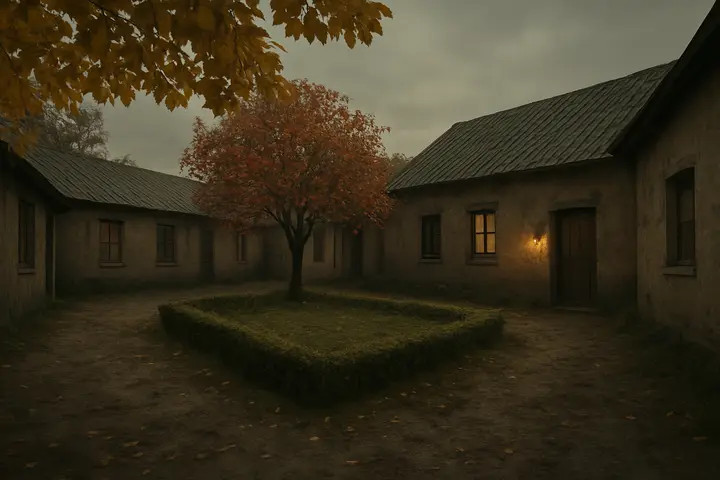
The narrator, Paul Bäumer, is on fourteen days' rest after inhaling gas and sits in a small garden in autumn, soaking up the sun and the rumours of an imminent armistice. He notices that few of the older comrades remain and that he is the last of the seven from his school class. Everyone talks of peace; hope runs high and the men await the armistice, but Paul moves through these expectations largely as sensation rather than purpose—greed of life, love of home, yearning, and intoxication at the thought of deliverance.
As Paul contemplates returning to civilian life, he alternates between longing and a bleak apprehension. He imagines that, had they come back earlier in the war with the strength of their suffering, they might have sparked change; now, however, they will return weary, rootless, and misunderstood. He foresees dislocation between generations and doubts that he and his comrades will find roles or understanding at home. At the close of the section the narrative shifts to a terse report of Paul's death: he falls in October 1918 on a very still day; the army report reduces the event to the single sentence "All quiet on the Western Front." He dies peacefully, lying forward as if asleep, with a calm expression as though relieved that the end has come.
Key events
- Paul is on fourteen days' rest after gas poisoning, sitting in a garden.
- He observes autumn and canteens buzzing with rumours of an armistice.
- Paul reflects on being the last of his school comrades and on the meaning of return.
- He imagines postwar alienation from older and younger generations.
- Narrative abruptly reports his death in October 1918 with the phrase "All quiet on the Western Front."
- Paul's body is found lying forward, appearing to have died calmly and quickly.
Chapter 12 in pictures
Analysis
This chapter functions as a meditation and elegy that brings together the novel's central themes—disillusionment, loss of belonging, and the gap between lived experience and civilian life. It compresses time: autumnal sensory detail and rumours of armistice stand beside sweeping reflections on generational rupture, reinforcing the soldier's isolation even as peace approaches. Paul’s interior voice alternates between yearning for home and a prescient sense of being superfluous; that ambivalence underscores the book’s critique of war's destructive effect not only on bodies but on identity and social integration.
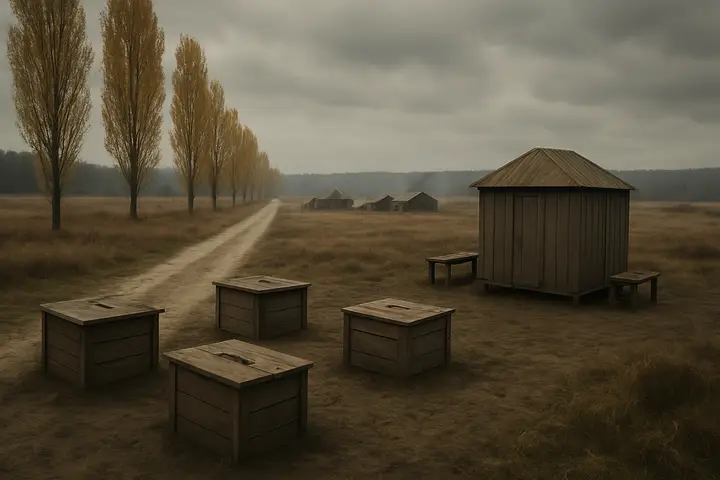
Structurally, the chapter moves from detailed present-tense observation to a sudden past-tense statement of death, which functions like a coda: the quiet, almost bureaucratic army report—"All quiet on the Western Front"—contrasts with the rich inner life previously rendered, highlighting the erasure of individual experience by official language. Symbolically, autumn and the poplars suggest decline and beauty coexisting, while the garden represents a brief, fragile respite. The narrative technique—first-person intimacy shifting to laconic reportage—creates emotional distance that intensifies the tragedy and leaves readers to reconcile Paul's reflective resignation with the abrupt finality of his death.
Important quotes
“I am the last of the seven fellows from our class.”
NarratorPaul emphasizes his isolation by noting he alone remains of his schoolmates, underscoring loss and survival.
“All that meets me, all that floods over me are but feelings—greed of life, love of home, yearning of the blood, intoxication of deliverance.”
NarratorA concentrated sentence that captures Paul's emotional state as he contemplates home, hope, and the intoxicating idea of release.
“He fell in October 1918, on a day that was so quiet and still on the whole front, that the army report confined itself to the single sentence: All quiet on the Western Front.”
NarratorThe plain, detached report of Paul's death contrasts with earlier reflection, emphasizing the banality with which individual loss is recorded.
Characters in Chapter 12
All chapter summaries ›Characters ›
Read All Quiet on the Western Front illustrated
Every scene in these notes comes from the Book2Life reader, where the full public-domain text is illustrated as you read, with character portraits and narration. Free in your browser and on iPhone.
Read All Quiet on the Western Front free
