All Quiet on the Western Front
1929 · War novel
Free to read in your browser. Public-domain edition from Project Gutenberg, illustrated as you read.
About This Book
All Quiet on the Western Front follows Paul Bäumer, a young German soldier who enlists with his classmates and is gradually consumed by life at the front. The novel opens with a company resting behind the lines, enjoying small comforts and confronting the shock of wounded comrades, and moves through training under the harsh Corporal Himmelstoss, the death of Franz Kemmerich, and the steady forging of comradeship among Paul, Katczinsky, Müller, Kropp and Tjaden. Paul’s unit endures the routines and terrors of trench warfare: night moves to lay wire, bombardments, gas alarms, raids on abandoned towns, raids on enemy trenches, and the close, intimate violence of hand-to-hand combat. Between brutal front-line engagements the men steal food, scheme against Himmelstoss, tend dying enemies, and confront the absurdity of authority and home leave that leaves Paul feeling alienated. Katczinsky emerges as Paul’s shrewd mentor; other figures such as Detering, Berger, and the wounded Kemmerich underscore the cost paid by individuals. Told in a spare, immediate voice, the book maps how war reshapes bodies and friendships and erodes belief in lofty patriotic rhetoric. It refuses heroic gloss, presenting daily detail, shock, grief and small acts of survival that together render the experience of modern industrialized war.
Characters in All Quiet on the Western Front
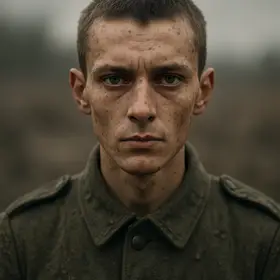 Paul BäumerPaul Bäumer is the novel’s young German infantryman and first-person narrator, whose perspective anchors the reader in the daily reality of trench warfare. Through his observations of comradeship, fear, and disillusionment, he embodies the “lost generation,” revealing how war strips away youth, ideals, and a sense of belonging. His voice gives the story its intimate, reflective tone and its critique of romanticized notions of glory.
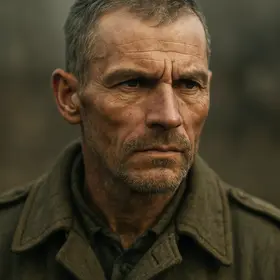 Stanislaus KatczinskyStanislaus “Kat” Katczinsky is the seasoned veteran and de facto mentor of Paul Bäumer’s group. A master scrounger with uncanny instincts for danger, he finds food, equipment, and safer positions, and teaches the younger men how to survive the trenches by reading the front and ignoring empty formalities. His resourcefulness and calm authority make him the unit’s anchor and a compelling emblem of comradeship and practical wisdom amid the war’s chaos.
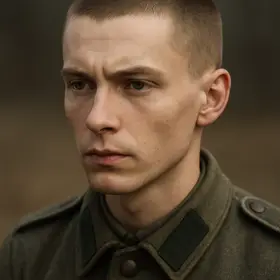 Albert KroppAlbert Kropp is one of Paul Bäumer’s former classmates and closest comrades at the front, valued for his clear thinking and sharp questioning of authority. He often articulates the group’s most incisive observations about the war’s causes and consequences, serving as a moral and intellectual touchstone among the soldiers. Through his friendship with Paul and his pragmatic outlook, he helps illuminate the disillusionment and bonds that define their generation’s experience.
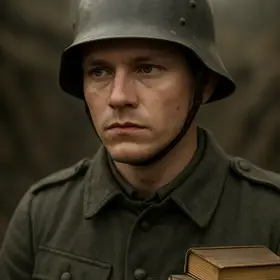 MüllerMüller is one of Paul’s former classmates and close comrades at the front. Practical, inquisitive, and a bit blunt, he clings to his schoolboy identity by carrying textbooks and peppering friends with questions about life after the war. Through him, the story contrasts youthful academic ambitions with the brutal realities of trench warfare, highlighting the dissonance between civilian expectations and soldiers’ experiences.
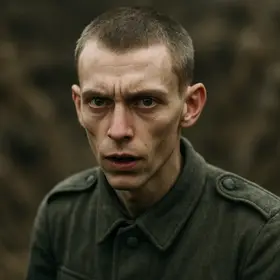 TjadenTjaden is a former locksmith and one of Paul Bäumer’s comrades in the Second Company, known for his huge appetite, sharp tongue, and irreverent humor. He embodies the ordinary working-class soldier ground down by training and trench life, and his bitter feud with the disciplinarian Himmelstoss highlights the novel’s critique of petty authority. Through Tjaden, the story balances grim realism with flashes of comic relief while revealing how war degrades dignity and comradeship becomes a lifeline.
 Haie WesthusHaie Westhus is one of Paul Bäumer’s closest comrades, a working‑class giant whose strength, earthy humor, and practicality embody the frontline camaraderie that sustains the soldiers. Formerly a peat‑digger, he offers blunt observations about army life versus hard labor and serves as a grounded, loyal presence within the squad, highlighting the novel’s themes of fellowship and the everyday humanity of ordinary soldiers under extraordinary strain.
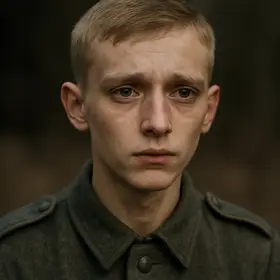 Franz KemmerichFranz Kemmerich is one of Paul Bäumer’s former schoolmates and a young German infantryman whose experiences early in the narrative crystallize the novel’s themes of lost youth, comradeship, and the grinding dehumanization of modern war. Through his vulnerability and Paul’s concern for him, the story reveals how quickly innocence is stripped away at the front and how impersonal systems overshadow individual lives.
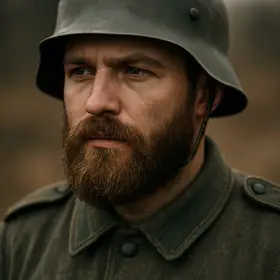 LeerLeer is one of Paul Bäumer’s former schoolmates and closest comrades at the front, notable for his confident, worldly attitude—especially his preoccupation with women—and for projecting an air of maturity among the group. Through his bravado and camaraderie, he helps show how schoolboys are thrust into soldiering and how their swagger masks vulnerability and the grinding realities of trench warfare.
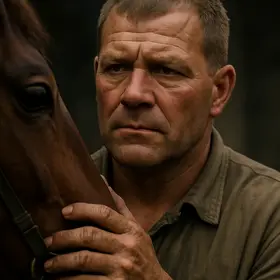 DeteringDetering is a peasant farmer serving alongside Paul, whose fierce love of his home, wife, and animals—particularly horses—embodies the soldiers’ yearning for the lives they left behind. His compassion and homesickness contrast with the brutal machinery of the front, reinforcing the novel’s themes of lost normalcy and the dehumanizing effects of war.
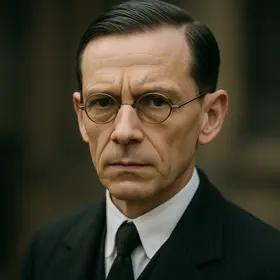 KantorekKantorek is the boys’ former schoolmaster who fervently urges his students to enlist, embodying the patriotic zeal and authoritative pressure that drive naïve youth to the front. His presence highlights the gap between idealistic rhetoric at home and the brutal reality of war, making him a key symbol of misguided authority and generational betrayal without being a front‑line participant.
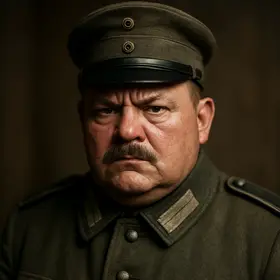 Corporal HimmelstossCorporal Himmelstoss is the recruits’ drill instructor, a former postman who revels in petty authority and harsh discipline. His bullying methods and obsession with regulations profoundly shape the young soldiers’ early experience of the army, making him a symbol of the dehumanizing pettiness of military bureaucracy. Later encounters complicate—but do not erase—the impression of a small man inflated by power.
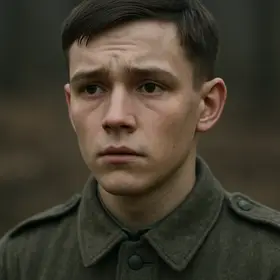 Josef BehmJosef Behm is one of Paul Bäumer’s former classmates, remembered chiefly for being hesitant to enlist and for how authority figures pressured him and his peers into volunteering. His brief presence and what happens to him at the front become the group’s first harsh lesson about the gap between patriotic rhetoric and the grim reality of war, shaping Paul’s disillusionment and the novel’s anti-war message.
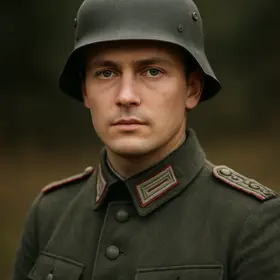 Lieutenant BertinckLieutenant Bertinck is the company commander over Paul Bäumer and his comrades, notable for fair, protective leadership that contrasts with harsher authority figures. He advocates for his men (such as in disputes over rations), shares their dangers at the front, and earns genuine respect through courage and decency rather than intimidation.
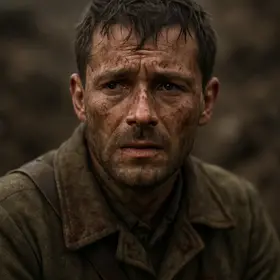 Gerard DuvalGérard Duval is a French typesetter-turned-soldier whom Paul meets at an intimate, harrowing moment in No Man’s Land; learning his civilian identity and family circumstances forces Paul to confront the shared humanity of the enemy and the moral cost of the war, shaping one of the novel’s most reflective passages.
Study guide
Summaries and analysis of all 13 chapters, and profiles of 14 characters, illustrated with scenes from the book.
All Quiet on the Western Front summary ›All Quiet on the Western Front characters ›
Themes
- Comradeship
- War's futility
- Loss of innocence
- Alienation
- Authority and obedience
Why Read All Quiet on the Western Front?
Reading this novel today offers an unvarnished account of combat’s physical and psychological toll, one grounded in close observation rather than ideology. Remarque’s focus on the quotidian — the search for food, the patching of a wound, the small consolations among men — makes the abstract costs of war tangible and immediate, and keeps the perspective intimate and human.
The book also prompts reflection on how institutions, rhetoric and routine shape young lives. Its characters are recognizably modern: inexperienced recruits trained into machines, veterans improvising survival, and civilians unable to comprehend what front-line men endure. For readers curious about history, ethics, or the persistent human consequences of armed conflict, this novel remains a clear, urgent entry point.
Experience All Quiet on the Western Front on Book2Life
Read with AI-generated visuals, character portraits, audio narration, smart summaries, and more — free in your browser and on iPhone.