All Quiet on the Western Front Chapter 3 Summary
Reinforcements and Revenge
Paul and his comrades meet new recruits; Katczinsky provides food; they recall barrack life and enact revenge on Himmelstoss.
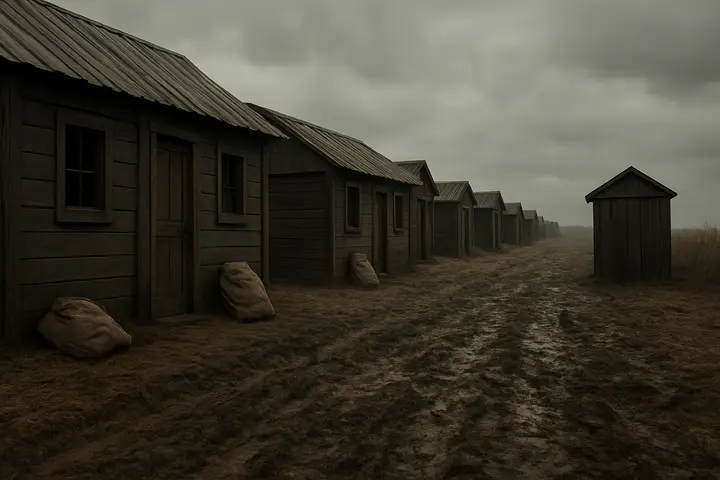
Summary
Paul Bäumer and his small group of front-line comrades receive a batch of reinforcements — younger men from a later draft — who arrive to fill vacancies in their huts. The veterans swagger a little as they inspect the newcomers; Katczinsky engages one recruit with food and quickly reveals a tub of beef-and-bean stew he has acquired through barter. Kat organizes a quick, practical cook-up of horseflesh, producing bread and a hot meal that brings immediate relief and admiration from the group. The scene highlights Katczinsky's uncanny ability to procure necessities in lean circumstances and establishes his practical leadership among the men.
The men settle on the sunny side of the hut and talk: they mock ceremony and drill, debate the corrupting effects of authority, and reminisce about barrack routines and pranks. The conversation moves from humour — anecdotes about saluting, drill and a downed aeroplane — to a fuller critique of how military rank breeds petty cruelty. Tjaden bursts in with news that their former drill-sergeant Himmelstoss is coming to the front. The narrative then flashes back to the group's successful nocturnal revenge on Himmelstoss in the barrack-yard: they ambush and beat him using a bed-cover, cushions and coordinated blows, a retribution for his past humiliations (notably the bullying of bed-wetters). The chapter closes with the memory of that evening’s satisfaction and their sense of being 'young heroes' for having executed the revenge, juxtaposing camaraderie and small-scale justice against the larger absurdities of military life.
Key events
- New reinforcements arrive and are inspected by the veterans.
- Katczinsky reveals and shares a hidden stew of beef and beans and bread.
- Kat organizes roasting and boiling of horseflesh; men eat together.
- Group debates drill, authority, and the corrupting effect of rank.
- Tjaden announces Himmelstoss is coming to the front.
- Flashback: the men's nocturnal ambush and beating of Himmelstoss.
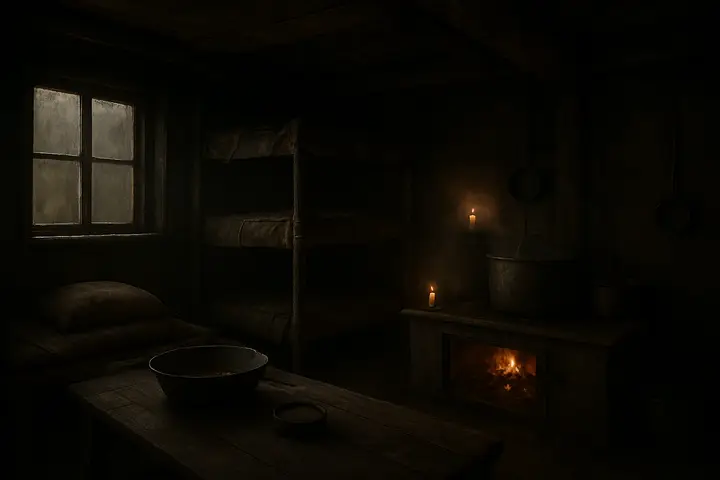
Chapter 3 in pictures
Analysis
This chapter deepens the novel’s focus on camaraderie, survival, and the corrosive effects of military authority. Katczinsky functions as the practical heart of the group: his knack for finding food and comfort underlines the theme that informal skill and solidarity matter more than official rank at the front. The hot meal episode both humanizes the soldiers and emphasizes how essentials — food, warmth, shelter — determine mood and morale. The conversation about saluting and drill develops a central critique: authority within the army encourages petty cruelty and absurdity, turning ordinary men into tormentors once given power. Kat’s extended speech on how the army amplifies basic human tendencies into institutionalized domination ties personal anecdotes to systemic criticism.
Structurally, the chapter alternates between present action (inspection, meal, conversation) and a vivid flashback (the revenge on Himmelstoss), reinforcing memory as a form of resistance and bonding. Humor, food, and shared stories function as refuges from the front’s hardships while also exposing moral ambiguities — the group's violent revenge is experienced as justified camaraderie rather than moral transgression. Narrative technique mixes direct dialogue, scene description, and reflective commentary by the narrator (Paul), keeping the focalization close to the men's perspectives and preserving the immediacy of front-line life. Symbols such as the stolen bread, the bed-cover, and the frying-pan stand for resourcefulness, retribution, and the soldiers’ ability to create makeshift order amid chaos.
Important quotes
“Seen the infants?”
KroppKropp's mocking question as the veterans inspect the younger reinforcements and assert their seniority.
“Give 'em all the same grub and all the same pay And the war would be over and done in a day.”
KatczinskyKat states his egalitarian, sardonic solution to military injustice during the men's conversation about rank and discipline.
“You see, we are losing the war because we can salute too well,”
KatczinskyA biting, ironic remark that launches the group's discussion of ceremony, obedience, and the absurdity of military hierarchy.
Characters in Chapter 3
All chapter summaries ›Characters ›
Read All Quiet on the Western Front illustrated
Every scene in these notes comes from the Book2Life reader, where the full public-domain text is illustrated as you read, with character portraits and narration. Free in your browser and on iPhone.
Read All Quiet on the Western Front free
