Crime and Punishment Chapter 3 Summary
waking, letter, decision
Raskolnikov wakes ill and brooding, receives a long letter from his mother announcing Dounia’s return and marriage plans, and storms out into the street.
Summary
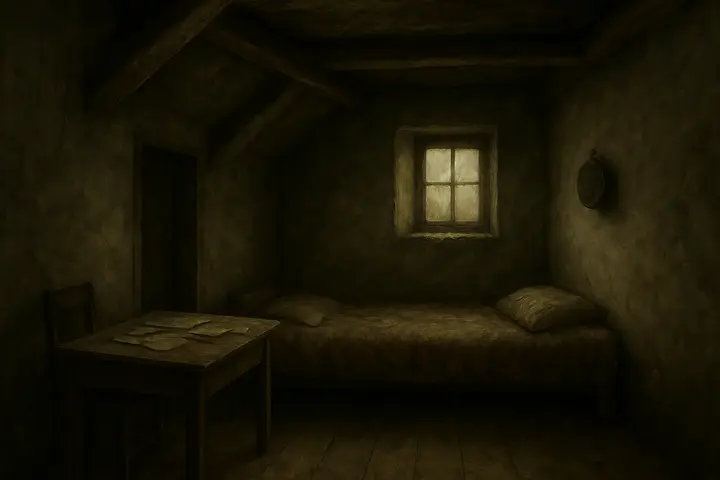
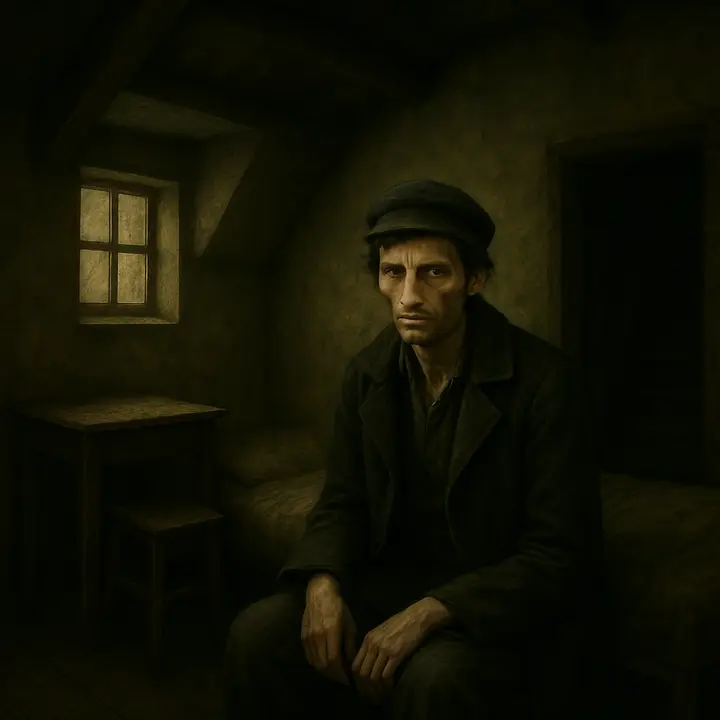
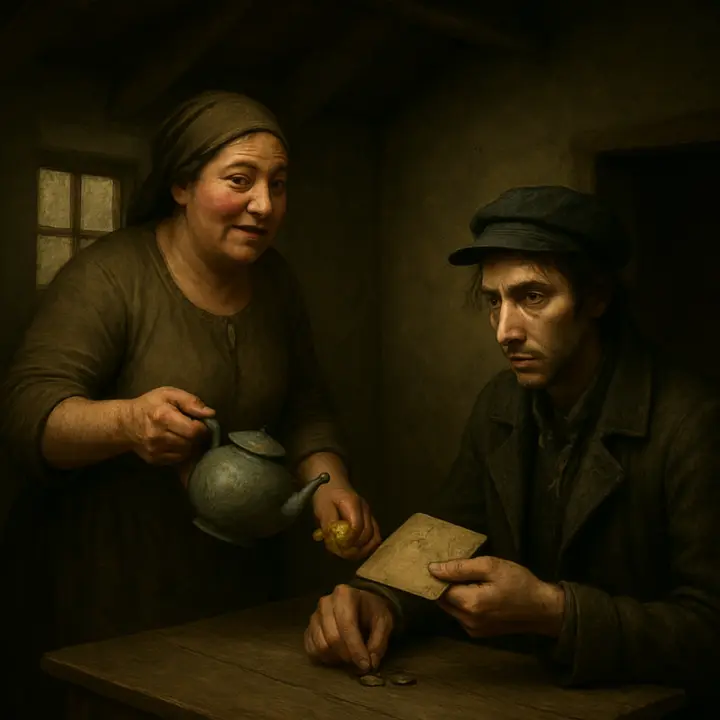
Raskolnikov wakes after a troubled sleep in his tiny, shabby room, feeling bilious, irritable and withdrawn. His landlady’s servant, Nastasya, brings him tea and later soup; she complains that the landlady, Praskovya Pavlovna, threatens to complain about unpaid rent. Raskolnikov answers sullenly and insists he has been "thinking" rather than working. When Nastasya mentions a letter, he grows abruptly excited; the letter is from his mother.
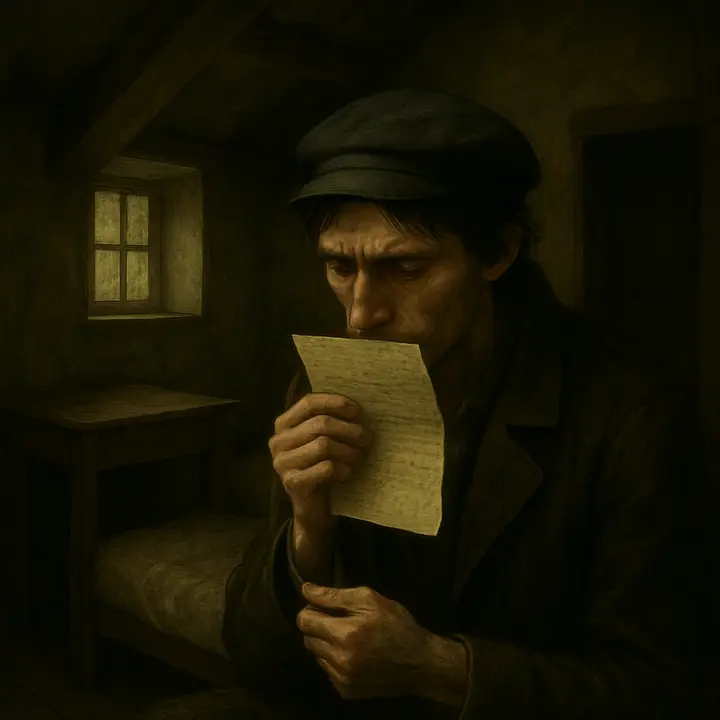
The letter from Pulcheria (Pulcheria Alexandrovna Raskolnikova) is long and full of family news: Avdotya (Dounia) has returned to their town after a scandal in the Svidrigaïlov household, her reputation vindicated, and she has accepted a marriage proposal from Pyotr Petrovitch Luzhin. Pulcheria explains the circumstances — the debt, the household quarrel, Marfa Petrovna’s public recriminations and eventual repentance, the decisive letter proving Dounia’s innocence, and the social rehabilitation that followed. Pulcheria describes Luzhin as a respectable, practical man who might be able to help Rodion’s prospects in Petersburg; she and Dounia plan to travel to Petersburg very soon and hope to send some money. As Rodion reads, he weeps, then grows pale and hostile; after a long internal struggle he leaves the cramped room and walks toward Vassilyevsky Ostrov, muttering aloud and attracting attention.
Key events
- Raskolnikov wakes in his tiny, disorderly room feeling ill and irritable.
- Nastasya brings tea and soup, mentions the landlady’s complaints, and tells him a letter arrived.
- He receives and reads a long letter from his mother, Pulcheria, announcing Dounia’s return.
- Letter recounts Dounia’s scandal at the Svidrigaïlov household and her vindication.
- Pulcheria reports Dounia’s engagement to Pyotr Petrovitch Luzhin and plans to move to Petersburg.
- Raskolnikov reacts with tears and then a bitter smile; he leaves the room and walks out muttering.
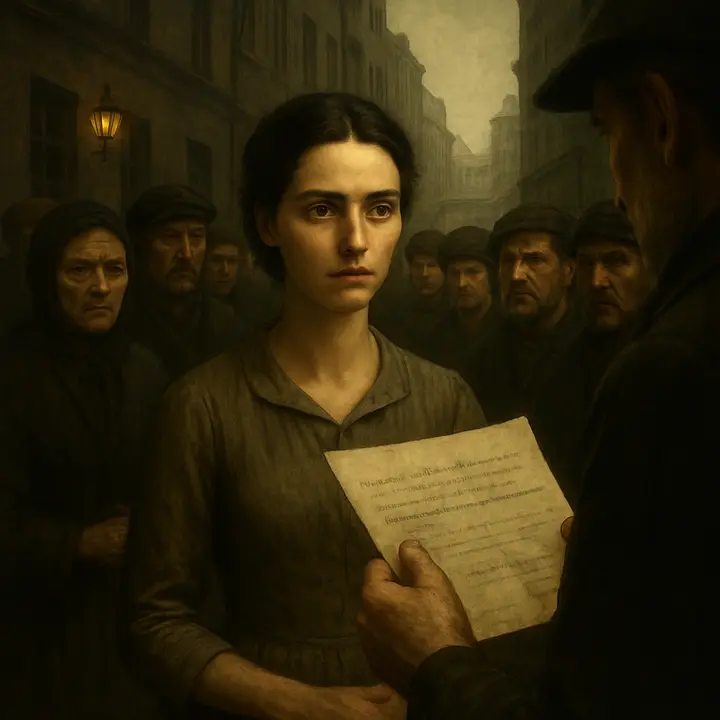
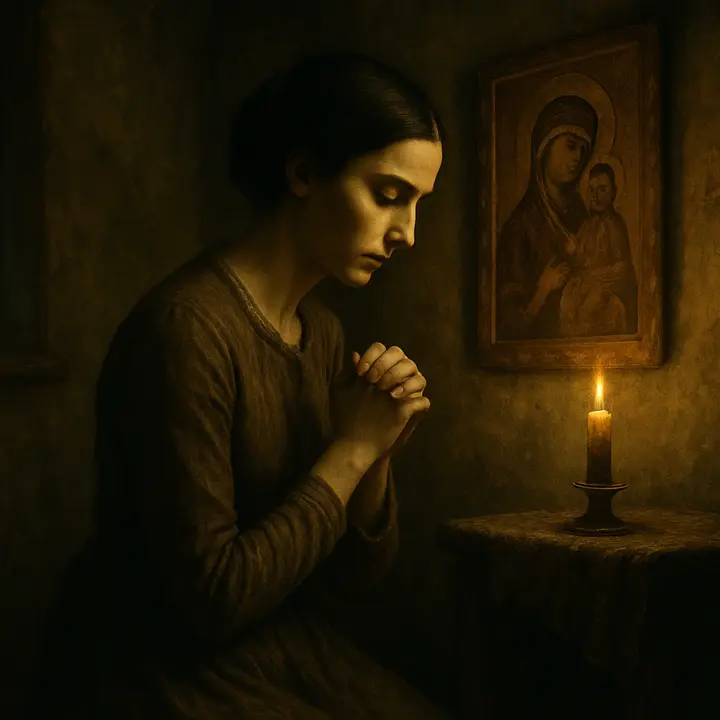
Chapter 3 in pictures
Analysis
This chapter shifts the novel from interior chaos to external social pressure by bringing family news into Raskolnikov’s cramped private world. The physical description of the room — low, yellowed, cramped — mirrors Raskolnikov’s psychological confinement and isolation. Nastasya’s blunt domesticity and the landlady’s looming complaint emphasize his detachment from ordinary obligations. The long maternal letter functions as an expository device: it supplies necessary backstory about Avdotya, Svidrigaïlov’s conduct, and Luzhin’s character while revealing family hopes and economic motives that press upon Raskolnikov.
Narratively, the letter contrasts public social order (scandal, reputation, marriage, financial solution) with Rodion’s inner turmoil and aloof intellectualism. Pulcheria’s maternal voice and practical worries highlight values of familial duty, respectability, and survival — values that clash with Raskolnikov’s proud isolation and philosophical preoccupations. The chapter foreshadows conflict between social solutions (marriage, patronage) and Raskolnikov’s need for autonomy; Luzhin is introduced as a pragmatic force who may reshape the siblings’ fortunes and thereby impinge on Raskolnikov’s choices. Symbolically, the cramped room and the letter’s promise of movement to Petersburg underline themes of space, constraint, escape, and the pressure to conform to social expedients. The narrative technique—shifting from close, atmospheric description to a long epistolary passage—both informs and intensifies Raskolnikov’s crisis, closing the chapter with his restless, conspicuous walk through the streets that signals volatility and impending action.
Important quotes
“He waked up late next day after a broken sleep.”
NarratorThe chapter opens by showing Raskolnikov’s physical and mental malaise in his cramped, neglected room.
““My dear Rodya,” wrote his mother—“it’s two months since I last had a talk with you by letter which has distressed me and even kept me awake at night, thinking.”
Pulcheria Alexandrovna RaskolnikovaThe letter begins Pulcheria’s long, affectionate account that delivers the chapter’s key family news about Dounia and Luzhin.
“Almost from the first, while he read the letter, Raskolnikov’s face was wet with tears; but when he finished it, his face was pale and distorted and a bitter, wrathful and malignant smile was on his lips.”
NarratorThis sentence captures Raskolnikov’s intense, conflicted emotional response to his mother’s letter and the pressure it represents.
Characters in Chapter 3
- Rodion Romanovich Raskolnikov
- Nastasya Petrovna
- Praskovya Pavlovna
- Pulcheria Alexandrovna Raskolnikova
- Avdotya Romanovna Raskolnikova
- Pyotr Petrovich Luzhin
- Mr. Svidrigaïlov
- Marfa Petrovna
- Vassily Ivanovitch Vahrushin
- Afanasy Ivanovitch
All chapter summaries ›Characters ›
Read Crime and Punishment illustrated
Every scene in these notes comes from the Book2Life reader, where the full public-domain text is illustrated as you read, with character portraits and narration. Free in your browser and on iPhone.
Read Crime and Punishment free
