Don Quixote The Author’s Preface Summary
Author’s Preface to Part II
The author replies to a spurious second Don Quixote, defends his honour and patrons, offers two comic madman anecdotes, and promises forthcoming works.
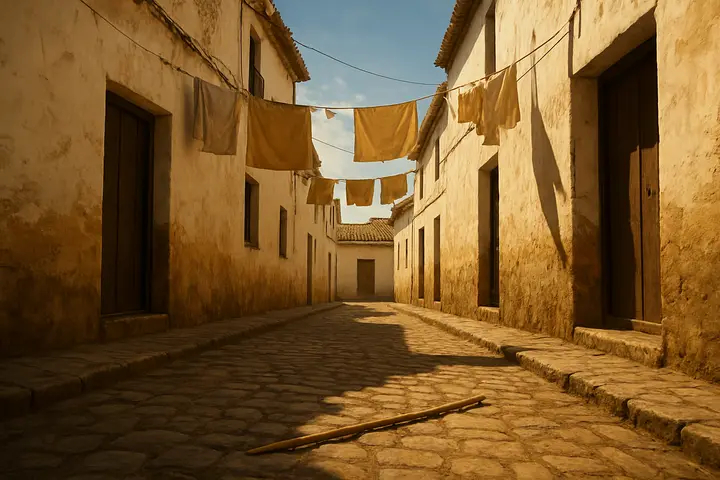
Summary
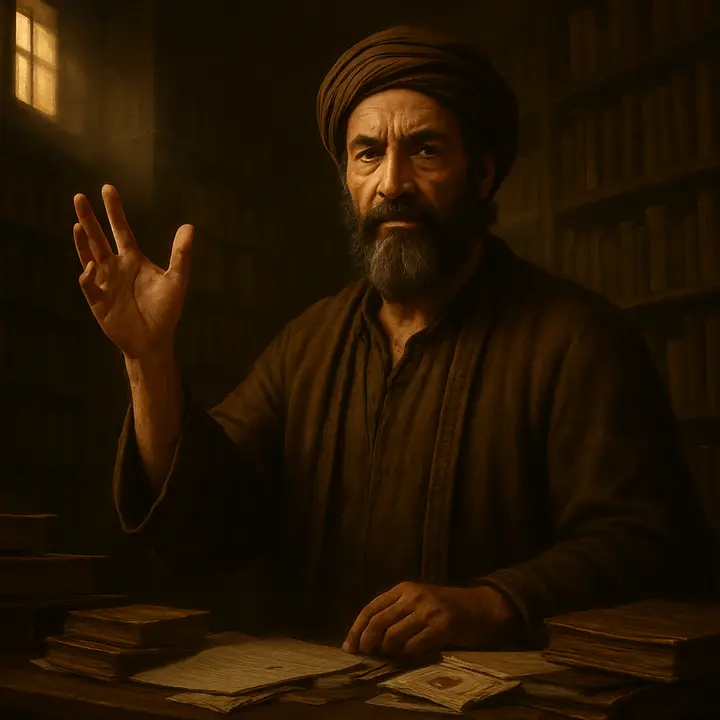
Anxious to avoid a quarrel, the author opens by addressing a reader who expects a sharp rebuttal to the anonymous writer of a so-called second Don Quixote. He refuses to indulge in name-calling, though he objects to certain personal slurs—accusations about his age, his lost hand, and alleged envy—and insists those wounds are honourable marks gained in a noble cause. He argues that age often sharpens the understanding and that the loss of his hand is not shameful but borne in a worthy context.
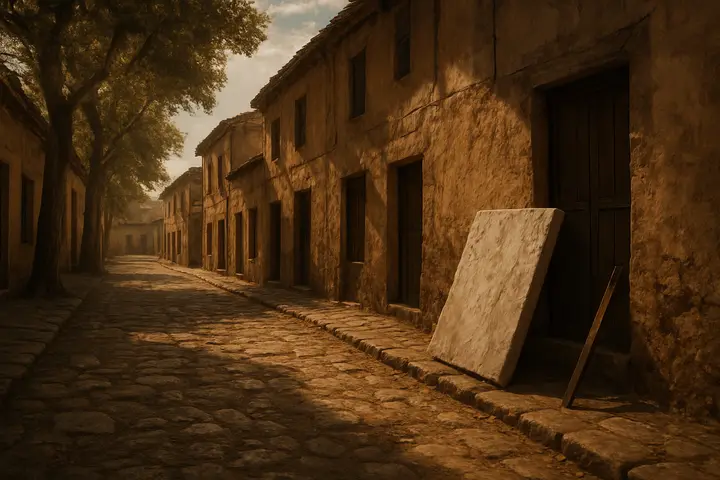
To ridicule the would-be rival without direct attack, the author tells two comic anecdotes about madmen who torment dogs: one who inflates a dog with a reed and another who threatens dogs with falling stones. These tales function as fables aimed at showing the folly of attempting to publish a book for fame and profit without merit. He also dismisses the supposed threat that the rival’s book will deprive him of livelihood, praising instead the real patrons who support him—specifically the Conde de Lemos and Don Bernardo de Sandoval y Rojas—and insisting that honour and virtue attract protection even in poverty. He closes by assuring readers that this Second Part is cut from the same cloth as the First, that it continues Don Quixote’s story to its end, and that other works (the Persiles and a Second Part of Galatea) are in progress.
Key events
- Author refuses to retaliate against the anonymous second Don Quixote's insults.
- He objects to personal slurs about age, a missing hand, and charges of envy.
- Two madman-and-dog anecdotes ridicule poor writers who think fame is easy.
- Author rejects the threat to his livelihood and praises his noble patrons.
- He promises the Second Part continues Don Quixote and notes other works coming.
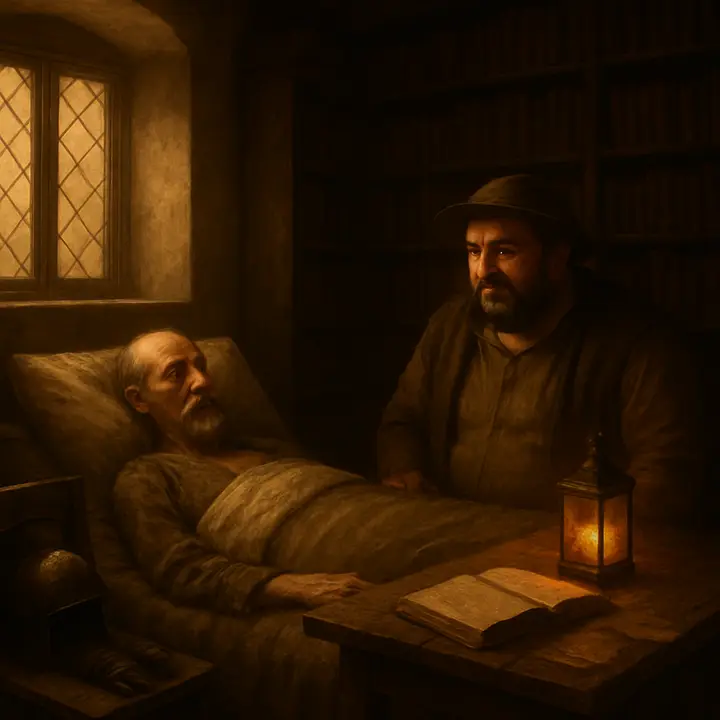
The Author’s Preface in pictures
Analysis
This preface establishes the authorial voice that frames the Second Part: conciliatory but witty, self-defensive yet ironic. By refusing a direct attack on his rival while offering comic parallels (the madmen and dogs), the narrator models a rhetorical restraint that undercuts the opponent more effectively than abuse would. The personal remarks about age and his lost hand humanize the author and invite readers to judge him by experience and honour rather than petty slanders; they also emphasize themes of reputation, honour, and the relation between personal suffering and literary authority. Praising real patrons (Conde de Lemos and Don Bernardo) performs a political and social move that locates the author within protective networks of nobility, underscoring how literature depends on patronage and social standing.
Structurally, the preface performs several functions: it deflects controversy, it teases the narrative promise of the Second Part, and it manages reader expectations by asserting continuity with the First Part. The madman anecdotes operate as allegories for literary ambition and vanity—foreshadowing recurring questions in the novel about madness, authorship, and imitation—while the narrator’s ironic modesty signals a self-conscious narrative persona who mixes sincerity with playful manipulation. The promise of further works also situates the text commercially and artistically, reminding readers that the book participates in a living market and in a broader literary career.
Important quotes
“I am not going to give thee that satisfaction; for, though injuries stir up anger in humbler breasts, in mine the rule must admit of an exception.”
NarratorDeclares refusal to answer the anonymous rival with invective, introducing a tone of measured irony.
“Does your worship think now, that it is an easy thing to write a book?”
NarratorKey rhetorical question that introduces the two anecdotes mocking presumptuous, ill-judged writers.
“this Second Part of “Don Quixote” which I offer thee is cut by the same craftsman and from the same cloth as the First, and that in it I present thee Don Quixote continued, and at length dead and buried,”
NarratorPromises continuity with the First Part and signals that the narrative will carry Don Quixote to its final resolution.
Characters in The Author’s Preface
- Author of the second Don Quixote
- Mingo Revulgo
- Conde de Lemos
- Don Bernardo de Sandoval y Rojas
- Don Quixote
All chapter summaries ›Characters ›
Read Don Quixote illustrated
Every scene in these notes comes from the Book2Life reader, where the full public-domain text is illustrated as you read, with character portraits and narration. Free in your browser and on iPhone.
