Don Quixote Chapter 1 Summary
Curate and Barber's Visit
The curate and the barber visit Don Quixote to test his reason and debate knight-errant ideals while a barber tells a cautionary madhouse tale.
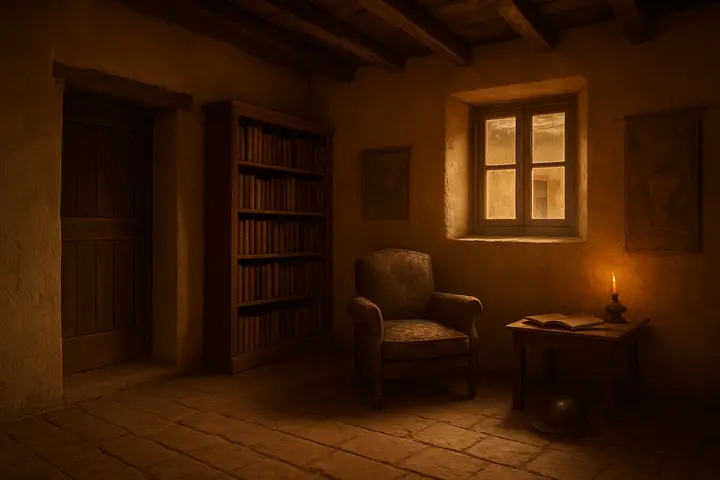
Summary
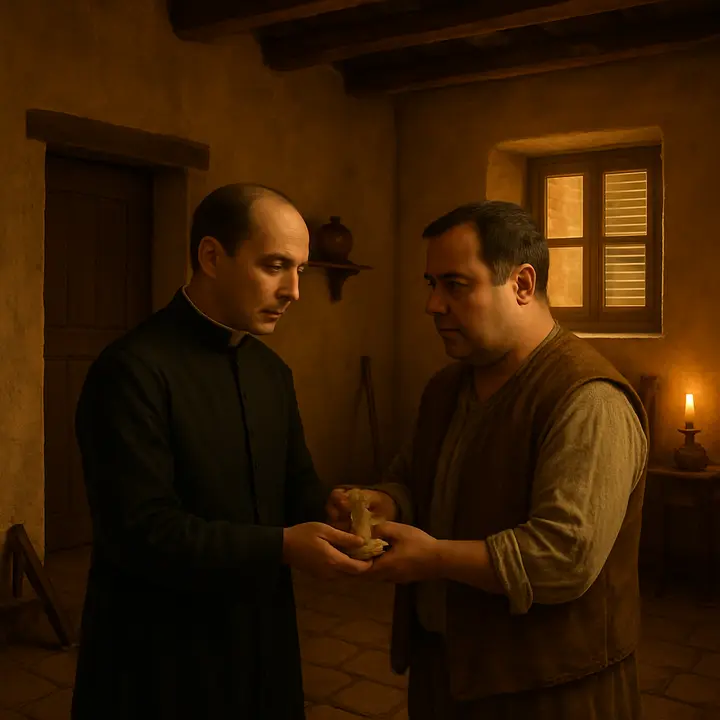
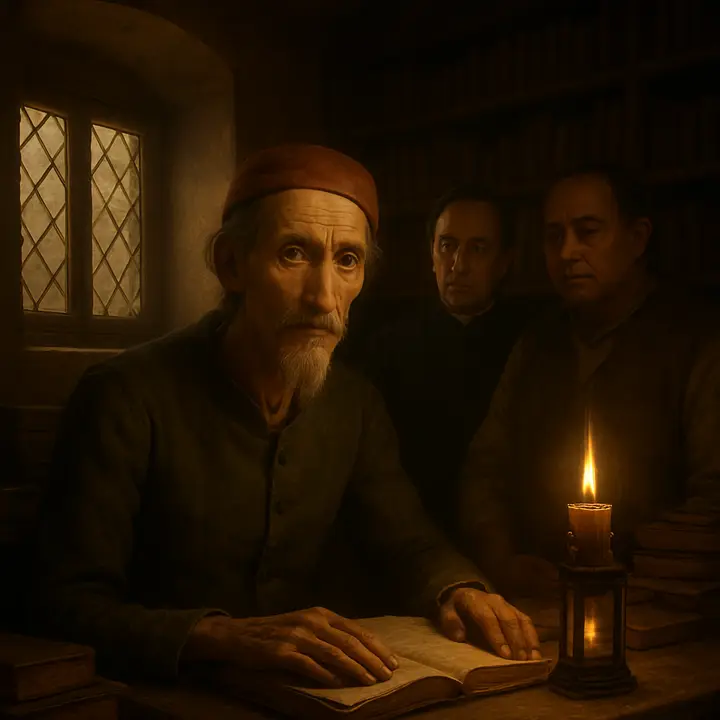
The chapter opens with the narrator (Cide Hamete Benengeli) explaining that the curate and the barber have kept away from Don Quixote for almost a month to avoid rekindling his madness, while continuing to direct his niece and housekeeper to care for him. Feeling reassured that their removal of him to the country has had a restorative effect, they decide to visit and assess his recovery. They find Don Quixote thin, alert, and conversant; in a long conversation about government and public affairs he speaks with surprising sense, convincing the visitors that he may have regained his reason.
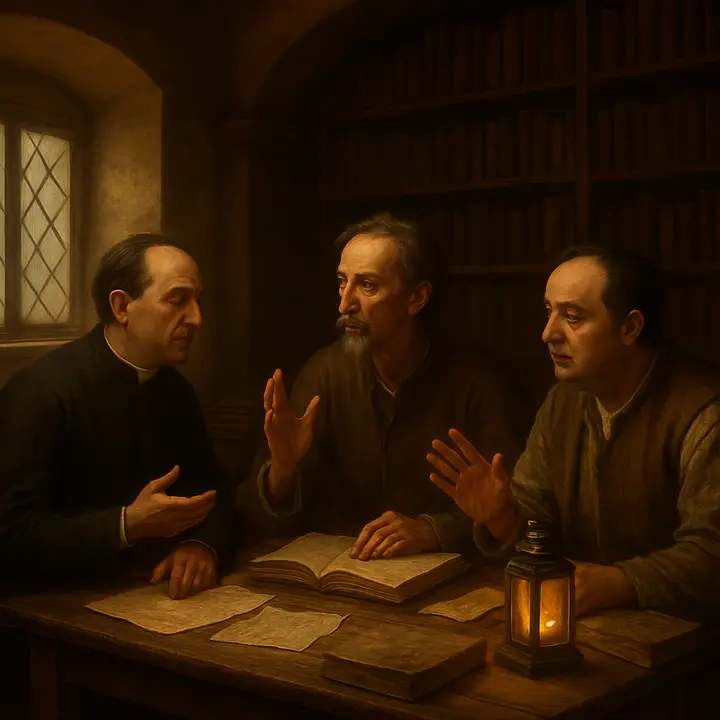
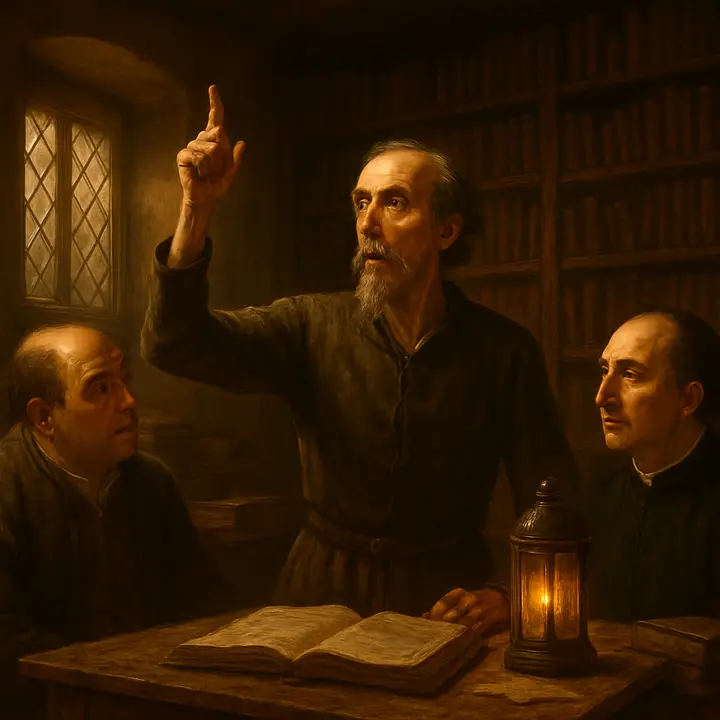
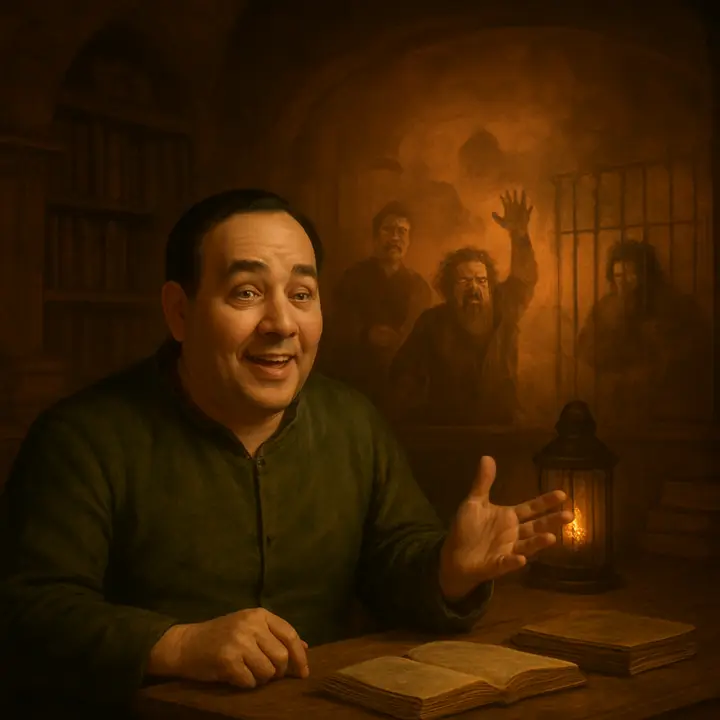
The curate, however, resolves to probe more deeply and slips the topic toward knight-errantry by asking about current news and military precautions. Don Quixote offers to advise the king on confronting the Turk, then launches into a passionate defense of the old order of knights-errant, claiming their virtues and recounting famous names from chivalric romance. The barber interrupts with a long anecdote from a Seville madhouse about a licentiate who appears sane until pride and circumstance expose him as still mad; the story functions as a parable about appearances, authority, and self-deception. Don Quixote insists knights of old were real and essential, offers fanciful physical descriptions of legendary heroes, and debates whether giants existed. The chapter ends with an interruption as the niece and housekeeper cry out from the courtyard, drawing the men from the room and punctuating the scene with domestic concern that contrasts the lofty chivalric talk.
Key events
- Curate and barber wait nearly a month before visiting Don Quixote.
- They find Don Quixote sitting up, coherent and arguing about statecraft.
- Curate tests him by shifting the subject toward the Turk and military matters.
- Don Quixote proposes an improbable chivalric remedy and extols knights-errant.
- The barber relates a long madhouse story about a licentiate who seems sane.
- Don Quixote defends the literal reality of chivalric heroes and their virtues; household noises interrupt the scene.
Chapter 1 in pictures
Analysis
This chapter functions as a diagnostic scene: it stages a formal test of Don Quixote’s mental state while juxtaposing pragmatic social voices (the curate and barber) with Quixote’s anachronistic rhetoric. Cervantes uses conversational shifts—politics to military dread to chivalric nostalgia—to reveal how Don Quixote frames contemporary problems through the logic of romance. The barber’s madhouse tale works as a mirror and counterpoint: it dramatizes how outward signs of reason can deceive and how institutional power (governors, archbishops) negotiates sanity. The tale’s moral about appearance, self-deception, and social interest foreshadows recurring questions about truth and fiction in the novel.
Stylistically, the chapter blends direct narration with reported dialogue and learned allusion: Don Quixote’s catalog of knights names many figures from chivalric tradition, demonstrating his immersive reading-world and establishing the cultural debt that drives his actions. The curate’s scepticism and the barber’s pragmatic humour provide a moderating force and a proto-critical readership within the text. The domestic interruption (niece and housekeeper calling) closes the scene by reminding readers of the ordinary social world that contains and reacts to Quixote’s fantasies. Overall, the chapter consolidates themes of madness versus reason, the authority of texts and stories, and the social cost of living by obsolete ideals.
Important quotes
“A knight-errant I shall die, and let the Turk come down or go up when he likes, and in as strong force as he can, once more I say, God knows what I mean.”
Don QuixoteDon Quixote insists he will remain a knight-errant despite the threat of the Turk, revealing his commitment to chivalric identity.
“Is it, pray, any new thing for a single knight-errant to demolish an army of two hundred thousand men, as if they all had but one throat or were made of sugar paste?”
Don QuixoteDon Quixote defends the plausibility and power of knights-errant by invoking exaggerated feats from chivalric romance.
Characters in Chapter 1
- Cide Hamete Benengeli
- The Barber
- The Priest
- Don Quixote
- the niece
- the housekeeper
- the Turk
- Don Belianis
- Amadis of Gaul
- Morgante
- Goliath
- Reinaldos of Montalban
- Roland
- Rotolando
- Orlando
- Angelica
- Medoro
- Ariosto
- Sacripante
- Palmerin of England
- Tirante el Blanco
- Lisuarte of Greece
- Don Cirongilio of Thrace
- Rodamonte
- Perion of Gaul
- Felixmarte of Hircania
- Esplandian
- Ruggiero
- Turpin
- Master Basin
All chapter summaries ›Characters ›
Read Don Quixote illustrated
Every scene in these notes comes from the Book2Life reader, where the full public-domain text is illustrated as you read, with character portraits and narration. Free in your browser and on iPhone.
