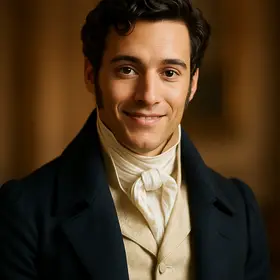
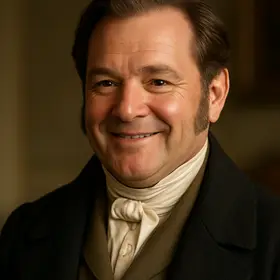
Frank Churchill in Emma
Major character
Mr. Weston’s son, raised by the Churchills, charming, sociable, and the centre of several Highbury intrigues and a secret engagement.
Who is Frank Churchill?
Frank Churchill arrives from Enscombe as the long-anticipated, well-bred, and lively son of Mr. Weston. He delights Highbury with easy sociability, playful flirtation, and a gift for directing attention—especially toward Emma, Jane Fairfax, and the planning of dances and parties. His presence sparks local excitement: he instigates the Crown Inn plan for the Randalls ball, leads dances, and becomes a favourite guest who lightens household anxieties. Yet beneath the brightness, Frank conceals a long-standing secret engagement to Jane Fairfax, which explains some of his furtive behaviour. His actions range from gallant rescues (seeing Harriet safely after the gipsy encounter) to thoughtless gaiety (improvident visits to London, teasing at Box Hill). When Mrs. Churchill’s illness and death shift family circumstances, Frank’s long concealment comes into the open in a letter and subsequent reconciliatory explanations. His confession forces others—especially Emma—to reassess their judgments and to confront the social and emotional consequences of his mix of charm and indiscretion.
In the book: When we first meet him, he’s Mr. Weston’s long-talked-of son at last paying a visit to Highbury, raised in wealth and comfort by his Churchill relations. He’s sociable, gallant, and a bit theatrical—in the best party-guest way—so his arrival kicks up excitement, compliments, and dancing, and everyone wants a moment of his attention.
Personality
- affable
- He arrives at Randalls and immediately wins praise by praising the house, the country, and Mrs. Weston, making himself agreeable at tea and on walks.
- theatrical
- He fusses theatrically over Mrs. Bates’s spectacles and the pianoforte leg, contriving small flourishes that draw attention in the Bateses’ sitting-room.
- restless
- He often appears hurried and only stays briefly—on one visit to Hartfield he is in high spirits but remains for only a quarter of an hour before making other calls.
- secretive
- He conceals a year-long engagement to Jane Fairfax, explaining later in a long letter why it had to be hidden and how it produced misunderstandings.
- inconsiderate
- His banter at Box Hill and flirtatious teasing of Jane and others leads Mr. Knightley to condemn his thoughtlessness and Emma to feel mortified.
Character arc
Frank enters Highbury as an admired, lively nephew of the Churchills whose charm quickly makes him a central figure in social plans—dances, balls, and local gossip. Early on he appears the quintessential pleasant guest: attentive, amusing, and eager to be involved in local entertainments. His impulsive departures (to London for trivial reasons) and public flirtations create discomfort for more thoughtful observers like Mr. Knightley and sow seeds of suspicion about his attachments. A hurried departure to tend family illness halts his bright presence and intimates deeper family constraints. The turning point is the revelation of his long-secret engagement to Jane Fairfax: what had been read as flirtation and levity is reframed as concealment motivated by necessity. He writes an explanatory letter acknowledging his faults, apologizing for thoughtlessness (notably at Box Hill), and seeking forgiveness. By the end he moves from a figure of charming irresponsibility to one who must face the moral consequences of secrecy and to restore trust through frank explanation and reconciliation with Jane and the Westons.
Relationships
- Mr Weston His father, proud and hopeful about Frank’s visits and social prospects.
- Mrs Weston Stepmother figure and close family friend who delights in Frank’s attention and helps mediate his visits.
- Jane Fairfax Secretly and long-affianced to her; their hidden engagement explains much of his furtive behaviour.
- Emma Woodhouse A chief recipient of his flirtatious attentions and social play; Emma misreads and reassesses his conduct after his letter.
- Mr Knightley A moral critic of Frank’s thoughtlessness who expresses disapproval and protects others from his indiscretions.
- Harriet Smith An incidental beneficiary of Frank’s heroism when he escorts her home after the gipsy alarm, though she is not his object of courtship.
Quotes by Frank Churchill
“Why had not Miss Woodhouse revived the former good old days of the room?—She who could do any thing in Highbury!”
Chapter 6Frank’s mock-exaggeration flatters Emma and reveals his lively desire to promote social amusements in the village.
“I was just going to mention it. A very successful visit:—I saw all the three ladies; and felt very much obliged to you for your preparatory hint.”
Chapter 6Frank reports his unintended long visit with the Bates ladies and thanks Emma for advising him how to manage them.
“I have the pleasure, madam, (to Mrs. Bates,) of restoring your spectacles, healed for the present.”
Chapter 10Frank theatrically presents the mended spectacles to Mrs. Bates, performing helpfulness and charm in front of the company.
“Ten couple may stand here very well.”
Chapter 11Frank optimistically insists the smaller room can hold far more dancers than seems reasonable, showing his eagerness to continue the ball.
“A crowd in a little room—Miss Woodhouse, you have the art of giving pictures in a few words. Exquisite, quite exquisite!”
Chapter 11Frank compliments Emma’s phrase while simultaneously arguing against her practical objection to dancing in a cramped space, mixing flattery with persistence.
“Of all horrid things, leave-taking is the worst.”
Chapter 12Frank expresses his distress at having to depart abruptly, showing how much he values his recent time in Highbury.
Why Frank Churchill matters
Frank embodies the novel’s tension between surface charm and moral responsibility. His sociability and ease facilitate social pleasures—dancing, parties, and lively conversation—yet his secrecy and thoughtlessness expose how appearances can mislead a community. His conduct forces other characters, especially Emma, to confront their own vanity, judgments, and the consequences of meddling. The uncovering of his engagement reframes social flirtation as potentially harmful and advances themes of honesty, forgiveness, and maturation within Highbury’s moral economy.
Chapters with Frank Churchill
- Chapter 2
- Chapter 11
- Chapter 12
- Chapter 14
- Chapter 15
- Chapter 16
- Chapter 2
- Chapter 3
- Chapter 5
- Chapter 6
- Chapter 7
- Chapter 8
- Chapter 9
- Chapter 10
- Chapter 11
- Chapter 12
- Chapter 13
- Chapter 16
- Chapter 17
- Chapter 18
- Chapter 1
- Chapter 2
- Chapter 3
- Chapter 4
- Chapter 5
- Chapter 6
- Chapter 7
- Chapter 8
- Chapter 9
- Chapter 10
- Chapter 11
- Chapter 12
- Chapter 13
- Chapter 14
- Chapter 15
- Chapter 17
- Chapter 18
- Chapter 19
More Emma characters
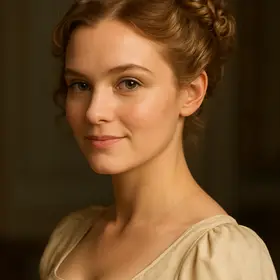 Emma WoodhouseProtagonist
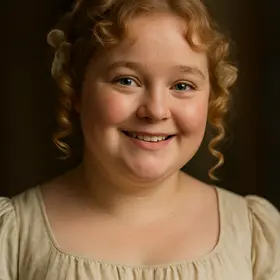 Harriet SmithMajor character
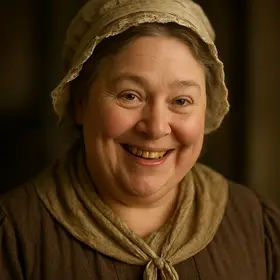 Miss BatesMajor character
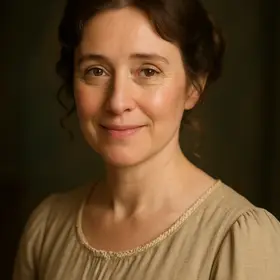 Mrs WestonMajor character
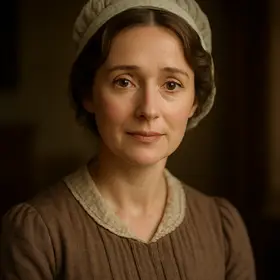 Isabella KnightleyMajor character
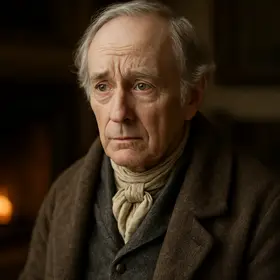 Mr WoodhouseMajor character
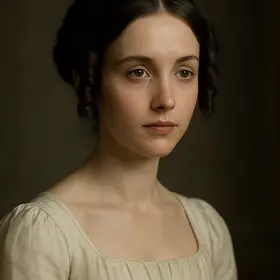 Jane FairfaxMajor character
 Mr WestonMajor character
All chapter summaries ›Characters ›
Read Emma illustrated
Every scene in these notes comes from the Book2Life reader, where the full public-domain text is illustrated as you read, with character portraits and narration. Free in your browser and on iPhone.
