
Emma Woodhouse in Emma
Protagonist
A wealthy, clever young woman of Hartfield who delights in matchmaking and rules Highbury society with confidence.
Who is Emma Woodhouse?
Emma Woodhouse is the privileged, nearly twenty-one mistress of Hartfield, beloved by her hypochondriac father and long accustomed to independence after Miss Taylor’s departure. She wants to be useful and admired, channeling her energy into arranging others’ lives—most notably cultivating Harriet Smith as a suitable companion and prospective match. Over the course of the narrative she initiates courtships, plans entertainments (including the Randalls ball and local dances), and navigates the social comings and goings of Highbury: Mr. Elton’s presumptuous proposal, Frank Churchill’s flirtations and secret engagement, Jane Fairfax’s precarious prospects, and the arrival and counsel of Mr. Knightley. Emma acts out of vanity, benevolence, and a conviction in her own judgment; when her schemes misfire—especially in encouraging Harriet and in the Box Hill indiscretion—she faces mortification and resolves to change. Her practical ties to family and status (especially Mr. Woodhouse’s dependence) shape nearly every choice she makes.
In the book: When we first meet her, Emma Woodhouse is the cherished, capable daughter of a wealthy household at Hartfield, comfortably ruling the social scene of Highbury while minding her anxious father. Fresh from celebrating her former governess Miss Taylor’s marriage, she’s brimming with confidence in her matchmaking talents and quickly takes the sweet, impressionable Harriet Smith under her wing. She’s witty, charming, and a bit too sure of her own judgment—qualities everyone around her, especially Mr. Knightley, knows well.
Personality
- Matchmaking
- She immediately takes Harriet Smith under her wing and engineers sittings, charades, and introductions to promote a match with Mr. Elton (Chapters 3–7).
- Confident
- After Miss Taylor’s marriage she boasts of having ‘made the match’ and plans further social manoeuvres, inviting Mr. Elton and arranging company (Chapter 1).
- Vanity
- She is mortified and self-reproachful after Mr. Elton’s declaration to her and after Knightley’s reproach at Box Hill, showing how wounded her pride becomes (Chapters 15, 7 Box Hill).
- Affectionate
- She cares tenderly for her father’s anxieties and devotes herself to comforting Harriet after the Elton episode (Chapters 1, 17).
- Reflective (capable of change)
- Following Knightley’s rebuke and the Box Hill incident she broods, seeks to atone by visiting Miss Bates, and resolves to amend her behaviour (Chapters 7–8 Box Hill).
Character arc
Emma begins as a self-assured, somewhat spoiled arbiter of Highbury social life, delighted in her power to arrange others’ romances and confident that her judgment is sound. Her early success in placing Miss Taylor and her immediate plans for Harriet establish her role as a social director, but a series of reversals—Mr. Elton’s unexpected proposal to her, the humiliation of encouraging Harriet’s misplaced hopes, Frank Churchill’s flirtations and secret engagement, and especially Knightley’s public reproach over her insult to Miss Bates at Box Hill—force Emma into painful self-examination. She experiences acute mortification and guilt, takes tangible steps to console those she has hurt (notably Harriet and Miss Bates), and reads and judges Frank’s explanatory letter with more measured charity. Through these events she discovers her deeper feelings for Mr. Knightley, recognizes the damage of her meddling, and learns humility. By the end she is transformed from presumptuous matchmaker into a more self-aware partner who balances affection for her father with a genuine, reciprocal engagement to Mr. Knightley and a renewed sympathy for others.
Relationships
- Mr. Knightley Longtime family friend, moral critic, and eventual romantic partner who challenges Emma and protects her growth.
- Harriet Smith A grateful, impressionable protegée whose attachment Emma encourages and thereafter nurses through disappointment and recovery.
- Mr. Woodhouse Emma’s hypochondriac, indulgent father whose dependence and anxieties shape Emma’s choices and tether her to Hartfield.
- Mrs. Weston Former governess and close friend whose marriage and counsel influence Emma and provide both example and gentle rebuke.
- Mr. Elton A local vicar whose presumptuous courtship and shocking declaration to Emma expose her misreadings and precipitate Harriet’s heartbreak.
- Jane Fairfax A reserved, accomplished young woman whom Emma misjudges and later pities when Jane’s constrained prospects and secret engagement are revealed.
Quotes by Emma Woodhouse
“He is very plain, undoubtedly—remarkably plain:—but that is nothing compared with his entire want of gentility.”
Chapter 4Emma’s judgmental assessment of Robert Martin after meeting him, revealing her value placed on manners and social polish.
“I am glad you think I have been useful to her; but Harriet only wanted drawing out, and receiving a few, very few hints.”
Chapter 6Emma modestly describes her role in improving Harriet’s manners while accepting praise from Mr. Elton.
“I lay it down as a general rule, Harriet, that if a woman doubts as to whether she should accept a man or not, she certainly ought to refuse him.”
Chapter 7Emma formulates the decisive rule that she uses to push Harriet toward refusal, revealing her persuasive influence.
“There is so pointed, and so particular a meaning in this compliment," said she, "that I cannot have a doubt as to Mr. Elton’s intentions.”
Chapter 9Emma explicitly interprets the charade as a declaration toward Harriet, revealing her eagerness to arrange a match and her confidence in reading social signs.
“There it is. There go you and your riddle-book one of these days.”
Chapter 10Emma points out the Vicarage and teases Harriet about visiting, signaling curiosity about the vicarage and Mr. Elton.
“I am not only, not going to be married, at present, but have very little intention of ever marrying at all.”
Chapter 10Emma declares her philosophical aversion to marriage, explaining her preference for independence and control over household importance.
Why Emma Woodhouse matters
Emma embodies themes of social class, the limits of benevolence untempered by self-awareness, and the moral education of the individual. Her privileged position lets her shape the town’s social fabric, illustrating how good intentions combined with vanity can harm those less secure. Her gradual recognition of error—sparked by Knightley’s reproach and the consequences of her meddling—demonstrates the novel’s emphasis on humility, personal growth, and the value of sincere sympathy over theatrical benevolence. Her final pairing with Mr. Knightley reconciles affection with responsibility and endorses a matured, domestic prudence that balances individual desire with community bonds.
Chapters with Emma Woodhouse
- Chapter 1
- Chapter 2
- Chapter 3
- Chapter 4
- Chapter 5
- Chapter 6
- Chapter 7
- Chapter 8
- Chapter 9
- Chapter 10
- Chapter 11
- Chapter 12
- Chapter 13
- Chapter 14
- Chapter 15
- Chapter 16
- Chapter 17
- Chapter 18
- Chapter 1
- Chapter 2
- Chapter 3
- Chapter 4
- Chapter 5
- Chapter 6
- Chapter 7
- Chapter 8
- Chapter 9
- Chapter 10
- Chapter 11
- Chapter 12
- Chapter 13
- Chapter 14
- Chapter 15
- Chapter 16
- Chapter 17
- Chapter 18
- Chapter 1
- Chapter 2
- Chapter 3
- Chapter 4
- Chapter 5
- Chapter 6
- Chapter 7
- Chapter 8
- Chapter 9
- Chapter 10
- Chapter 11
- Chapter 12
- Chapter 13
- Chapter 14
- Chapter 15
- Chapter 16
- Chapter 17
- Chapter 18
- Chapter 19
More Emma characters
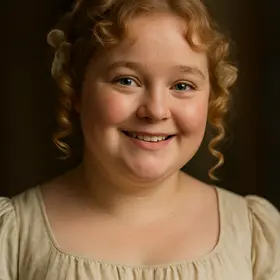 Harriet SmithMajor character
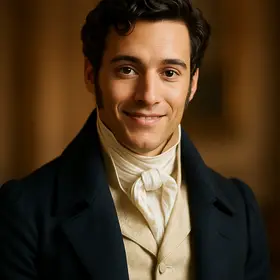 Frank ChurchillMajor character
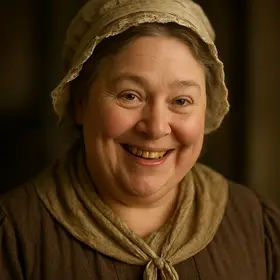 Miss BatesMajor character
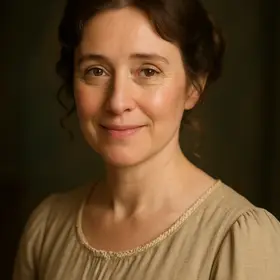 Mrs WestonMajor character
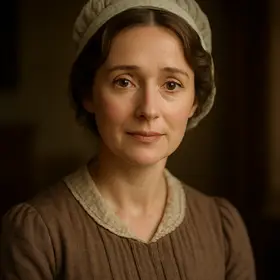 Isabella KnightleyMajor character
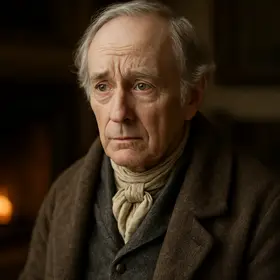 Mr WoodhouseMajor character
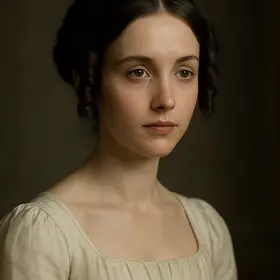 Jane FairfaxMajor character
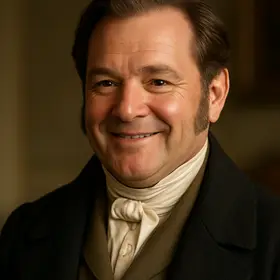 Mr WestonMajor character
All chapter summaries ›Characters ›
Read Emma illustrated
Every scene in these notes comes from the Book2Life reader, where the full public-domain text is illustrated as you read, with character portraits and narration. Free in your browser and on iPhone.
