
Jane Fairfax in Emma
Major character
A highly accomplished, reserved young woman raised by the Campbells, quietly burdened by limited prospects and a secret engagement.
Who is Jane Fairfax?
Jane Fairfax is an orphaned, well-educated young woman who was taken into Colonel Campbell’s household and groomed for a professional life because her small inheritance cannot secure independence. She arrives in Highbury to recover her health and to spend a final period of domestic ease before accepting paid employment as a governess. Throughout the chapters she is admired for her poise, musical accomplishment, and polished manners, yet she remains cautious and evasive in conversation. Jane endures ill health, nervous headaches, and the strain of social attention—Miss Bates’s chatter, Mrs. Elton’s officious patronage, and Frank Churchill’s flirtatious behaviour—while preserving her composure. Unbeknownst to most, she and Frank Churchill have been secretly engaged since October; that engagement is revealed later and explains many private tensions. Jane often withdraws rather than confide, accepts duties (or the prospect of them) with dignity, and provokes sympathy from Emma when Emma recognizes Jane’s constrained prospects and understated endurance.
In the book: Jane Fairfax is the highly accomplished, quietly reserved young woman everyone in Highbury has heard about—raised by the Campbells and now visiting her chatty aunt and elderly grandmother. From the moment she appears, people admire her poise, music, and polished manners, and Emma can’t help measuring herself against her.
Personality
- Accomplished
- Her pianoforte performance at Mrs. Bates’s wins praise and repeatedly marks her as musically superior (chapters describing the pianoforte and music visits).
- Reserved
- She answers questions about her plans and feelings cautiously and often avoids direct disclosure, as when she refuses to discuss the Dixons or Frank Churchill (early introductions and later conversations).
- Dutiful
- She accepts the prospect of becoming a governess and contemplates leaving her comfortable life with the Campbells at twenty-one because circumstance requires it (background and Miss Campbell’s arrangements).
- Enduring
- Jane bears illness, headaches, and intrusive attention—Miss Bates’s chatter and Mrs. Elton’s officiousness—while maintaining composure (accounts of her sickness and the Vicarage interactions).
- Private
- Her long-secret engagement to Frank Churchill is known to no one until Mrs. Weston reveals it, showing how she hides intimate matters (revelation at Randalls).
Character arc
Jane first appears as the admired, polished niece of the Bates household: accomplished, elegant, and quietly burdened by the knowledge that her modest fortune makes a professional career likely. Early chapters emphasize admiration and Emma’s mixed envy and compassion. Jane’s reserve yields suspicion from Emma, who mistakes composure for affectation; later, after episodes of public attention (the pianoforte, Box Hill-related gossip, and Mrs. Elton’s officious patronage), Jane increasingly appears frail and constrained—suffering headaches and poor appetite—prompting genuine pity. Her acceptance of a governess position and the looming necessity of leaving the Campbells frame her as sacrificing domestic ease for duty. The dramatic turn in her arc is the disclosure of a secret engagement to Frank Churchill: this revelation reframes many earlier interactions and explains some tensions, while also offering a route out of immediate dependence. By the end of the notes Jane remains composed and dignified; her social world has shifted from precarious independence toward the hope of secured domestic arrangement through the engagement, but she retains a private, restrained demeanor and the burdens of illness and limited choice.
Relationships
- Miss Bates Her elderly relative and connection in Highbury, who chatters about Jane’s letters and health and whose domestic talk both protects and exposes Jane.
- Colonel Campbell The benefactor who placed Jane in his household, funded her education, and enabled her cultivated upbringing in London.
- Mrs. Campbell A caring guardian figure whose marriage and departure to Ireland punctuate Jane’s temporary return to Highbury before she must earn her living.
- Frank Churchill Her secret fiancé since October; their concealed engagement explains much private tension and is revealed later, altering Jane’s prospects.
- Mrs. Elton An officious newcomer who publicly champions Jane’s advancement and intrusively schemes to place her, much to Jane’s polite resistance.
- Emma Woodhouse A local friend and observer who alternates between envy, misjudgment, pity, and eventual warm sympathy toward Jane after learning of her constrained circumstances.
Quotes by Jane Fairfax
““The post-office is a wonderful establishment!” said she.—“The regularity and despatch of it!”
Chapter 16Jane defends her habit of walking to the post-office and praises the postal system during conversation with John Knightley.
“I did not know that proper names were allowed,”
Chapter 5Jane angrily rejects a word-play that uses a proper name, showing her displeasure and embarrassment at the covert exchange.
“Oh! Miss Woodhouse, the comfort of being sometimes alone!”
Chapter 6Jane, agitated and fatigued, expresses gratitude to Emma as she slips away alone to avoid causing her aunt worry.
“This is most kind, indeed!—Miss Woodhouse, it is impossible for me to express—I hope you will believe—Excuse me for being so entirely without words.”
Chapter 16Jane greets Emma with heartfelt gratitude and emotion, revealing her warm appreciation and contrasting with the room's social chatter.
Why Jane Fairfax matters
Jane Fairfax embodies themes of constrained female dependence, social performance, and the limits of genteel accomplishment without fortune. Her polished manners and musical skill demonstrate cultural capital that cannot alone secure independence, highlighting how social grace masks vulnerability. The secrecy of her engagement and her acceptance of a governess’s fate underscore tensions between private affections and public necessity. Jane’s composure in suffering invites sympathy and catalyzes Emma’s moral awakenings—forcing other characters to confront assumptions about merit, charity, and the social costs of genteel poverty.
Chapters with Jane Fairfax
More Emma characters
 Emma WoodhouseProtagonist
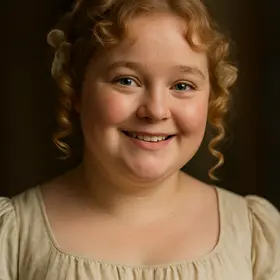 Harriet SmithMajor character
 Frank ChurchillMajor character
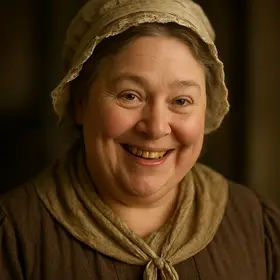 Miss BatesMajor character
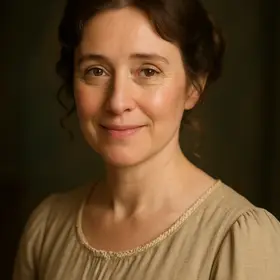 Mrs WestonMajor character
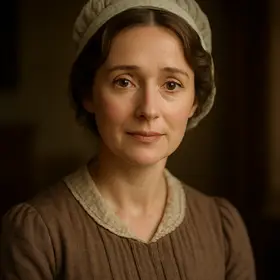 Isabella KnightleyMajor character
 Mr WoodhouseMajor character
 Mr WestonMajor character
All chapter summaries ›Characters ›
Read Emma illustrated
Every scene in these notes comes from the Book2Life reader, where the full public-domain text is illustrated as you read, with character portraits and narration. Free in your browser and on iPhone.
