
Mr. Wopsle in Great Expectations
Minor character
The village church clerk with theatrical ambitions whose grandiose declamation supplies comic relief.
Who is Mr. Wopsle?
Mr. Wopsle is the local church clerk and a family acquaintance of Pip who runs an informal evening class in the great-aunt’s cottage and entertains the village with dramatic readings. He provides comic distraction at the Gargerys’ Christmas dinner and joins village outings, including the marsh search for escaped convicts. As Pip grows, Wopsle pursues stage ambitions: Pip hears him read reports and sees him perform in a provincial Hamlet, where his declamation provokes laughter. Wopsle later adopts a stage name (Mr. Waldengarver) and continues acting in London, where Pip encounters him in pantomime and watches him draw an audience’s derision while still striving for theatrical respect. Throughout the chapters in which he appears, Wopsle’s bluster, melodramatic self-importance, and single-minded devotion to performance mark him as comic, pitiable, and revealing of social pretension.
In the book: Mr. Wopsle is the village church clerk and a family acquaintance of Pip’s whose grandiose manner and love of declamation provide comic relief. Nurturing outsized theatrical ambitions, he later pursues the stage under a new name, and his blustery self‑importance satirizes social pretension and the hazards of mistaking theatrics for substance.
Personality
- theatrical
- In Chapter 7 he holds dramatic evening readings in the great-aunt’s room and in Chapter 31 he plays Hamlet on a provincial stage.
- grandiose
- At the Gargerys’ Christmas (Chapter 4) he behaves with a pompous manner that fills the dinner with moralizing pronouncements.
- comedic
- Chapter 31 records his Hamlet performance as farcical—audience jeers, shouted stage directions, and Ophelia’s madness evaporating into laughter.
- self-important
- After the Hamlet performance (Chapter 31) he solicits approval and lectures Pip and Herbert on the theatre’s social place, showing his inflated view of his role.
- resilient
- Despite derision in Chapter 31 and later pantomime ridicule in Chapter 47, he persists in acting and even adopts a stage name to continue his career.
Character arc
When Pip first meets Mr. Wopsle he is a local church clerk and amateur pedagogue who supplies village entertainments and an evening class (Chapters 4, 7). Early on he appears as comic foible and background presence: a pompous, exhausted visitor at the Gargerys’ festive dinner and a melodramatic reader in the great-aunt’s room. As Pip matures and moves toward London, Wopsle’s ambitions become explicit—his public readings grow into full theatrical performances. In Chapter 31 Pip witnesses Wopsle as Hamlet in a provincial production that reduces tragedy to farce; the performance humiliates Wopsle but also shows his determination. He adopts a stage name (Mr. Waldengarver) and continues acting in later appearances, where Pip watches him in pantomime and notes him staring at a familiar figure in the audience (Chapter 47). Wopsle changes little in essential character—his devotion to performance and his self-importance persist—but his arc moves from small-town clerk to struggling provincial actor, shifting his social role while keeping his comic, pitiable core intact.
Relationships
- Pip Acquaintance from the village who attends Wopsle’s readings, sees his stage performances, and feels both pity and embarrassment for him.
- Joe Gargery Fellow village man who socializes with Wopsle at the Three Jolly Bargemen and on village occasions.
- Uncle Pumblechook Frequent companion at village gatherings and part of the same pompous social circle that amplifies local pretension.
- Biddy Present in the same informal learning setting where Wopsle holds his evening lessons; she helps teach Pip while Wopsle performs readings.
- Herbert Pocket Friend of Pip who attends Wopsle’s Hamlet with Pip and later meets Wopsle backstage, participating in the awkward flattery after the show.
- Mr. Jaggers An authoritative stranger in the Three Jolly Bargemen who publicly browbeats Wopsle about presumption in Chapter 18.
Quotes by Mr. Wopsle
““There’s something wrong,” said he, without stopping, “up at your place, Pip. Run all!””
Chapter 15Mr. Wopsle bursts into the discovery that something violent has happened at the Gargerys’ and urges Pip to hurry home, leading to the chapter’s grim revelation.
“My name," he said, "is Jaggers, and I am a lawyer in London.”
Chapter 18Jaggers introduces himself bluntly to Pip and Joe, establishing his authority and professional distance.
“Now, I return to this young fellow. And the communication I have got to make is, that he has great expectations.”
Chapter 18Jaggers delivers the central announcement that changes Pip's life and launches the novel's main premise.
“You are to understand, first, that it is the request of the person from whom I take my instructions that you always bear the name of Pip.”
Chapter 18Jaggers imposes the first of several strict conditions tied to Pip's advancement, emphasizing secrecy and prescribed identity.
“Gentlemen, how did it seem to you, to go, in front?”
Chapter 31Backstage, the actor (Wopsle as Waldengarver) solicits audience approval and flattery from Pip and Herbert after the performance.
“My view is a little classic and thoughtful for them here; but they will improve, they will improve.”
Chapter 31Waldengarver defends his style against the provincial audience’s tastes, revealing his theatrical self-regard and optimism.
Why Mr. Wopsle matters
Mr. Wopsle functions as comic counterpoint and satirical figure: his melodrama and pretension expose the gap between theatrical display and authentic social worth. By repeatedly turning tragedy into farce and mistaking declamation for substance, he caricatures the social climbing and self-fashioning that underlie Pip’s own aspiration to gentility. Wopsle’s persistence in performance despite humiliation underscores Dickens’s critique of social pretension and the dangers of valuing appearances over moral steadiness; his presence also humanizes the provincial world Pip partly rejects, reminding the reader that worth and folly coexist across classes.
Chapters with Mr. Wopsle
More Great Expectations characters
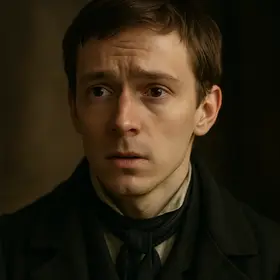 PipProtagonist
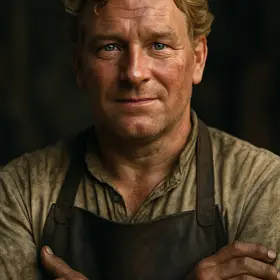 Joe GargeryMajor character
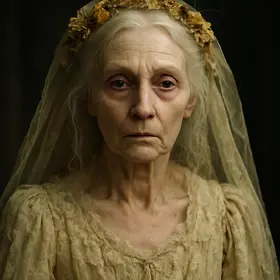 Miss HavishamMajor character
 Herbert PocketMajor character
 EstellaMajor character
 Mr. JaggersMajor character
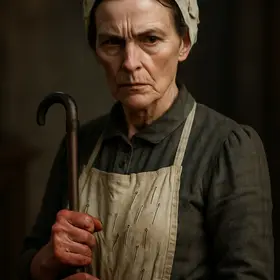 Mrs. Joe GargeryMinor character
 BiddyMajor character
All chapter summaries ›Characters ›
Read Great Expectations illustrated
Every scene in these notes comes from the Book2Life reader, where the full public-domain text is illustrated as you read, with character portraits and narration. Free in your browser and on iPhone.
