The Sun Also Rises
1926 · Modernist novel
Free to read in your browser. Public-domain edition from Project Gutenberg, illustrated as you read.
About This Book
The Sun Also Rises follows Jake Barnes, an American expatriate and journalist in 1920s Paris, as he navigates friendships, love, and the quiet dislocations of a postwar generation. Told in a spare, direct voice, the novel sketches a circle of expatriates and their neighbors: the restless and insecure Robert Cohn, the magnetic and unattached Lady Brett Ashley, Jake’s loyal friends Bill and Mike, and the young matador Pedro Romero. Their lives revolve around cafés, dances, and drinking, with underlying tensions that surface as loyalties and desires clash. The story begins in Paris, where Jake introduces readers to Cohn’s past, the complicated entanglements around Brett, and plans that take the group from city nightlife to the ritual fervor of the Pamplona fiesta. The narrative tracks days of fishing and quiet camaraderie in the Spanish countryside, escalating into the charged spectacle of bullfights and jealous confrontations. Brett’s impulsive attractions and Cohn’s volatility create strained confrontations that test the bonds among the characters, while Jake observes and reflects with wry restraint. The novel endures because of its economical prose, its acute social observation, and its evocation of a particular time and mood. Hemingway’s focus on behavior and dialogue grounds the emotional stakes without melodrama, making the book a lasting portrait of longing, dislocation, and the rituals people use to live with loss.
Characters in The Sun Also Rises
 Jake BarnesJake Barnes is the novel’s narrator and an American expatriate journalist in 1920s Paris whose war injury leaves him emotionally and physically constrained, shaping his relationships and desires. Moving through cafés, fiestas, and bullfights with a circle of dislocated friends, he anchors the story’s exploration of the “Lost Generation,” quietly observing the costs of disillusionment, intimacy, and honor without overt melodrama.
 Lady Brett AshleyLady Brett Ashley is the magnetic social center of the expatriate circle, a free-spirited aristocrat whose charm, independence, and emotional restlessness both enthrall and unsettle those around her. She embodies the allure and aimlessness of the Lost Generation, propelling friendships and romances into volatile orbits while exposing the costs of desire, disillusionment, and postwar change.
 Robert CohnRobert Cohn is a wealthy American expatriate and aspiring writer whose insecurity and romantic idealism set him at odds with the hard‑boiled, disillusioned circle around him. As a Jewish outsider and former Princeton boxing champion, he embodies both strength and vulnerability, and his intense attachments—especially to Lady Brett Ashley—become a catalyst that exposes tensions, values, and fault lines within the group.
 Bill GortonBill Gorton is Jake Barnes’s closest American friend and traveling companion, a witty, good‑natured writer whose banter provides comic relief and emotional ballast. He accompanies Jake from Paris into Spain, where his camaraderie, resilience, and decency highlight both the pleasures of companionship and the disillusionment of the postwar “Lost Generation,” helping to frame Jake’s moral viewpoint without dominating the plot.
 Mike CampbellMike Campbell is Lady Brett Ashley’s fiancé and a bankrupt, hard-drinking veteran who tags along with the expatriate circle from Paris to Spain. Quick with banter and barbed jokes, he supplies both comedy and abrasion, his jealousy and financial ruin exposing the frayed manners, insecurity, and moral drift of the Lost Generation without tipping the story’s central secrets.
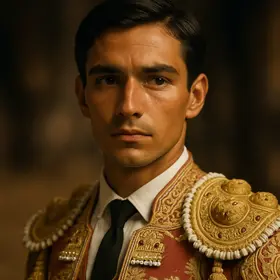 Pedro RomeroPedro Romero is a prodigiously talented bullfighter whose purity of craft and composure embody the ideal of authentic passion that the novel’s expatriates crave. His presence draws admiration and desire—especially from Brett—and becomes a catalyst that exposes the group’s insecurities, values, and fault lines without him ever posturing or boasting.
 MontoyaMontoya is the respected Pamplona hotelier and devoted aficionado of bullfighting who recognizes and esteems true passion for the art. He serves as a cultural gatekeeper, deciding who merits access to the inner world of toreros, and his regard for Jake Barnes underscores themes of authenticity, loyalty, and the costs of belonging.
 Count MippipopolousCount Mippipopolous is a wealthy, good‑humored bon vivant who courts Lady Brett Ashley and treats the expatriate crowd to lavish nights out. Worldly and generous, he serves as a foil to the novel’s more disillusioned characters, offering a steadier, cheerfully resilient perspective that highlights themes of pleasure, experience, and what truly holds value after upheaval, without driving the central conflicts himself.
 Frances ClyneFrances Clyne is Robert Cohn’s girlfriend in the Paris chapters, a forceful presence whose confrontations about marriage and status expose Cohn’s insecurities and the expatriates’ tangled desires. Through her sharp dialogue and public arguments, she helps reveal the social dynamics, gender expectations, and emotional fault lines that drive the group before the story shifts away from her.
 GeorgetteA minor but telling figure, Georgette accompanies Jake on an evening out in Paris, briefly intersecting with his friends and highlighting the novel’s undercurrent of loneliness, transactional intimacy, and postwar disconnection. Her scenes illuminate Jake’s emotional distance and set the tone for the expatriate nightlife that frames the story.
 Harvey StoneAn American expatriate writer in Jake Barnes’s Paris circle, Harvey Stone drifts in and out of cafés broke and hungry, serving as a sardonic, razor-edged observer of the group’s pretenses—especially Robert Cohn’s. Though a minor figure, his cynicism, poverty, and artistic frustration sharpen the novel’s portrait of the Lost Generation’s disillusionment and creative malaise.
 Wilson-HarrisA courteous, generous English fisherman whom Jake and Bill befriend during their Burguete fishing trip, Wilson-Harris shares flies and conversation, models sportsmanlike camaraderie, and offers a brief, humane counterpoint to the group’s hard-drinking disillusionment. His role is small but memorable, illuminating the novel’s themes of fellowship and decency amid postwar aimlessness.
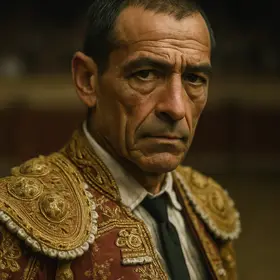 BelmonteBelmonte is a renowned matador returning to the arena, whose reputation and technique command respect even as his body shows the strain of years. His performances draw the novel’s protagonists into the spectacle of the corrida, and his presence contrasts sharply with the youth and brilliance of the rising star, illuminating themes of artistry, pride, and the cost of glory.
Study guide
Summaries and analysis of all 20 chapters, and profiles of 14 characters, illustrated with scenes from the book.
Key Scenes & Storyboard
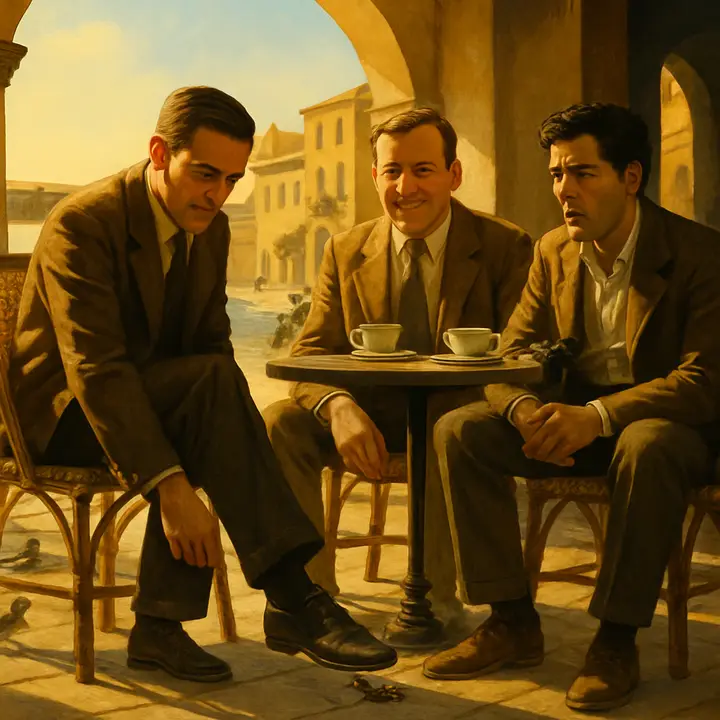
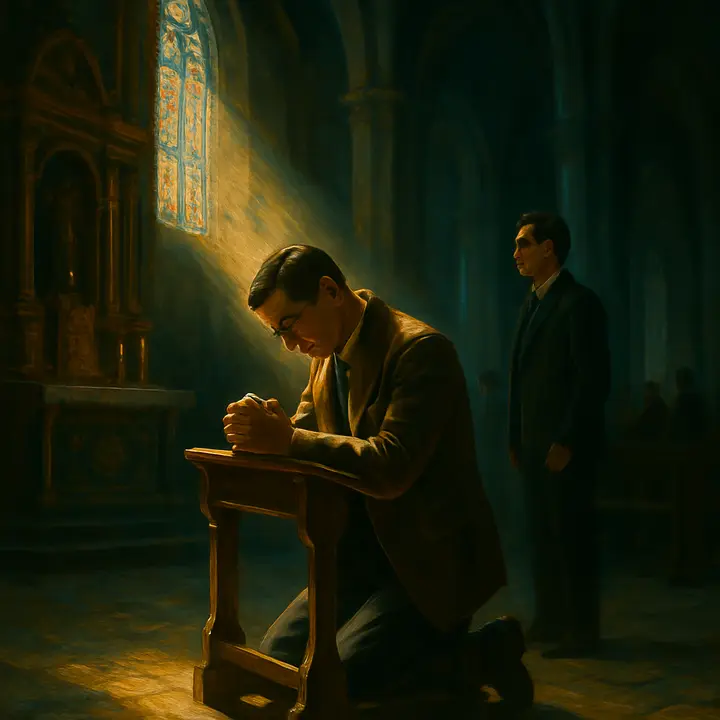
6 illustrated scenes. These appear beside the passage they depict as you read.
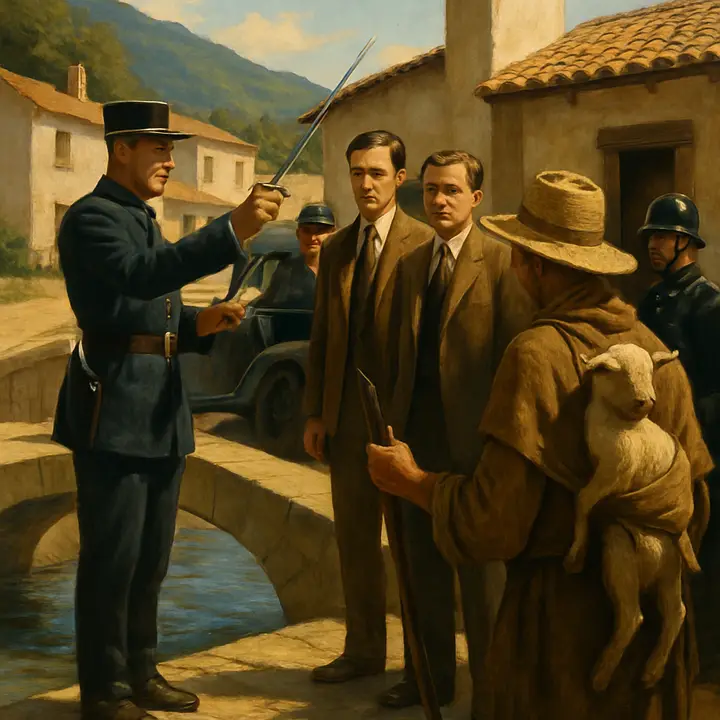
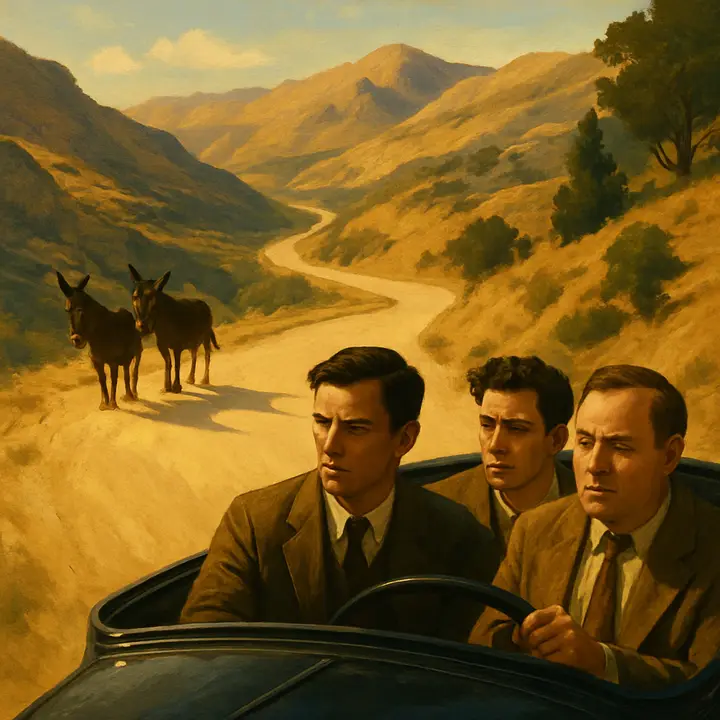
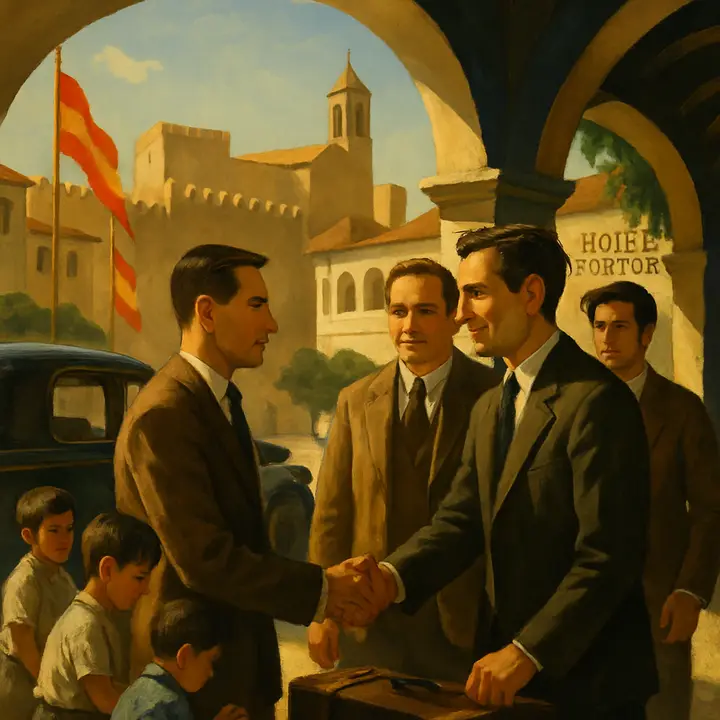
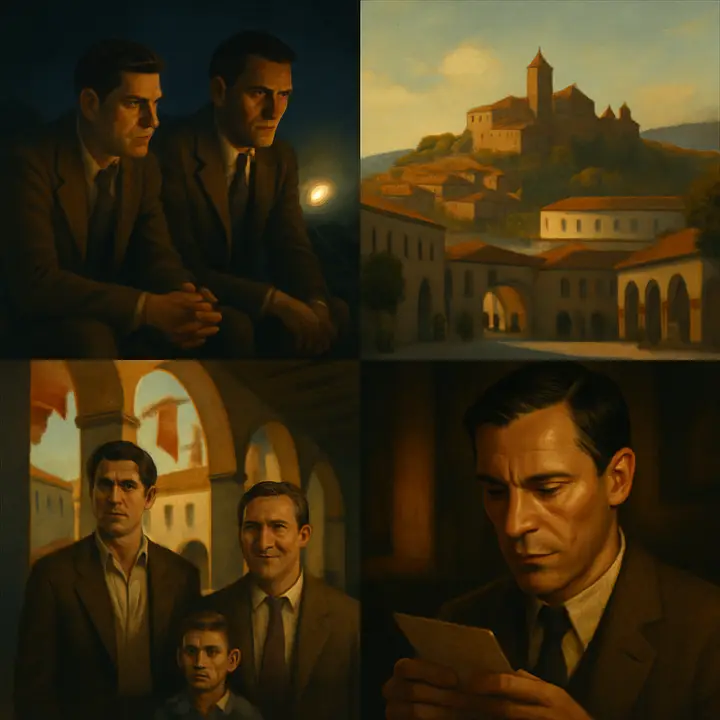
Themes
- Lost generation
- Expatriate life
- Masculinity
- Jealousy
- Desire
- Rituals
Why Read The Sun Also Rises?
Read this novel for its lean, precise prose and the way it captures an unsettled world through everyday scenes—cafés, fishing trips, dances, and bullfights. The book’s strength lies in what is shown rather than explained: characters reveal themselves through talk and action, and the gaps between speech and feeling invite the reader to assemble the emotional picture.
For a modern reader, the book offers a study of relationships under strain, the codes of friendship and honor, and the collision between public spectacle and private longing. Its setting of interwar Europe gives historical texture, but the core conflicts—unrequited desire, the search for meaning, and the routines that sustain people—remain recognizably contemporary.
Experience The Sun Also Rises on Book2Life
Read with AI-generated visuals, character portraits, audio narration, smart summaries, and more — free in your browser and on iPhone.