
John in The Yellow Wallpaper
Antagonist
The narrator’s husband and physician whose strict “rest cure” and practical authority shape the narrator’s confinement and resistance.
Who is John?
John is a physician and the narrator’s husband who prescribes and enforces a strict rest cure after her nervous depression. He rents the old colonial mansion and installs his wife in the top-floor nursery, treating her as delicate, forbidding writing, and insisting on a controlled, domestic regimen. Throughout the story he speaks and acts with calm, clinical confidence, framing the narrator’s experience as a medical problem best solved by his interventions. He appears indifferent to the narrator’s private observations about the wallpaper, and he depends on household order, as shown by his reliance on Jennie and the nursery’s childlike fixtures. When the narrator finally tears the wallpaper and locks herself in the room, John is the one who breaks the door and collapses in shock as she claims she has “got out.” His authority and actions create the conditions for the narrator’s secret resistance and the story’s climactic confrontation.
In the book: John is the narrator’s husband and a physician whose practical, authoritative approach to health and domestic life shapes the conditions of her “rest cure.” He represents the prevailing medical and social attitudes of the time, becoming a central force against which the narrator’s private perceptions and autonomy strain, and thus he is crucial to the story’s exploration of control, belief, and the boundaries of sanity.
Personality
- authoritative
- He prescribes a strict rest cure and forbids the narrator from writing, imposing his medical judgment on her daily life.
- practical
- He arranges the move to the rented house and treats the narrator’s condition as a matter of practical management rather than subjective experience.
- dismissive
- He appears indifferent when the narrator describes her fixation on the wallpaper and does not take her observations seriously.
- controlling
- He locks the domestic routine around the narrator and ultimately forces entry into the nursery when she barricades herself inside.
Character arc
John’s behavior and stance remain largely consistent from his first appearance to the last: he is steady, confident, and convinced that his medical expertise and domestic authority are the correct responses to the narrator’s illness. Initially he establishes the rest cure—relocating them to the old house, forbidding writing, and insisting on careful management of her activities. As the narrator’s fixation on the wallpaper deepens, John continues to interpret her condition through a medical, practical lens and does not alter his approach in response to her private rebellion. In the climax, when the narrator tears away the wallpaper and locks the door, John moves from the role of calm administrator to an active intruder who breaks into the room; confronted with the narrator’s breakdown and her declaration that she has “got out,” he faints. This final moment shows him overwhelmed by the outcome of his rigid treatment, but it does not show him gaining insight or changing his convictions—his collapse is a physical incapacity rather than an ideological shift.
Relationships
- The Narrator Her husband and physician who enforces the rest cure and treats her condition with clinical authority.
- The Baby The couple’s infant, present in the household and one factor in the domestic setting that frames the narrator’s confinement.
- Jennie A household companion who appears to support John and who, like him, seems indifferent to the narrator’s obsessing over the wallpaper.
- The Woman in the Wallpaper A figure the narrator perceives in the paper whom John neither acknowledges nor understands; he remains blind to that inner reality.
Why John matters
John embodies the prevailing medical and social authority of the time: rational, controlling, and convinced that institutional expertise knows best. As the enforcer of the rest cure, he represents how medical practice and gendered domestic power can silence subjective experience and autonomy. His refusal or inability to take the narrator’s perceptions seriously intensifies her isolation and contributes directly to the story’s exploration of sanity, control, and the consequences of dismissing a woman’s voice.
Chapters with John
More The Yellow Wallpaper characters
 JennieMinor character
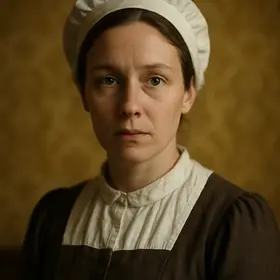 MaryMinor character
 The BabyMinor character
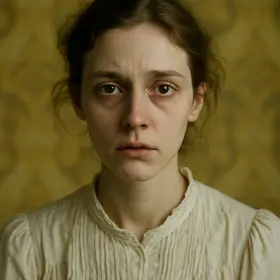 The NarratorNarrator
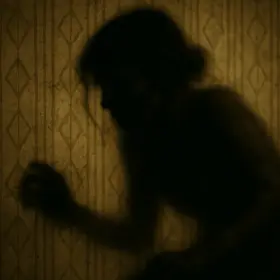 The Woman in the WallpaperAntagonist
All chapter summaries ›Characters ›
Read The Yellow Wallpaper illustrated
Every scene in these notes comes from the Book2Life reader, where the full public-domain text is illustrated as you read, with character portraits and narration. Free in your browser and on iPhone.
Read The Yellow Wallpaper free
