
The monsters, as their authors wrote them
Most of us met these monsters on a screen before we met them on the page. The green skin and neck bolts, the cape and slicked-back hair, the pumpkin-headed rider: those all came later, from film and illustration. The books describe something stranger.
For each monster below, the portrait was generated in Book 2 Life from the way the book describes the character, and the passage beside it is the author's own. Four of them land close to the text. The fifth gets one famous detail wrong, which turns out to be the most interesting part.
All five books are in the public domain and free to read.
The Creature, from Frankenstein (Mary Shelley, 1818)
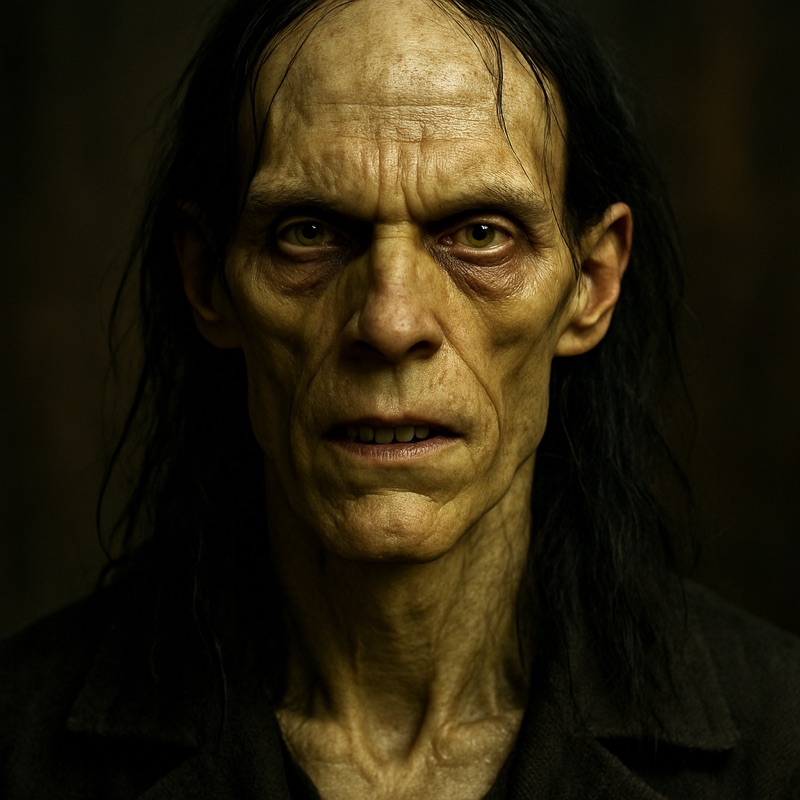
His yellow skin scarcely covered the work of muscles and arteries beneath; his hair was of a lustrous black, and flowing; his teeth of a pearly whiteness; but these luxuriances only formed a more horrid contrast with his watery eyes...
Victor Frankenstein chose the features to be beautiful, and built him about eight feet tall. What he got was a giant whose good looks make the wrongness worse. The flat-topped head, green skin and bolts are Jack Pierce's makeup for the 1931 Universal film. Shelley's Creature also talks, at length and very well: he teaches himself to read and quotes Paradise Lost.
When to read it: The creation scene, in chapter 5, happens "on a dreary night of November," so save that chapter for the first wet night of the month. About five hours of reading in all. See it illustrated.
Count Dracula, from Dracula (Bram Stoker, 1897)
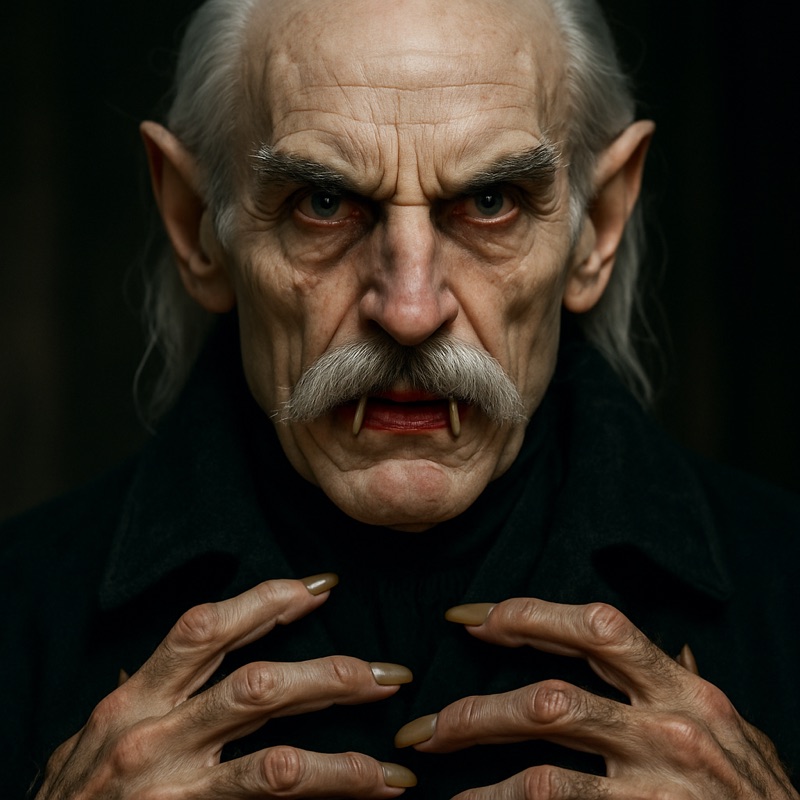
Within, stood a tall old man, clean shaven save for a long white moustache, and clad in black from head to foot, without a single speck of colour about him anywhere.
A page later Jonathan Harker adds the rest: a thin aquiline nose, eyebrows that almost meet, ears "at the tops extremely pointed," sharp white teeth over very red lips, and long nails cut to a point. Then the detail nobody puts on a poster: "Strange to say, there were hairs in the centre of the palm."
Bela Lugosi's smooth, dark-haired Count is a different man. Stoker's Dracula starts old and gets younger as he feeds, until Harker sees him in London and says, "I believe it is the Count, but he has grown young."
When to read it: The novel is told in diary entries and letters that run from 3 May to 6 November. Start it now and the last entries land in the same week they were written for. It is the long one, about eleven hours. See it illustrated.
Mr Hyde, from The Strange Case of Dr Jekyll and Mr Hyde (Robert Louis Stevenson, 1886)
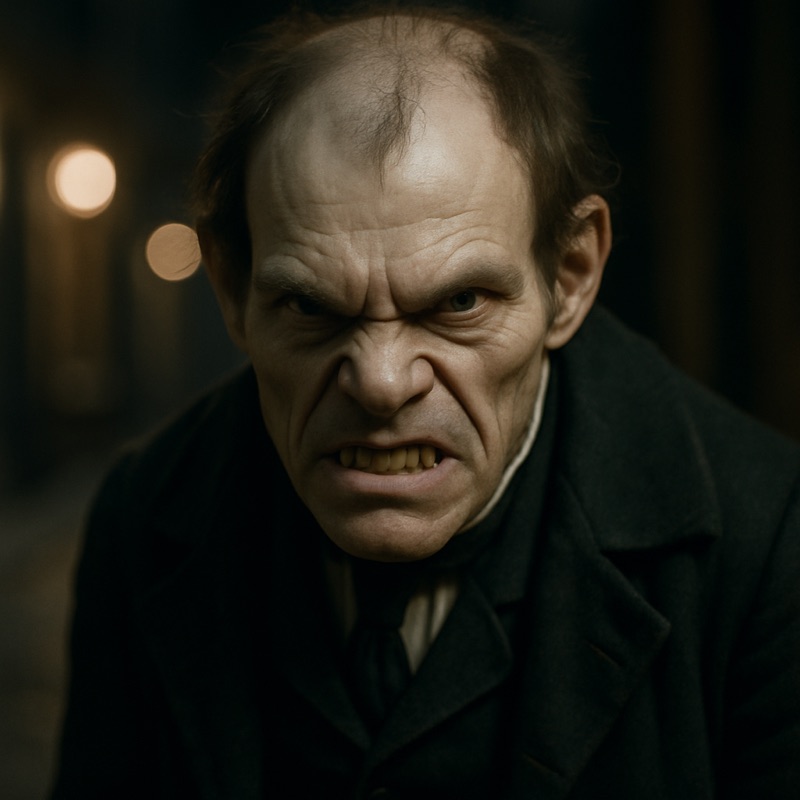
Mr. Hyde was pale and dwarfish, he gave an impression of deformity without any nameable malformation, he had a displeasing smile...
Film versions tend to make Hyde bigger and hairier than Jekyll. Stevenson made him smaller: "so much smaller, slighter and younger than Henry Jekyll." What frightens people in the book is that nobody can say what is wrong with him. "He is not easy to describe," says Mr Enfield. "There is something wrong with his appearance; something displeasing, something down-right detestable."
When to read it: The murder that turns the story happens "in the month of October." It is short enough to read in one evening, under two hours.
Carmilla, from Carmilla (Joseph Sheridan Le Fanu, 1872)
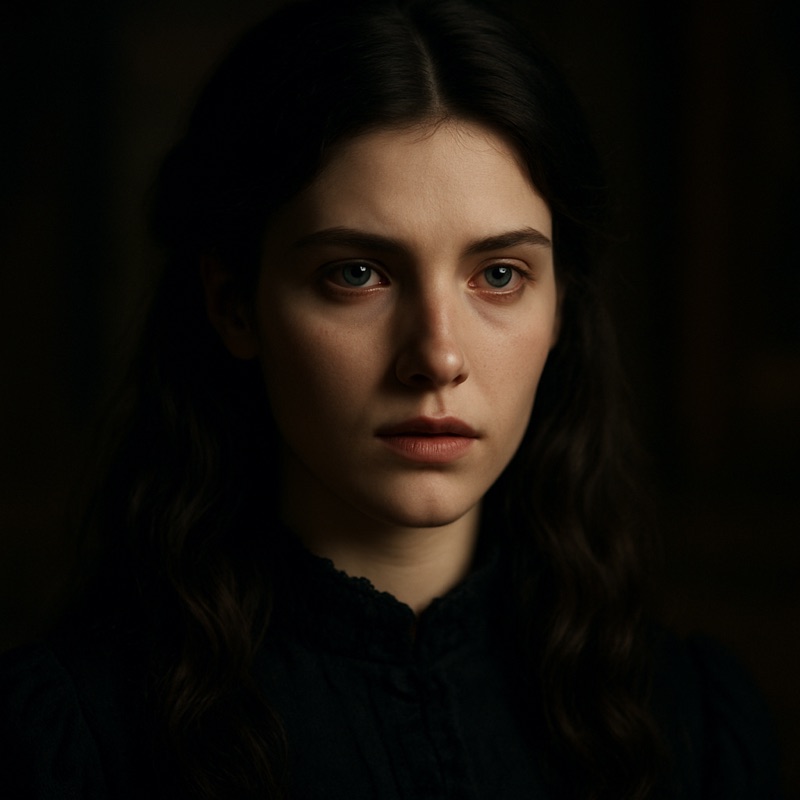
She was slender, and wonderfully graceful. Except that her movements were languid—very languid—indeed, there was nothing in her appearance to indicate an invalid.
Carmilla came 25 years before Dracula and is often named as one of its influences. There is no cape and no castle door creaking open. She arrives as a house guest in Styria, a beautiful girl with large dark eyes and heavy, dark brown hair "with something of gold" in it, who sleeps late and never joins the family at prayers. The narrator, Laura, is fascinated by her, which is the point.
When to read it: About two hours. It works best read in two or three late-night sittings.
The Headless Horseman, from The Legend of Sleepy Hollow (Washington Irving, 1820)
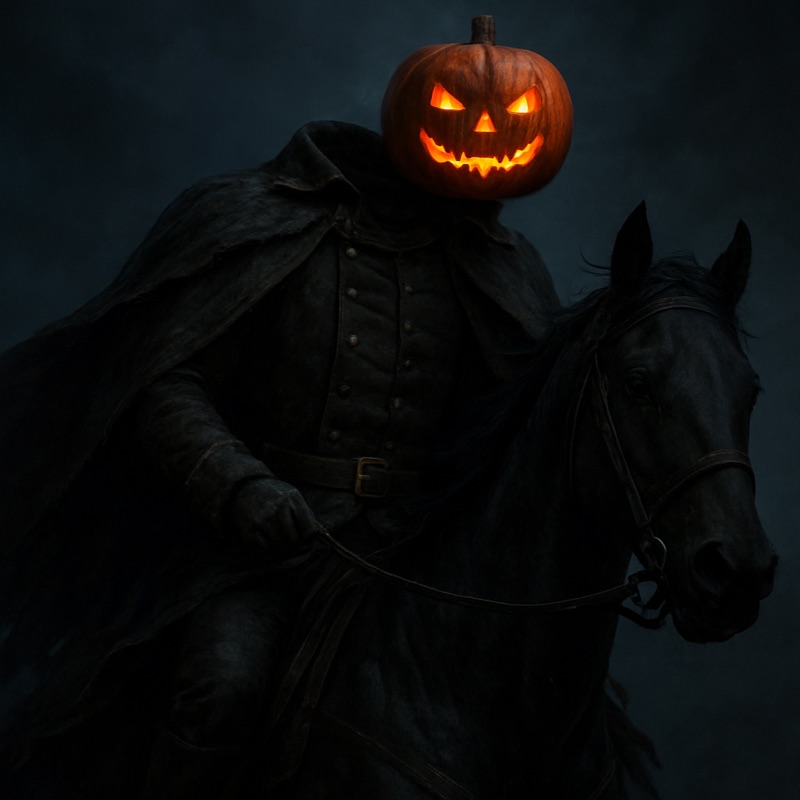
...Ichabod was horror-struck on perceiving that he was headless!—but his horror was still more increased on observing that the head, which should have rested on his shoulders, was carried before him on the pommel of his saddle!
This is the one the AI got wrong, and in a revealing way. It gave the Horseman a jack-o'-lantern on his shoulders, which is how films and Halloween decorations show him. In Irving's story the head rides on the saddle. The pumpkin turns up only the next morning, when the searchers find Ichabod's hat by the brook, "and close beside it a shattered pumpkin." Irving never says who the rider was. He does mention that Brom Bones, Ichabod's rival, "always burst into a hearty laugh at the mention of the pumpkin."
When to read it: The story is set at harvest time and ends at a party on an autumn night. At about 12,000 words it takes under an hour, which makes it the best of the five to read aloud on Halloween itself.
How these pictures were made
Book 2 Life reads each book, writes a description of every major character from what the text says about them, and generates a portrait from that description. The same happens for scenes, which appear in the text beside the passage they show. Nothing here was drawn by hand or retouched. That is also why the Horseman came out wrong: given a famous character, the model reached for the famous image.
You can see the illustrated editions of Frankenstein and Dracula on this site. All five books are in the app's free catalog, with narration if you would rather listen in the dark.
Frequently asked questions
What does Frankenstein's monster look like in the book?
Mary Shelley describes yellow skin that barely covers the muscles and arteries beneath, flowing lustrous black hair, pearly white teeth, watery eyes and black lips. He is about eight feet tall. The green skin, flat head and neck bolts come from the 1931 Universal film, not the novel.
What does Dracula look like in the book?
When Jonathan Harker meets him, Dracula is a tall old man, clean-shaven except for a long white moustache, with a thin aquiline nose, bushy eyebrows that almost meet, pointed ears, sharp white teeth, and hair in the centre of his palms. Later in the novel he grows younger.
Is the Headless Horseman's head a pumpkin?
Not in Washington Irving's story. The Horseman carries his head on the pommel of his saddle. The morning after Ichabod Crane disappears, all anyone finds is his hat and a shattered pumpkin, and Brom Bones laughs whenever the pumpkin comes up.
What is the shortest classic horror story to read for Halloween?
Of these five, The Legend of Sleepy Hollow is the shortest at about 12,000 words, under an hour of reading. The Strange Case of Dr Jekyll and Mr Hyde and Carmilla each take about two hours.
See your next book come to life
Read public-domain classics with AI illustrations, character art, and narration on Book 2 Life.