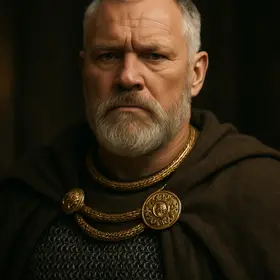
Hygelac in Beowulf
Major character
King of the Geats, Beowulf’s lord and uncle who anchors Beowulf’s loyalty and political identity.
Who is Hygelac?
Hygelac is the ruling king of the Geats and Beowulf’s uncle and liege. He functions as the central political authority to whom Beowulf pledges service and from whom Beowulf departs and to whom he returns bearing treasure and reports. Hygelac’s hall and household provide the courtly setting for Beowulf’s debriefing, the distribution of rewards, and the geopolitical context that frames Beowulf’s voyages to Denmark and back. Though Hygelac does not take part in the Danish episodes, his presence is felt in Beowulf’s declarations of fealty, the gifts that circulate between courts, and the security his kingship offers the Geatish retainers. Hygelac expects military loyalty and receives Beowulf’s spoils and news; later his death in battle creates a leadership crisis that affects Beowulf’s role and the fate of the Geats. Hygelac’s court also highlights ideals of gift-giving, kinship, and the burdens of kingship that the poem explores.
In the book: Hygelac is the king of the Geats and Beowulf’s lord and uncle, serving as the anchor of Beowulf’s allegiance and the political center of his homeland. His authority frames Beowulf’s duties, rewards, and reputation, and his court provides the context for Beowulf’s journeys abroad and return, highlighting themes of loyalty, gift‑giving, and the responsibilities of kingship without being the story’s primary focus.
Personality
- Authoritative
- Beowulf introduces himself as one of Hygelac’s retainers when the Geatish war-band arrives before Hrothgar (VI).
- Patronly
- Beowulf returns from Denmark to present Hygelac with spoils and gifts taken from Hrothgar’s court (XXVIII).
- Warlike
- The narrative reports Hygelac’s death in hand-to-hand fighting, showing he engages directly in battlefield combat (XXXIII).
- Political anchor
- Beowulf repeatedly frames his actions and future service in terms of his duty to Hygelac, asking Hrothgar to return gifts to Hygelac should he fall (XXIII).
Character arc
Hygelac appears primarily as the stable center of Geatish politics at the poem’s mid-point: the lord who receives Beowulf’s honors and to whom Beowulf gives account of his deeds at Hrothgar’s court. Early appearances define Hygelac as the king whose hall, household, and authority validate Beowulf’s actions and reward him for foreign service. Hygelac’s name and kingship frame Beowulf’s identity as a retainer and shape the expectations of reciprocity and military loyalty. Later, the course of events turns darker: Hygelac dies in hand-to-hand combat, a violent loss that destabilizes Geatish leadership and forces political transitions that affect Beowulf’s position among his people. Though Hygelac himself does not undergo a dramatic transformation in character on-page, his death changes his role from reigning monarch to a memory and cause of political upheaval, setting the stage for Beowulf’s later responsibilities and the chain of succession problems that follow.
Relationships
- Beowulf Nephew and lord—Beowulf is Hygelac’s retainer who reports his deeds and returns spoils to him.
- Hygd Queen and consort—Hygd presides over Hygelac’s household and shares the courtly stage when Beowulf returns.
- Heardred Political successor—Heardred’s brief rule follows Hygelac’s death and relates to the instability Hygelac’s death creates.
- Hrethel Ancestor and kin—Hrethel appears in genealogical context as part of the royal line that includes Hygelac.
- Scyld Scefing Dynastic exemplar—Scyld is part of the larger royal and heroic genealogical framework that situates Hygelac’s reign.
Why Hygelac matters
Hygelac embodies the poem’s concerns with kingship as the source of social order, the obligations of reciprocal gift-giving, and the martial expectations placed on rulers. As the lord to whom Beowulf owes allegiance, Hygelac anchors the hero’s identity and provides the institutional context that legitimizes heroic deeds. His death underscores the fragility of political stability and the way personal combat and fate can unsettle dynastic continuity, reinforcing themes about the transience of human authority and the heavy responsibilities placed on successors and retainers.
Chapters with Hygelac
More Beowulf characters
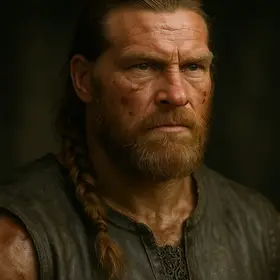 BeowulfProtagonist
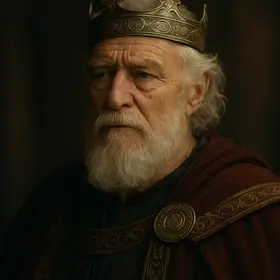 HrothgarMajor character
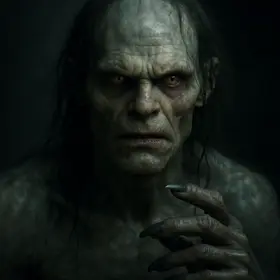 GrendelAntagonist
 EcgtheowMinor character
 The DragonAntagonist
- HHealfdeneMinor character
- HHigelacMajor character
- GGodMajor character
All chapter summaries ›Characters ›
Read Beowulf illustrated
Every scene in these notes comes from the Book2Life reader, where the full public-domain text is illustrated as you read, with character portraits and narration. Free in your browser and on iPhone.
