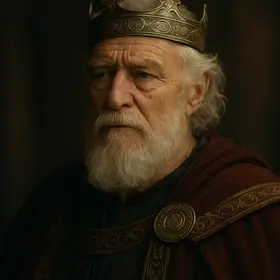
Hrothgar in Beowulf
Major character
Wise, generous king of the Danes who built Heorot and presides over the court, hospitality, and counsel.
Who is Hrothgar?
Hrothgar is the aging king of the Scyldings who commissions the great mead-hall Heorot as a center for feasting, gift-giving, and communal glory. As a respected ring-giver he wants to secure honor and safety for his people, sustain reciprocal bonds with retainers, and preserve the stability of his lineage. When Grendel’s nightly raids terrorize Heorot for twelve winters, Hrothgar endures grief and helplessness, seeks counsel, and welcomes outside aid. He receives Beowulf and praises the hero’s lineage, hosts feasts, bestows lavish gifts after Grendel’s defeat, and publicly mourns the loss of Æschere when Grendel’s mother strikes. Hrothgar not only rewards valor but also offers moral instruction: after Beowulf’s double victories he delivers a sober lecture on the transience of fame and the dangers of pride. His actions—granting treasures, asking for assistance, mourning the dead, and instructing younger men—frame the poem’s concerns about kingship, obligation, and the responsibilities that accompany power.
In the book: Hrothgar is the wise and generous king of the Danes who built the great mead hall Heorot. As a respected “ring-giver,” he embodies the ideals of leadership, hospitality, and counsel, welcoming heroes and guiding them with hard-won experience. His role frames the story’s exploration of kingship, honor, and the responsibilities of power.
Personality
- Generous
- He builds Heorot and lavishes Beowulf with a banner, mail, helmet, jewels, horses, and rings after Grendel’s defeat (Chapters II, XVI).
- Experienced
- He recounts Ecgtheow’s past and negotiates peace for the exiled warrior, showing long memory and diplomatic skill (Chapter VIII).
- Grieving
- He mourns deeply for the Danes killed by Grendel and later laments the loss of his trusted counselor Æschere (Chapters III, XXI).
- Counseling
- He gives Beowulf a moral lecture about the fleeting nature of life, wealth, and power after the hero’s victories (Chapter XXVI).
- Paternal
- He embraces and weeps with Beowulf at their parting and declares the hero like a son in spirit (Chapter XXVII).
Character arc
Hrothgar appears first as a triumphant builder-king whose creation of Heorot embodies communal pride. That pride is painfully undercut when Grendel lays waste to his hall for twelve winters; Hrothgar moves from public celebrant to a ruler burdened with grief, helpless counsel, and searching for deliverance. The arrival of Beowulf restores hope: Hrothgar receives the Geatish hero hospitably, recounts past obligations, and publicly rewards the deliverer when Grendel is vanquished. Yet the cost returns when Grendel’s mother murders Æschere, prompting Hrothgar to rouse his men and to beseech Beowulf to pursue vengeance. After Beowulf’s double victory Hrothgar shifts into the role of mentor: he inspects trophies, reads rune-inscriptions, and uses the moment to teach humility and warn against pride’s dangers. By the time of parting, Hrothgar is moved to tears, blessing Beowulf and acknowledging both the solace and the precariousness that power entails. He does not undergo dramatic personal transformation, but his experiences deepen him—he moves from celebratory king to sorrowful counselor and finally to a wise, admonishing elder whose authority rests on experience and moral reflection.
Relationships
- Beowulf Guest-ally whom Hrothgar receives, rewards lavishly, embraces as a son-in-spirit, and to whom he gives counsel.
- Wealhtheow Queen and courtly partner who presents gifts at the hall and counsels Hrothgar about succession and generosity (they act together in the feast).
- Æschere Trusted counselor and shoulder-companion whose death deeply wounds Hrothgar and motivates subsequent action.
- Unferth Contentious thane at Hrothgar’s feet whose taunts Beowulf rebukes while Hrothgar presides over the feast.
- Hrothulf Kinsman present in the court whose loyalty and future role Hrothgar must consider when planning succession.
- Grendel's Mother Avenging foe whose attack on Heorot and slaying of Æschere forces Hrothgar to ask Beowulf for new deliverance.
Quotes by Hrothgar
“I remember this man as the merest of striplings.”
VIIHrothgar recalls Beowulf's youth and his father's identity, establishing Beowulf's background and reputation.
“To defend our folk and to furnish assistance,1 Thou soughtest us hither, good friend Beowulf.”
VIIIHrothgar frames Beowulf’s arrival as motivated by duty and aid, linking it to social obligations and hospitality.
“What grief in Heorot Grendel hath caused me, 20 What horror unlooked-for, by hatred unceasing.”
VIIIHrothgar laments Grendel’s relentless attacks, conveying the king’s sorrow and the destruction of communal life in Heorot.
“Not to any one else have I ever entrusted, But thee and thee only, the hall of the Danemen, Since high I could heave my hand and my buckler.”
XHrothgar entrusts Heorot to Beowulf’s protection before retiring for the night.
“Now, Beowulf dear, Hereafter, Beowulf, thou shalt be my son.”
XVHrothgar publicly adopts Beowulf in spirit, promising him honor and gifts as reward for slaying Grendel.
“Ask not of joyance! Grief is renewed to The folk of the Danemen.”
21Hrothgar opens his lament for Æschere, signaling the hall’s mourning and the seriousness of the loss.
Why Hrothgar matters
Hrothgar embodies the poem’s exploration of kingship: the balance of generosity, responsibility, and moral guidance. His building of Heorot and lavish gift-giving model ideal rulership and reciprocal loyalty, while his helplessness before Grendel highlights a ruler’s limits. His public mourning, procurement of aid, and later counsel to Beowulf underscore themes of community dependence, the moral weight of power, and the transient nature of fame and fortune. As a moralizing elder, Hrothgar links heroic action to prudent governance, making him central to the poem’s reflections on honor, obligation, and the perils that follow prosperity.
Chapters with Hrothgar
More Beowulf characters
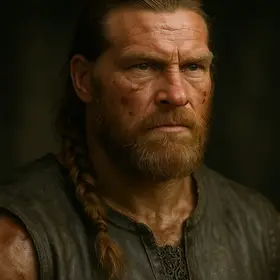 BeowulfProtagonist
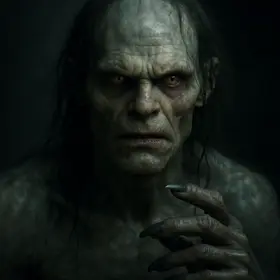 GrendelAntagonist
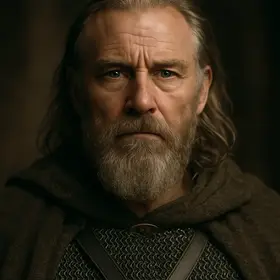 EcgtheowMinor character
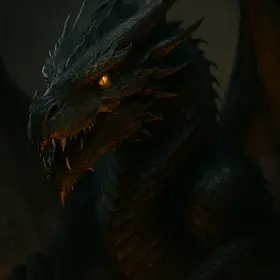 The DragonAntagonist
- HHealfdeneMinor character
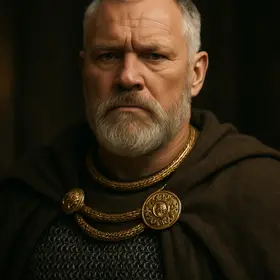 HygelacMajor character
- HHigelacMajor character
- GGodMajor character
All chapter summaries ›Characters ›
Read Beowulf illustrated
Every scene in these notes comes from the Book2Life reader, where the full public-domain text is illustrated as you read, with character portraits and narration. Free in your browser and on iPhone.
