Weders in Beowulf
Minor character
A group of northern warriors (Weders) present among the assembled thanes at Heorot, sharing in feast and vigilance.
Who is Weders?
The Weders appear as one of the foreign war-bands present at Heorot when Beowulf and his retinue arrive. They are part of the assembled company who witness the exchange between the Danes and Geats: they observe the landing, the questioning at the shore, and later take part in the hallly feasting and rejoicing when Hrothgar confronts Beowulf’s purpose. They represent allied or neighboring warriors whose presence underlines the social world of the poem—bands of fighters who value reputation, witness oaths, and participate in communal response to trouble. The Weders do not take central action in the battles described; their role is communal and observational, standing among the Danemen during celebrations and serving as part of the audience to the tale of feuds and duties that frames Beowulf’s mission.
Personality
- Observant
- They are listed among those who rejoice in Heorot as Hrothgar speaks and the gleeman sings (VIII).
- Warrior-band
- They are counted with the assembled soldiers present when strangers land and arm themselves on the shore (IV).
- Communal
- They share in the hall-feast and the public ceremony of hospitality and reputation described by Hrothgar (VIII).
- Witnesses
- They form part of the audience for Beowulf’s reminiscences and the account of inter-tribal bloodfeuds (XXXV).
Character arc
The Weders’ presence is steady rather than developmental: they first appear as part of the assembled coastal observers when Beowulf’s ship lands and the coast-guard challenges the newcomers, marking them as part of the martial landscape the poem inhabits. In the hall scenes they function as part of the communal audience—rejoicing, drinking, and witnessing Hrothgar’s account of past debts and the present grievance with Grendel. They thus help to stage the poem’s codes of hospitality, obligation, and public reputation. By the time Beowulf recounts blood-feuds and prepares for his final confrontation with the dragon, the Weders remain in the background as social witnesses; they do not drive events or change in response to the central conflicts. Their role is consistent: a visible, steady cohort of warriors who affirm communal bonds and the social stakes of violence without undergoing transformation themselves.
Relationships
- Hrothgar They are among the men gathered in Heorot who listen to King Hrothgar’s speech and join in the hallly rejoicing.
- Beowulf They stand among the assembled thanes who observe Beowulf’s arrival and celebration of his fame in the hall.
- Danemen They are listed alongside the Danemen as part of the crowd that rejoices and witnesses the hall ceremonies.
- Grendel They are part of the society affected by Grendel’s raids, present in Heorot as the community that endures the monster’s attacks.
- Hygelac As fellow northern warriors in the same martial world, they share the social context that produces leaders like Hygelac and his thanes.
Why Weders matters
Though not individualized, the Weders function as the poem’s communal backdrop: they embody the network of warrior-bands whose presence validates speeches, oaths, and feats. By attending feasts and witnessing claims of kinship, vengeance, and fame, they help dramatize the social values of honor, obligation, and public reputation that drive the narrative. Their steady, observational role underscores that heroism and danger are matters of community recognition as much as individual deed.
Chapters with Weders
More Beowulf characters
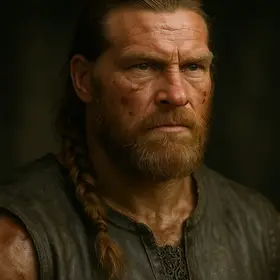 BeowulfProtagonist
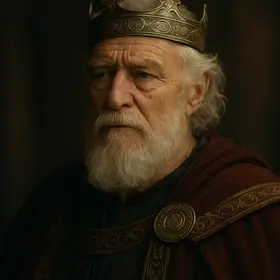 HrothgarMajor character
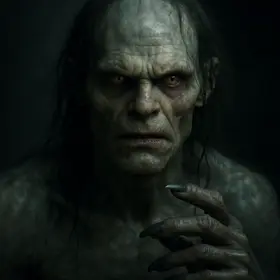 GrendelAntagonist
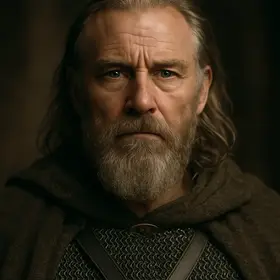 EcgtheowMinor character
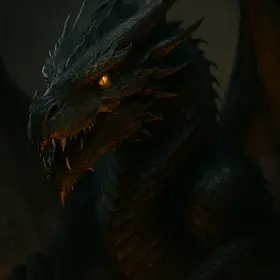 The DragonAntagonist
- HHealfdeneMinor character
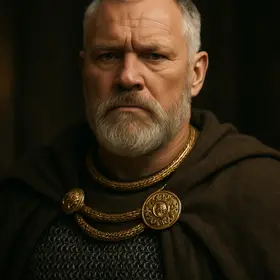 HygelacMajor character
- HHigelacMajor character
All chapter summaries ›Characters ›
Read Beowulf illustrated
Every scene in these notes comes from the Book2Life reader, where the full public-domain text is illustrated as you read, with character portraits and narration. Free in your browser and on iPhone.
