Carmilla
1871 · Gothic horror
Free to read in your browser. Public-domain edition from Project Gutenberg, illustrated as you read.
About This Book
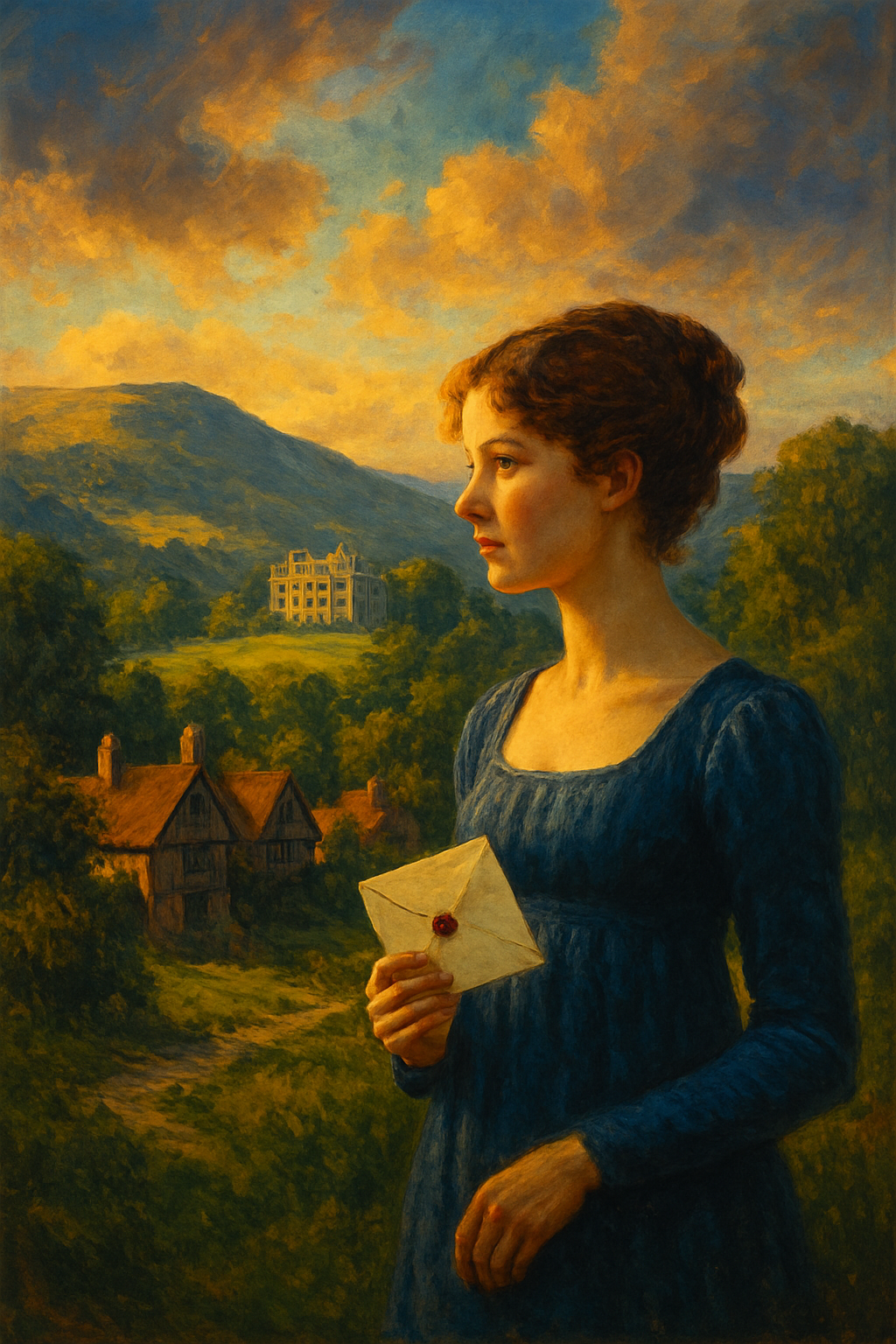
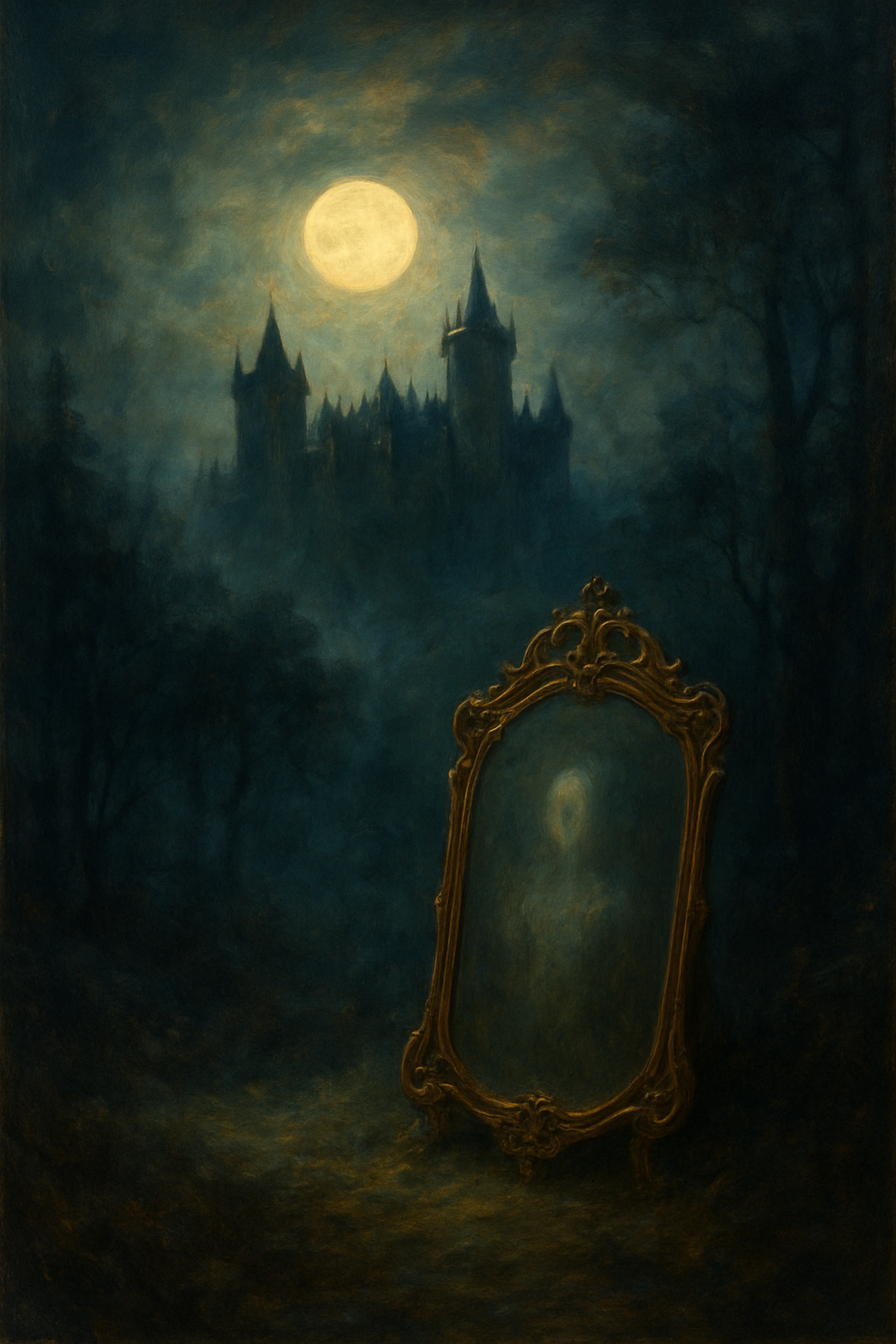
Carmilla is a gothic novella narrated by Laura, a young woman living with her widowed father in a secluded Styrian Schloss. Framed as an account attached to a physician’s note, the story opens with Laura’s recollection of a childhood fright and quickly moves to the arrival of a mysterious, fainted young woman after a carriage wreck. The newcomer is taken into their household under the care of a distressed mother, and she introduces herself as Carmilla. Laura and Carmilla form an intense, intimate friendship marked by strange nocturnal episodes, vivid dreams, and physical symptoms that worry local physicians. Carmilla’s habits, uncanny resemblance to an ancient portrait, and unexplained disappearances unsettle the household while a wider pattern of illness and eerie tales circulates in the surrounding countryside. As concern mounts, a doctor’s examination and the arrival of a grave old general set parts of the narrative toward an investigation into local legends and ruined estates connected to the enigmatic young woman. The novella unfolds through atmospheric scenes—moonlit encounters, locked doors, whispered stories, and growing dread—followed by inquiries that touch on antiquarian research, masked ball gossip, and the thin boundary between affection and danger. Throughout, Laura’s voice gives the tale a personal immediacy and lingering unease.
Characters in Carmilla
 LauraLaura is the first-person narrator and protagonist, a sheltered young woman living with her father in a remote Styrian estate. Her quiet life is unsettled by the arrival of the enigmatic Carmilla, with whom she forms an intense attachment that brings a mix of fascination and unease. Through Laura’s sensitive, observant voice, the story explores themes of intimacy, isolation, and the uncanny, making her perspective central to the gothic atmosphere and unfolding mystery without overtly telegraphing its revelations.
 CarmillaCarmilla is an enigmatic guest who enters Laura’s secluded household after a chance mishap, quickly forming an intense, intimate bond with her. Her charm and beauty captivate those around her, even as her presence coincides with mounting unease and a mysterious wasting illness in the region. Through Carmilla, the story probes themes of desire, secrecy, and the thin line between affection and danger, making her the magnetic center of the novella’s atmosphere and tension.
 General SpielsdorfA retired aristocratic officer and family friend, General Spielsdorf arrives bearing a dire warning drawn from his own recent tragedy, becoming a crucial witness whose testimony frames the danger stalking young women and spurs the protagonists toward understanding and action, lending the tale its investigative and cautionary momentum without dominating the narrative.
 Laura's fatherLaura’s father is a widowed, affectionate landowner living with his daughter in an isolated Styrian schloss. Practical, hospitable, and level‑headed, he manages the household, entertains guests, and responds to unsettling events with rational concern—consulting doctors, clergy, and friends—thereby anchoring the story’s gothic unease with parental care and measured action.
 Madame PerrodonMadame Perrodon is Laura’s live-in governess/housekeeper and chaperone, a practical, good-natured figure who helps manage the household and looks after Laura’s well-being. She provides a stabilizing, maternal counterpoint to the story’s growing unease, mediating social proprieties and tending to guests, and thus grounds the narrative’s domestic scenes while the central mystery unfolds.
 Mademoiselle De LafontaineLaura’s finishing governess, Mademoiselle De Lafontaine is part of the intimate domestic circle at the schloss. Practical yet inclined to mystical and “metaphysical” notions, she helps chaperone and comment on events, providing a steady, respectable counterpoint to the story’s growing unease without driving the plot herself.
 Baron VordenburgBaron Vordenburg is a learned authority on vampirism whose family history and private archives illuminate the true identity and background of the predator haunting the region. Consulting him gives the protagonists crucial context and a practical path forward, turning folklore into actionable knowledge and helping drive the investigation to its resolution.
 Bertha RheinfeldtBertha Rheinfeldt is the beloved ward of General Spielsdorf, whose mysterious illness and death propel him into the hunt for the predator behind a string of similar misfortunes. Her fate serves as a crucial offstage example of the threat stalking young women and motivates key characters to confront the danger, deepening the story’s atmosphere of dread without focusing the narrative directly on her.
Study guide
Summaries and analysis of all 17 chapters, and profiles of 9 characters, illustrated with scenes from the book.
Key Scenes & Storyboard
8 illustrated scenes. These appear beside the passage they depict as you read.


Themes
- gothic horror
- female intimacy
- identity and disguise
- isolation
- rationality vs superstition
Why Read Carmilla?
Carmilla is a foundational work of vampire fiction that predates and helps shape later classic treatments of the theme. Its concentrated length and epistolary framing make it a fast, atmospheric read that balances intimacy and dread—ideal for readers who enjoy psychological tension more than overt spectacle.
Beyond its historic place in horror, the novella explores complex emotional bonds, questions of trust and otherness, and how communities respond to unexplained threats. Its elegantly spare prose, eerie rural setting, and ambiguous narrator invite close reading and discussion, making Carmilla rewarding for readers interested in genre origins, queer subtext, or stories that linger after the last page.
Experience Carmilla on Book2Life
Read with AI-generated visuals, character portraits, audio narration, smart summaries, and more — free in your browser and on iPhone.