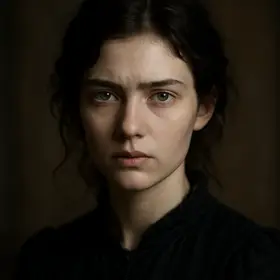
Laura in Carmilla
Narrator
A sheltered young woman who narrates her intense, unsettling friendship with the mysterious Carmilla.
Who is Laura?
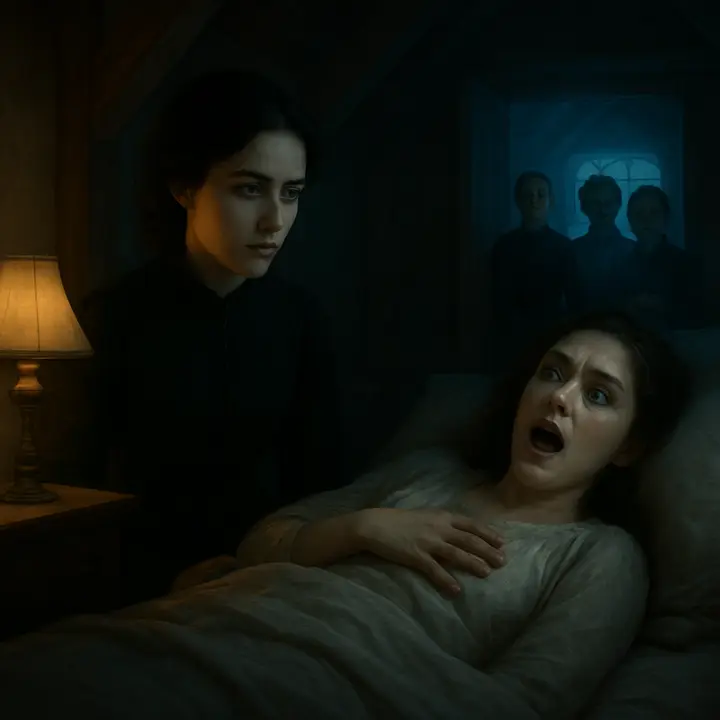
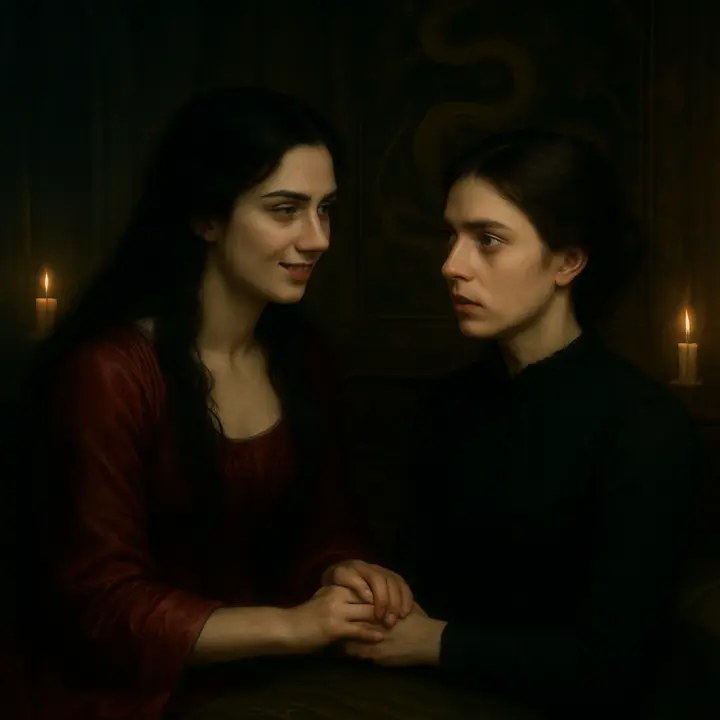
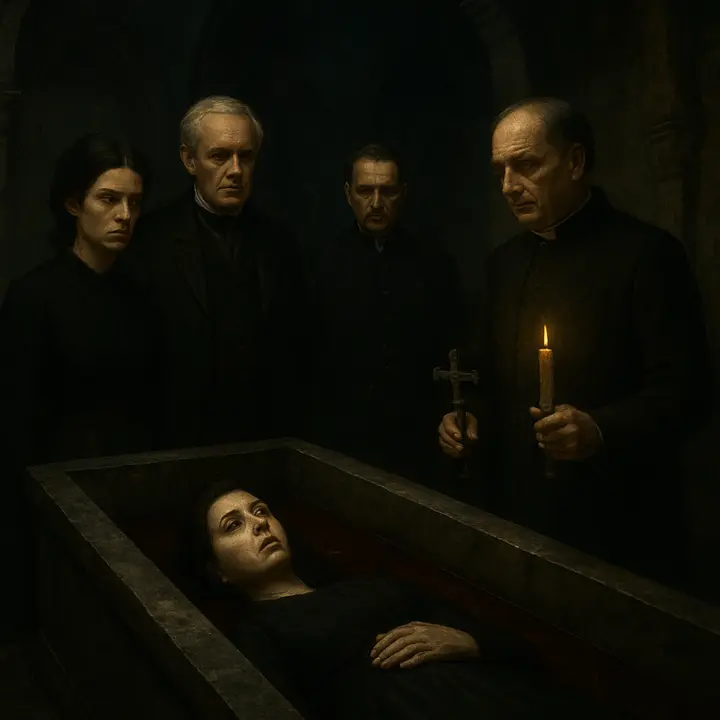
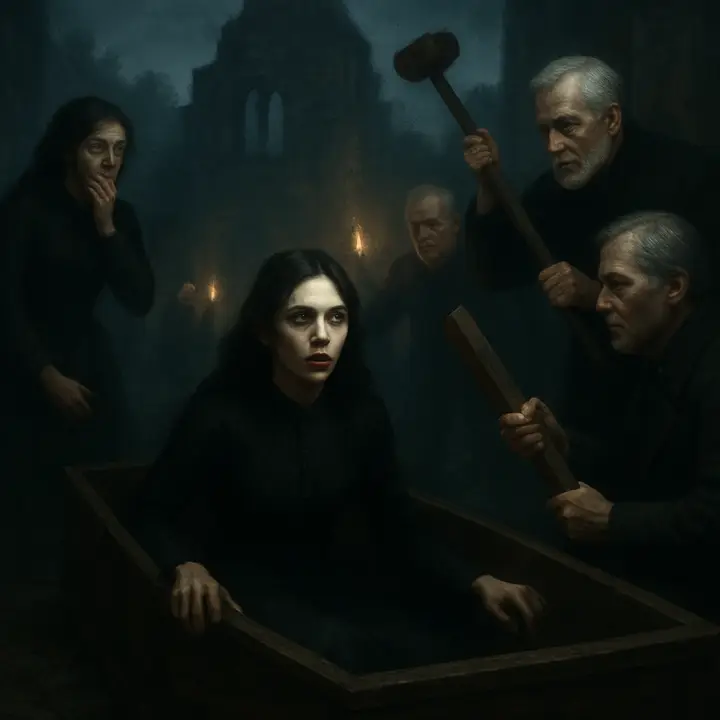
Laura is the first‑person narrator and central character who lives with her aging English father and two governesses in a solitary Styrian schloss. She wants companionship and security within the quiet, cultivated world her household provides, but her life is upended when Carmilla arrives injured and abandoned by a secretive mother. Laura is drawn to Carmilla’s beauty and tender declarations, and she reciprocates the intimacy despite recurring moments of fear and physical malaise. Through Laura’s sensitive, confiding voice we see the slow escalation from fascination to alarm: shared childhood visions, Carmilla’s intense attachments, the discovery of a portrait identifying Mircalla Karnstein, and a series of nocturnal visitations that leave Laura weakened. She resists telling her father at first, tries charms and precautions, and endures dreams and needle‑like stings before Carmilla disappears and is later exposed by outsiders as the vampiric Mircalla. Laura’s narration guides the reader through the gothic atmosphere, the emotional intensity of adolescent attachment, and the eventual revelation and ritual destruction of the vampire.
In the book: Laura is the first-person narrator and protagonist, a sheltered young woman living with her father in a remote Styrian estate. Her quiet life is unsettled by the arrival of the enigmatic Carmilla, with whom she forms an intense attachment that brings a mix of fascination and unease. Through Laura’s sensitive, observant voice, the story explores themes of intimacy, isolation, and the uncanny, making her perspective central to the gothic atmosphere and unfolding mystery without overtly telegraphing its revelations.
Personality
- sheltered
- Her opening chapter describes the isolated schloss and her upbringing under a kindly father and governesses, emphasizing a protected domestic life.
- observant
- She notices Carmilla’s odd hours, convulsive fits under the trees, and the small blue mark below her collar that the doctor examines.
- empathetic
- She responds to Carmilla’s confidences and clings to her in moments of shared childhood visions and rhapsodic embraces despite unease.
- curious
- She begs to hang the restored portrait of Mircalla in her room and later pressures Carmilla for confidence about her past.
- self‑deceptive
- She conceals the intensity of her symptoms and her fear from her father, refusing early medical help because she does not want to alarm him.
Character arc
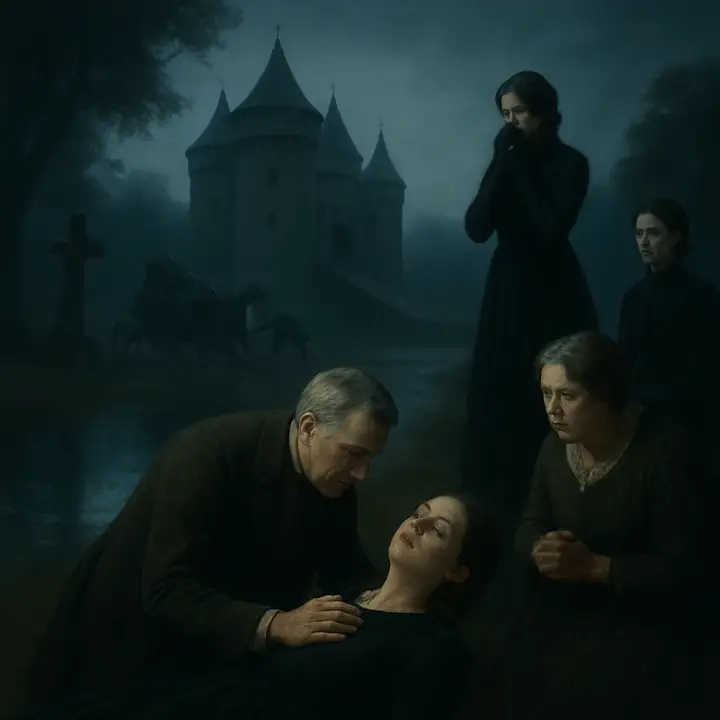
Laura begins as a naïve, comforted young woman whose earliest strange childhood vision already haunts her. The arrival of Carmilla opens a new emotional world: intimacy, fascination, and intense attachment that both delights and disturbs her. Initially Laura treats Carmilla as an exotic friend and indulges romantic confidences, even imitating some of Carmilla’s precautionary practices. As Carmilla’s moods and the shared childhood visions resurface, Laura experiences dreams, needlelike stings, and progressive lassitude that she minimises to protect her father and preserve the household calm. Her fear grows privately—she hides nocturnal terrors, uses charms, and relies on the company of her governesses rather than directly confronting the truth. When Carmilla disappears and later returns mysteriously, Laura’s physical decline forces outside intervention: a doctor’s examination, a trip to Karnstein, and the General’s tale that connects her symptoms to Millarca and Mircalla. By the end Laura survives the ordeal as Carmilla/Mircalla is identified and destroyed; she moves from sheltered ignorance through intimate complicity and terrified sickness to a shaken awareness of supernatural danger, bearing the testimony of events in the formal report preserved by her father.
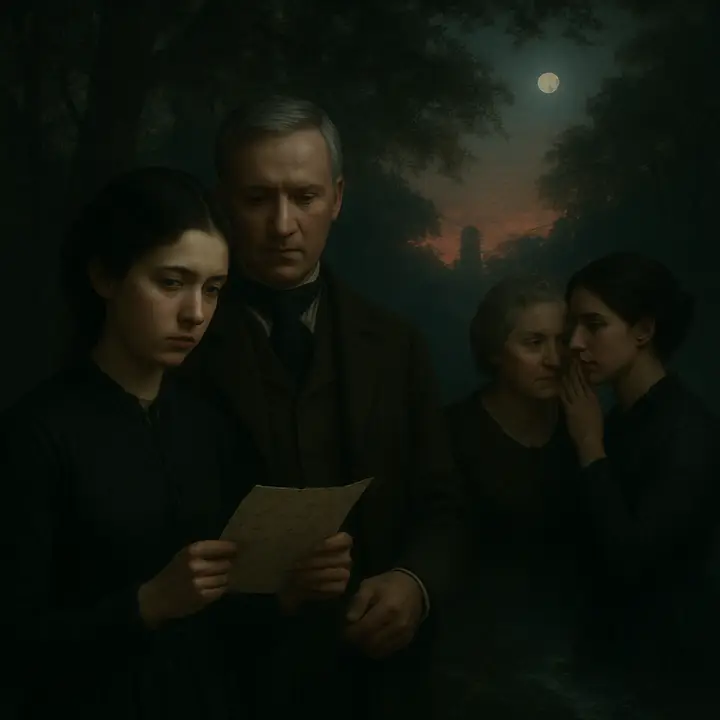
Laura in pictures
Relationships
- Carmilla The enigmatic young woman who becomes Laura’s intimate companion; their attachment alternates between devotion and dread and catalyzes Laura’s illness.
- Laura's father A kindly, aging English gentleman whose protective instincts shape Laura’s decisions and whose authority frames household responses to Carmilla.
- Madame Perrodon Long‑serving governess and practical confidante who tends Laura during her attacks and follows the doctor’s orders for constant attendance.
- Mademoiselle De Lafontaine Finishing governess and lighter companion whose remarks and social tone contrast with Laura’s deeper anxieties and who participates in the household’s reactions.
- General Spielsdorf A distant neighbor whose letter and later presence at Karnstein supply crucial context and connect Laura’s condition to a wider vampiric case.
- Millarca A woman in the General’s tragic account whose symptoms parallel Laura’s, creating a painful mirror that helps reveal Carmilla’s true identity.
Quotes by Laura
“I am descended from the Karnsteins; that is, mamma was.”
VLaura explains the family connection to the Karnsteins when the portrait's inscription is read.
Why Laura matters
Laura embodies the story’s themes of intimacy, isolation, and the uncanny: her sheltered position makes her susceptible to an intense, transgressive attachment that blurs friendship and obsession. Her first‑person testimony creates emotional immediacy and unreliability—she withholds facts, misreads evidence, and confesses private fears—so the reader experiences the gothic mystery through a voice torn between desire and alarm. Laura’s bodily decline and psychological tenderness dramatize the novel’s concerns about vulnerable domestic spaces, the dangers of hidden pasts, and how eroticized dependency can open the household to destabilizing, supernatural forces.
Chapters with Laura
More Carmilla characters
 Laura's fatherMajor character
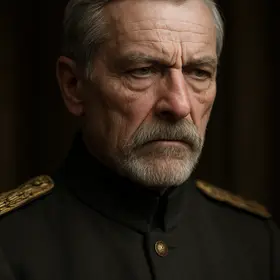 General SpielsdorfMajor character
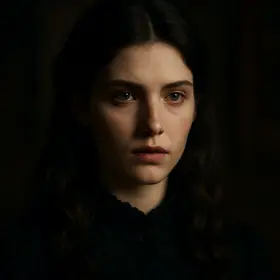 CarmillaAntagonist
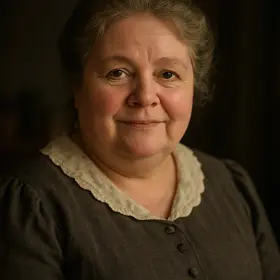 Madame PerrodonMajor character
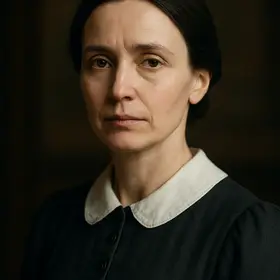 Mademoiselle De LafontaineMinor character
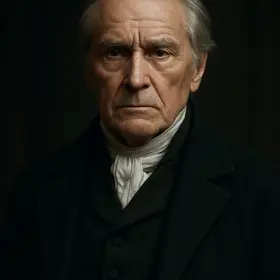 Baron VordenburgMajor character
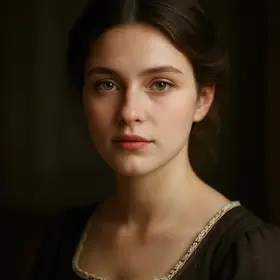 Bertha RheinfeldtMinor character
- MMillarcaAntagonist
All chapter summaries ›Characters ›
Read Carmilla illustrated
Every scene in these notes comes from the Book2Life reader, where the full public-domain text is illustrated as you read, with character portraits and narration. Free in your browser and on iPhone.
