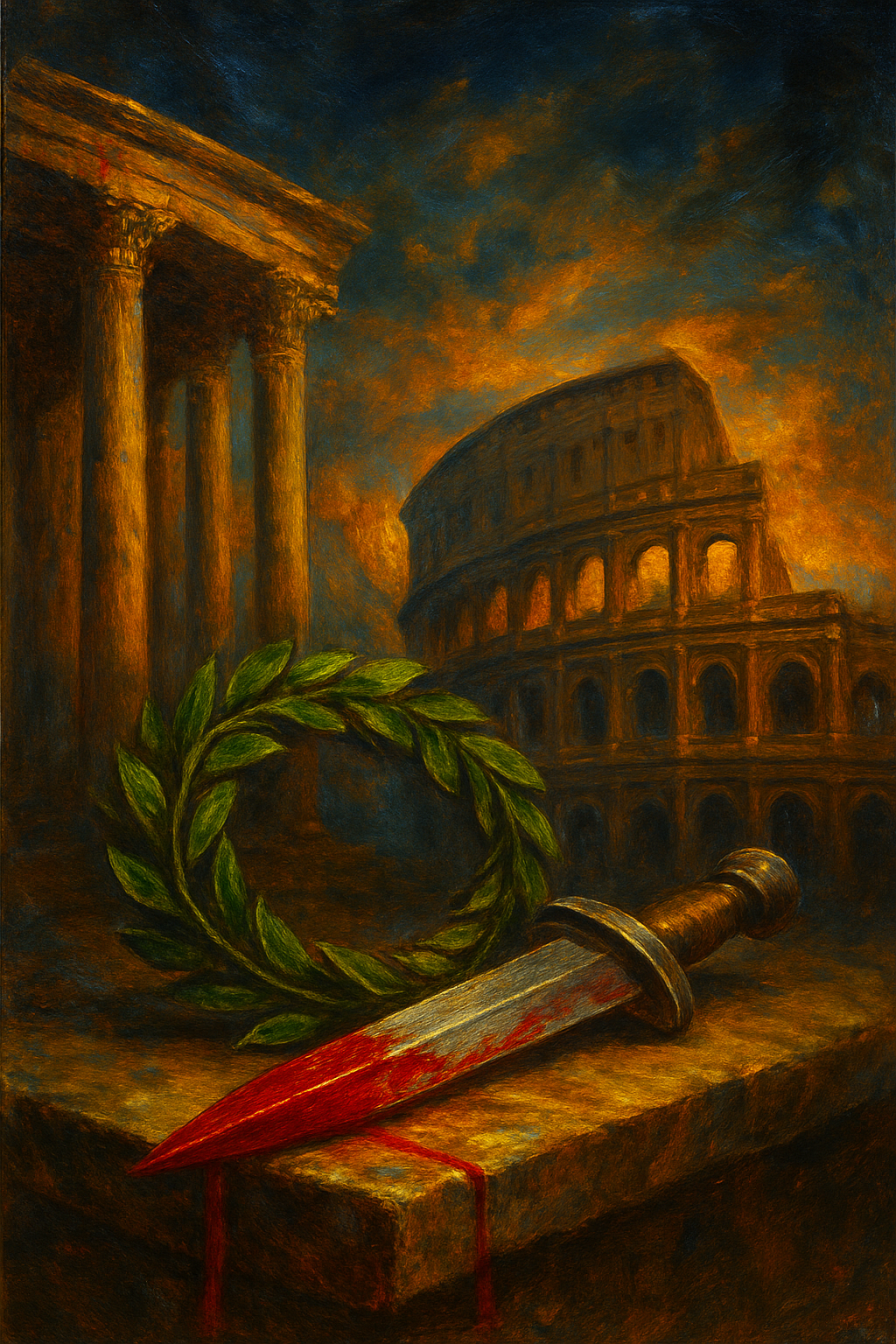
Julius Caesar
1623 · Tragedy
Free to read in your browser. Public-domain edition from Project Gutenberg, illustrated as you read.
About This Book
Julius Caesar is a tightly plotted Roman tragedy by William Shakespeare that examines politics, persuasion and the personal costs of public action. Set in the final days of the Roman Republic, the play follows rivals and allies as they react to Caesar’s increasing fame and apparent ambition. The public mood shifts quickly from celebration to conspiracy as a small group of senators decide whether to stop Caesar by force. At the center is Brutus, a respected senator whose private honor conflicts with the demands of statecraft; Cassius, the cynical provocateur who recruits allies and foments distrust; Mark Antony, Caesar’s loyal friend and a masterful orator; and other figures—Caesar himself, the soothsayer, Portia, and Octavius—whose choices set events in motion. The conspirators debate motives, omens and necessity, and the assassination they plan forces characters to confront loyalty, reputation and the unpredictable power of public speech. The plot moves from private plotting to mass reaction, focusing on how rhetoric and rumor shape political life without presupposing the outcome. The play endures because it combines compressed dramatic action with memorable speeches and clear, contested moral dilemmas. Its economy of scene—public processions, intimate councils, a pivotal public assassination and the crowd’s response—lets Shakespeare explore how individual motives and persuasive language collide with the volatile chemistry of popular politics.
Characters in Julius Caesar
 BrutusWhen we first meet Brutus, he’s a respected Roman senator and a friend everyone trusts, the kind of man people look to for an honorable compass. He’s quiet, serious, and already troubled by Caesar’s growing power, which makes others eager to win him to their side.
 CassiusWhen we first meet Cassius, he’s a seasoned Roman noble talking privately with Brutus, quick with stories and sharp observations about the people around them. He’s skeptical of Caesar’s growing spotlight and good at nudging conversations where he wants them to go, reading Brutus closely and pressing just the right buttons.
 Mark AntonyWhen we first meet him, Mark Antony is Caesar’s confident right hand—good‑humored, competitive in sport, and attentive to Caesar’s wishes. He moves easily among soldiers and citizens alike, the kind of charismatic officer people naturally follow.
 Octavius CaesarWhen we first meet him, he’s Octavius, Julius Caesar’s adopted heir—a quiet but steel‑spined newcomer just arriving to claim his place in Rome. He speaks little, listens hard, and matches Mark Antony’s confidence with cool, measured authority.
 Julius CaesarWe first meet Julius Caesar as Rome’s most celebrated general, fresh from victory and adored by the crowds as he moves through the city with effortless authority. He speaks with calm certainty, expects obedience, and his growing prestige makes some powerful men around him quietly uneasy.
 PortiaWhen we first meet Portia, she’s Brutus’s wife, sharp-eyed and worried because he’s acting distant and restless at night. She speaks to him gently but firmly, asking to be treated as a true partner, even revealing a self-inflicted wound to prove her courage and earn his confidence.
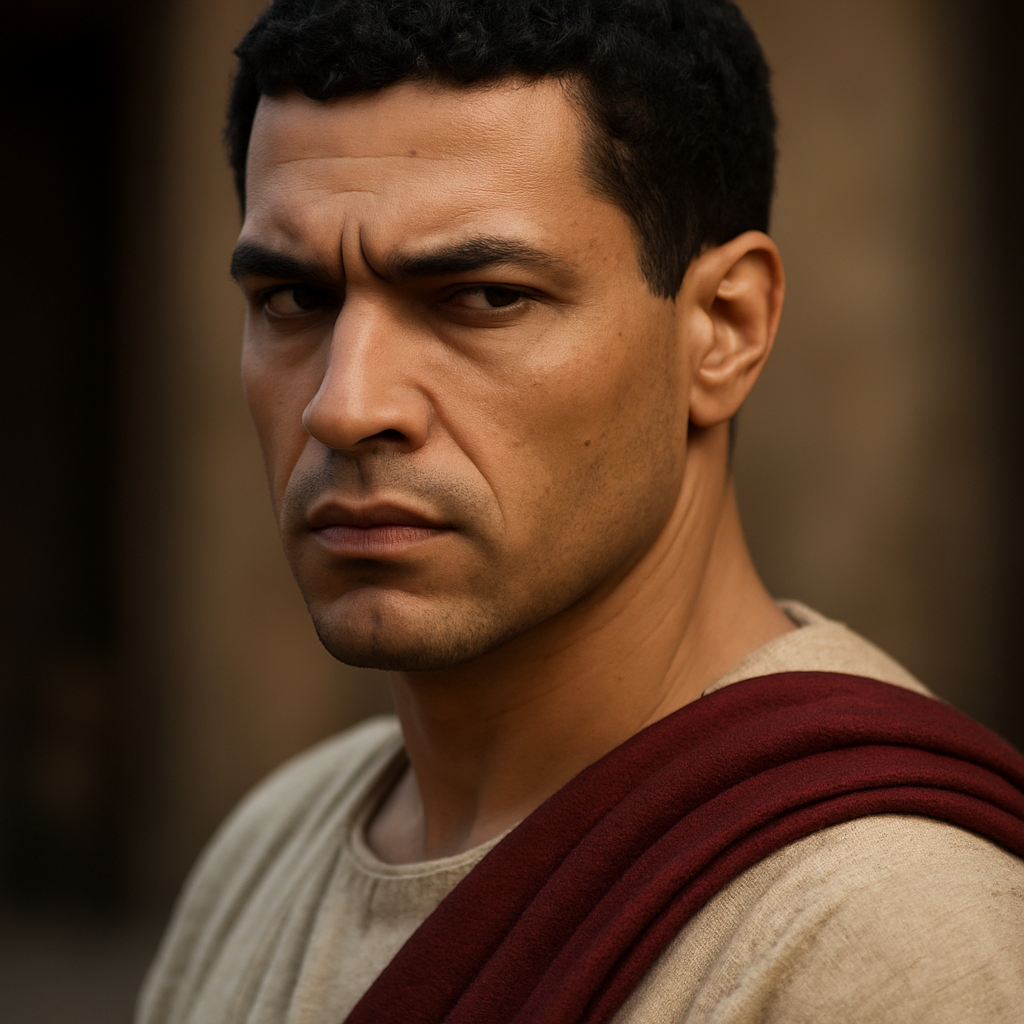 CascaWe first meet Casca as a sharp-tongued Roman aristocrat who’s unimpressed by the street celebrations and quick to mock the crowd’s fawning over Caesar. He bluntly recounts how Antony offered Caesar a crown and how Caesar played to the people, and later he’s spooked by strange omens in the night, which he treats as serious warnings. His dryness and plain speaking make him a useful barometer for how uneasy Rome feels.
 CalpurniaWe first meet Calpurnia as Julius Caesar’s wife during the festivities, poised and respectful in public. At home she’s attentive and anxious, unnerved by bad dreams and omens, and she pleads with Caesar to be careful—showing how fiercely she wants to keep him safe.
 Decius BrutusWe meet him as a poised Roman noble moving in Caesar’s circle, the kind of man who speaks smoothly and is used to being listened to. Early on, he’s valued for his tact and quick wit—especially his knack for turning bad omens into reassuring talk—and others look to him to coax Caesar where polite words are needed.
 SoothsayerWe first meet him in the crowded festival scene when he calls out to Caesar with a blunt warning: “Beware the Ides of March.” He’s a streetwise Roman soothsayer—part eccentric, part unsettling—whose sudden interruption puts everyone on edge and hints that all the celebration might not be as safe as it seems.
 ArtemidorusWe meet Artemidorus as a learned teacher who knows the city’s movers and shakers a bit too well. Clutching a letter, he anxiously stations himself on Caesar’s route, desperate to press a plainspoken warning into the great man’s hand before it’s too late.
 CiceroWhen we first meet Cicero, he’s an elder senator strolling through a violent storm, unruffled and sharp-tongued. He’s the kind of respected old hand whose measured words make people pause, reminding others not to read every omen the same way they do.
 LepidusWhen we first meet Lepidus, he’s a high‑ranking Roman ally of Mark Antony and young Octavius, brought in to steady the leadership after Caesar’s fall; he’s the third man at the table as they quietly sort out who’s in and who’s out. He matters because his old family name and office give their new alliance heft, even if the others don’t seem to treat him as an equal.
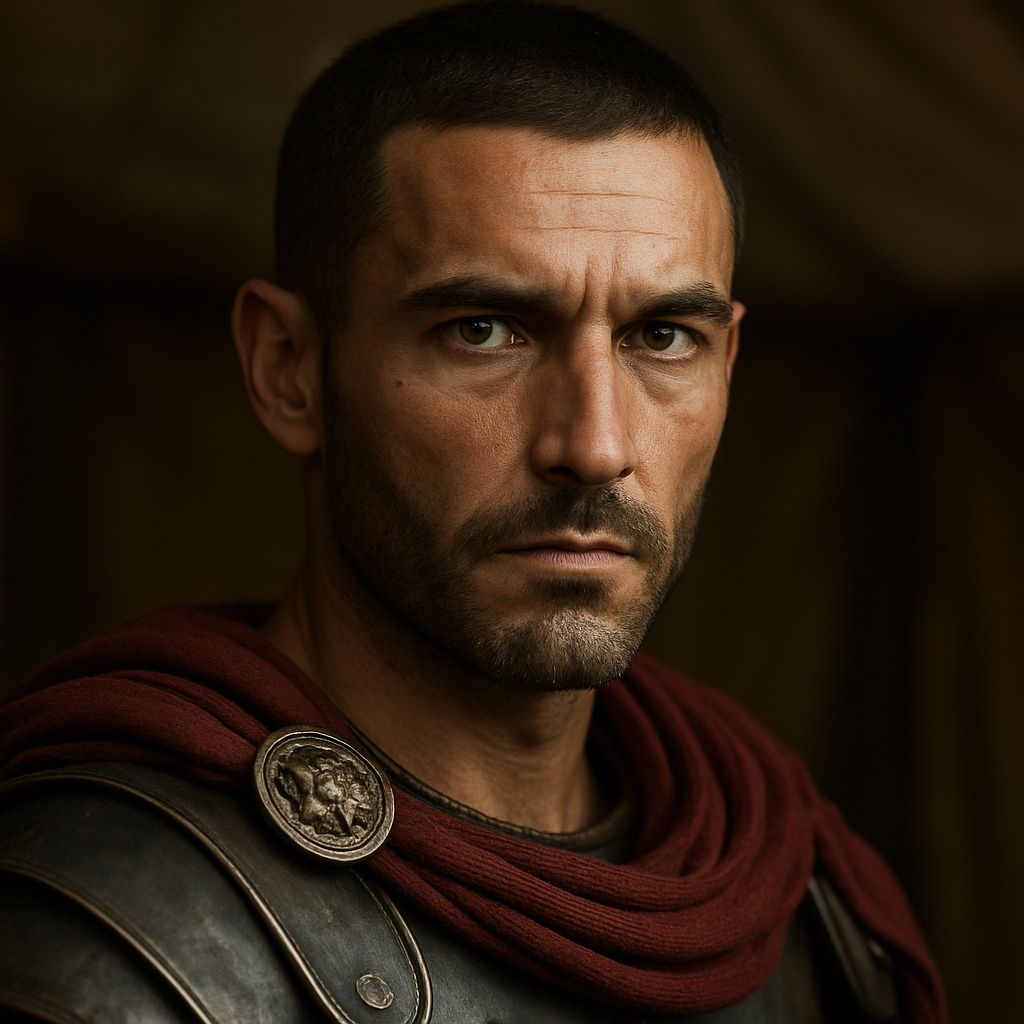 TitiniusWhen we first meet Titinius, he’s a trusted Roman officer moving between leaders’ tents, carrying messages and gauging the mood of the troops. He matters because the generals rely on his eyes and steadiness when tempers run hot and information is thin.
 PindarusYou first meet Pindarus as Cassius’s trusted bondsman, the kind of alert attendant who’s always within earshot when orders are given. He matters because he scouts, carries messages, and quietly keeps Cassius informed when tensions are high around the camp.
 LuciliusLucilius is a loyal officer in Brutus’s circle, the kind of steady-handed aide you send ahead to take the temperature of allies and report back plainly. When we first meet him, he comes across as calm, dutiful, and frank—more soldier than courtier, and clearly trusted.
 Young CatoWhen we first meet him, he’s a brave young Roman noble fighting on Brutus’s side, proud of his family name and eager to prove his courage. He talks boldly and moves quickly toward danger, the kind of loyal comrade who tries to stiffen everyone’s resolve before the clash.
 TreboniusWhen we first meet him, he’s a sober, tactful Roman statesman who moves easily among the city’s power players. He keeps his voice low, pays attention, and proves useful in tense moments—especially when someone needs to be quietly steered aside or a plan handled without fuss.
 Metellus CimberMetellus Cimber is a Roman statesman moving in Brutus and Cassius’s circle when we first meet him. He’s courteous and deliberate, known for pressing a respectful petition to Caesar on behalf of his banished brother, which puts him in the thick of Rome’s tense political crowd.
 Cinna the PoetCinna is a working poet in Rome, moving through the city with a writer’s curiosity just as the streets grow tense and noisy. When we meet him, he’s simply trying to get where he’s going, but his name and profession pull unwanted attention in a crowd that’s itching for answers.
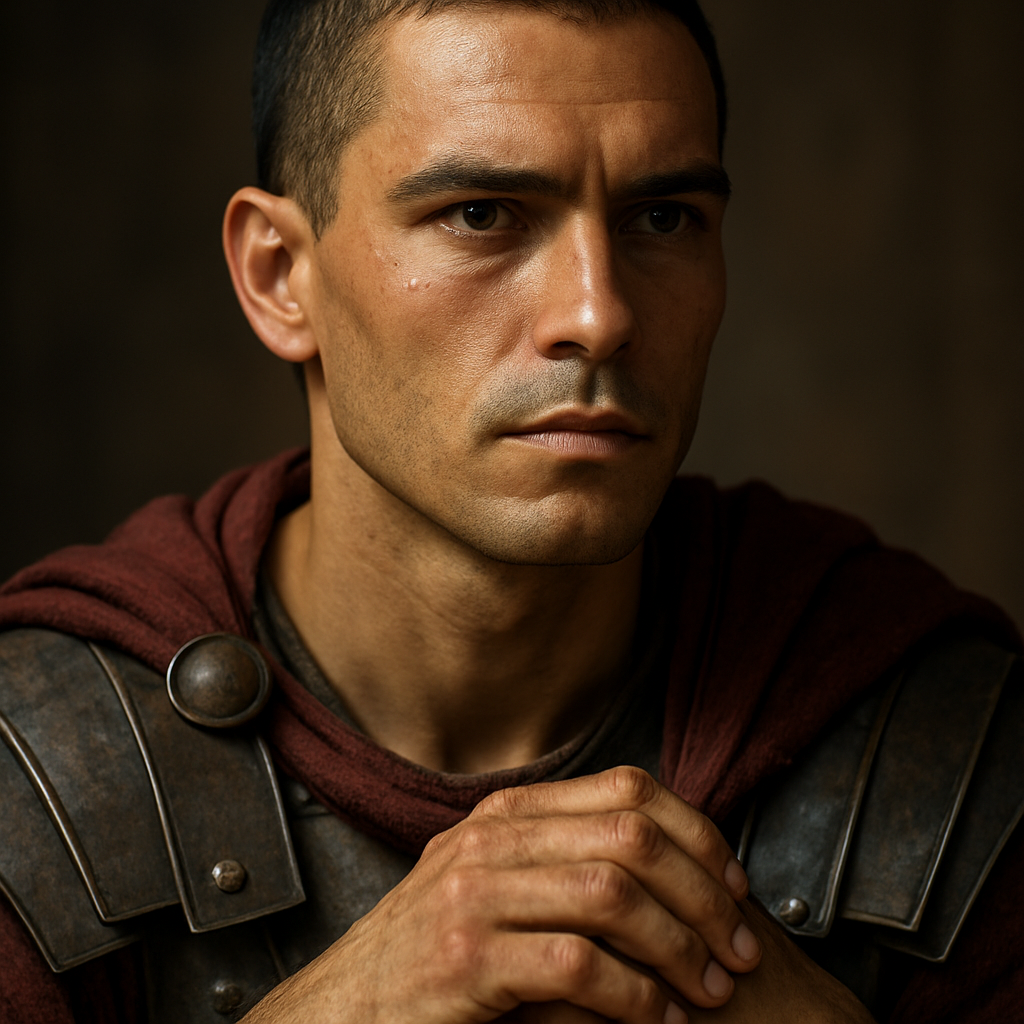 StratoWhen you first meet Strato, he’s one of Brutus’s quiet, reliable attendants in camp, the kind of soldier who listens more than he speaks. He matters because Brutus trusts his calm presence during tense moments and keeps him close.
 LuciusWe first meet Lucius as Brutus’s sleepy but eager young servant, roused at odd hours to fetch lights, deliver notes, and soothe his master with music. He’s gentle, dutiful, and quietly affectionate—the kind of boy who nods off on a stool yet springs up the moment he’s called, making Brutus’s troubled household feel human.
Study guide
Summaries and analysis of all 16 chapters, and profiles of 27 characters, illustrated with scenes from the book.
Themes
- power
- ambition
- loyalty
- rhetoric
- fate vs choice
- public vs private
Why Read Julius Caesar?
Read Julius Caesar to study how political decisions are made and justified when loyalty, fear and ambition collide. The play dramatizes the mechanics of persuasion—how speeches, rumors and symbols shape crowds and policy—and shows how personal conscience can both dignify and paralyze public action. Its tight structure makes complex arguments feel immediate: conversations in small rooms echo in public squares.
Beyond politics, the play is a masterclass in concise character work and rhetoric. Shakespeare’s language gives energetic speeches and memorable turns of phrase that reward close reading or performance. For modern readers and citizens, Julius Caesar offers a compact, dramatic way to think about leadership, legitimacy and the risks of acting on uncertain motives—issues that remain urgent in any era.
Experience Julius Caesar on Book2Life
Read with AI-generated visuals, character portraits, audio narration, smart summaries, and more — free in your browser and on iPhone.