Don Quixote Chapter 18 Summary
Sancho’s Counsel and the Sheep Battle
Sancho urges retreat after his beating; Don Quixote mistakes two flocks for opposing armies and charges, is pelted and wounded, and they leave together.
Summary
Sancho Panza arrives exhausted after being mistreated at the inn and debates with Don Quixote about continuing their adventures. Sancho argues the attackers were ordinary men (even naming Pedro Martinez, Tenorio Hernandez, and Juan Palomeque the Left-handed) and advises returning home to tend harvest and common sense; Don Quixote insists on patience and the honor of pursuing knighthood. They reconcile about fortune, swords and the rewards of chivalry, and Sancho expresses the practical cost of their travels.
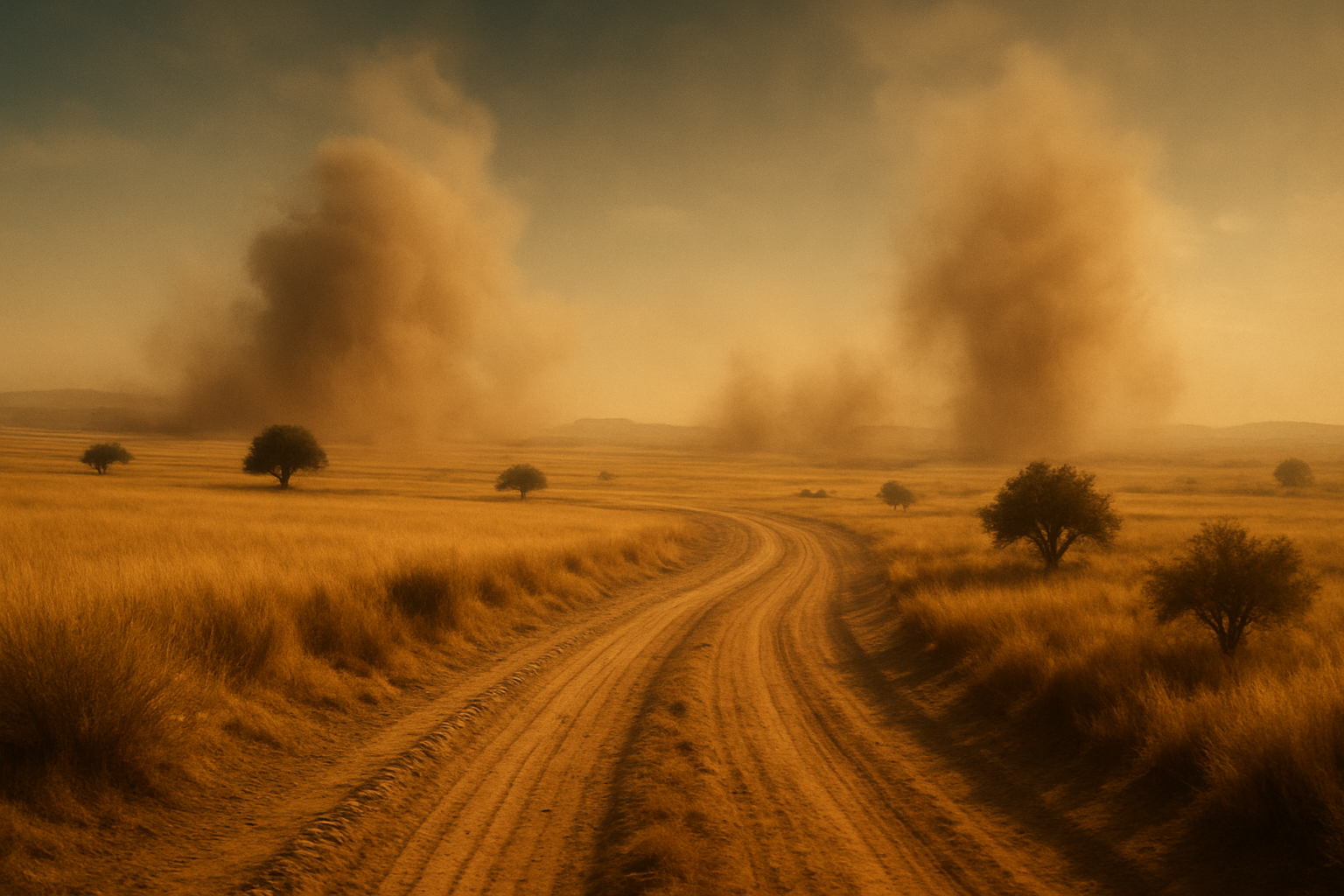
Walking on, Don Quixote sights two rising clouds of dust and interprets them as two vast armies preparing for battle. He composes an elaborate roster of imaginary knights, nations, and heraldry (naming figures such as Alifanfaron, Pentapolin, Laurcalco, Micocolembo, Brandabarbaran de Boliche, Timonel of Carcajona, Pierres Papin, Espartafilardo del Bosque, Miaulina, and others) and urges Sancho to join him in aiding one side. Sancho recognizes the clouds as droves of sheep and pleads with his master to stop, but Don Quixote charges regardless. He spears sheep, is pelted by shepherds with stones and almonds, knocked from Rocinante, and believed to be dead; the shepherds flee with their flock after thinking him slain. Sancho tends to his master, discovers Don Quixote battered and vomiting the remains of the balsam from his flask into Sancho’s beard, and nearly abandons him in disgust and desperation. Despite missing alforjas and teeth, Don Quixote comforts Sancho with sermons on providence; Sancho leads the way to find shelter as Don Quixote instructs him to count the missing teeth, setting up a promise that Sancho will tell a tale in the following chapter.
Key events
- Sancho recounts and names his attackers, urging they return home.
- Don Quixote insists on chivalric duty and dreams of enchanted swords.
- Two clouds of dust are mistaken for opposing armies; Don Quixote imagines many knights and nations.
- Don Quixote charges the flocks, is pelted by shepherds, knocked from Rocinante and wounded.
- Sancho tends the injured Don Quixote; balsam vomit soils Sancho and confirms the foolhardy turn.
- They reconcile briefly; Don Quixote consoles Sancho and asks him to lead on to shelter.
Chapter 18 in pictures


Analysis
This chapter reinforces the central contrast between Don Quixote’s idealism and Sancho’s practicality. Don Quixote’s misperception of sheep as armies dramatizes his total immersion in chivalric fiction: he not only interprets the world through books but verbally constructs elaborate heraldry and multinational rosters that reveal the depth of his obsessive reading. Sancho functions as grounding comic foil and moral realist, naming actual men who abused him and tallying concrete losses (alforjas, teeth) to emphasize material consequences. The episode of the charge underscores recurrent themes: the clash of imagination and reality, the social consequences of delusion, and the vulnerability of the two protagonists who remain loyal despite repeated humiliations.
Structurally, the chapter cycles from a domestic, persuasive conversation to farcical action, then to aftermath and mutual consolation, maintaining the novel’s rhythm of rhetoric followed by misadventure. Symbolically, the clouds of dust represent how collective perception is shaped—Don Quixote’s narration imposes order and meaning on random phenomena. The balsam episode provides comic physicality and also momentarily exposes Don Quixote’s fallibility (and Sancho’s revulsion), while the counting of teeth literalizes the losses incurred in their quest. Narratively, Cervantes mixes direct speech, imaginative lists, and a quasi-epic catalogue to parody chivalric conventions while deepening character dynamics.
Important quotes
“I have now come to the conclusion, good Sancho, that this castle or inn is beyond a doubt enchanted, because those who have so atrociously diverted themselves with thee, what can they be but phantoms or beings of another world?”
Don QuixoteDon Quixote explains his belief that enchantment, not ordinary men, caused Sancho's mistreatment at the inn.
“I hear nothing but a great bleating of ewes and sheep,”
Sancho PanzaSancho argues calmly that the dust clouds are flocks, not armies, foreshadowing Don Quixote's misguided charge.
“That knight whom thou seest yonder in yellow armour, who bears upon his shield a lion crowned crouching at the feet of a damsel, is the valiant Laurcalco, lord of the Silver Bridge;”
Don QuixoteExample of Don Quixote inventing detailed knights and heraldry as he interprets two flocks as opposing armies.
Characters in Chapter 18
- Sancho Panza
- Don Quixote
- Rocinante
- Pedro Martinez
- Tenorio Hernandez
- Juan Palomeque the Left-handed
- Alifanfaron
- Pentapolin
- Laurcalco
- Micocolembo
- Brandabarbaran de Boliche
- Timonel of Carcajona
- Pierres Papin
- Espartafilardo del Bosque
- Miaulina
- Alfeniquen
- shepherds
All chapter summaries ›Characters ›
Read Don Quixote illustrated
Every scene in these notes comes from the Book2Life reader, where the full public-domain text is illustrated as you read, with character portraits and narration. Free in your browser and on iPhone.
