
Abraham Van Helsing in Dracula
Major character
A Dutch physician and polymath who leads the group against Dracula, combining medical science, folklore, and moral authority.
Who is Abraham Van Helsing?
Professor Abraham Van Helsing arrives as an expert called in for Lucy Westenra’s baffling illness and quickly becomes the intellectual and spiritual leader of the friends. He wants to identify and destroy the cause of the uncanny attacks and to protect the living—especially Mina and Lucy’s circle—from further harm. Using a mix of clinical measures (blood transfusions, observation), folk remedies (garlic, crucifixes, the Sacred Wafer), and investigative rigor, he organizes the group’s watches, proposes and directs the graveyard interventions, and plans the international pursuit to Varna and Transylvania. Van Helsing instructs, comforts, and sometimes withholds difficult truths to marshal the men’s consent for extreme measures (Lucy’s mutilation, the destruction of earth-boxes). He also conducts Mina’s hypnotic sessions to track Dracula and interprets the evidence that links children’s throat wounds, Renfield’s behavior, and the Count’s movements. Throughout, Van Helsing balances scientific method with religious and folkloric knowledge to forge a strategy to locate and annihilate the source of the menace.
In the book: A renowned Dutch physician and polymath, Van Helsing arrives as a trusted mentor whose keen intelligence and wide learning—spanning modern medicine and old folklore—help the protagonists diagnose the uncanny threat they face. He organizes their efforts, provides ethical resolve and practical strategy, and becomes the guiding force who unites science, faith, and courage in the struggle at the heart of the story, without overshadowing the personal stakes of his companions.
Personality
- Erudite
- He returns to Amsterdam for books and supplies (Ch. 10) and lectures the group on vampiric nature and methods in Seward’s study (Ch. 18).
- Decisive
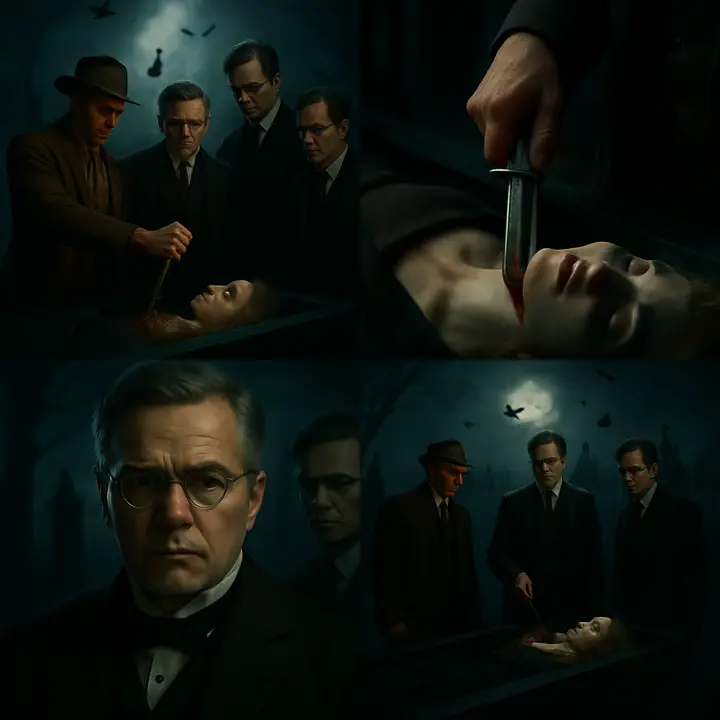
- He proposes and carries out the radical plan to open Lucy’s tomb and later to allow Arthur to drive the stake through her heart (Ch. 15–16).
- Practical
- He organizes blood transfusions for Lucy, places garlic and a wafer, and outfits the men with crucifixes, lamps, and the Sacred Wafer for the Piccadilly search (Ch. 10; Ch. 19; Ch. 22).
- Authoritative
- He insists on secrecy about Lucy’s case, wins Arthur’s consent for unusual measures, and binds the men to a solemn compact to pursue the enemy (Ch. 10; Ch. 15; Ch. 23).
- Compassionate
- He counsels Mina, comforts Jonathan, and accepts responsibility for protecting Mina while involving her in the documentary work and hypnotic tests (Ch. 14; Ch. 17; Ch. 24).
Character arc
At first appearance Van Helsing is summoned as a learned physician to diagnose Lucy’s inexplicable anaemia; he responds with medical interventions and careful secrecy (Ch. 10–11). As baffling signs mount—puncture wounds, sleep-walking, laudanum-stupified servants—Van Helsing shifts from clinician to leader of a covert campaign, combining folk remedies with surgical acts (the transfusions, garlic wreaths, and the sealing of Lucy’s tomb) and ultimately ordering and supervising the post-mortem mutilation meant to prevent further harm (Ch. 12–13, 15). When Lucy reappears as an Un-Dead, he explains the monstrous nature of the threat and organizes the men to confront and destroy her vampiric form, guiding them through the moral strain of mercy-killing (Ch. 15–16). He broadens the fight into an international pursuit—tracing Dracula’s earth-boxes, planning legal-appearing entries, and leading the expedition to Varna and the chase inland—while protecting Mina by hypnotic interrogation and spiritual safeguards (Ch. 19–27). Throughout, Van Helsing remains consistent in purpose and intensity: he does not undergo a personal conversion so much as extend and deepen his role from diagnostician to the moral and tactical heart of the campaign, balancing scientific method, faith, and humane concern until the Count is confronted in Transylvania.
Abraham Van Helsing in pictures


Relationships
- Dr. Seward Professional colleague and confidant who records and acts on Van Helsing’s counsel throughout the investigation.
- Lucy Westenra Patient and tragic focus of Van Helsing’s medical, spiritual, and ultimately mortuary interventions.
- Mina Harker Trusted ally whom he protects, praises, hypnotises for intelligence-gathering, and whom he instructs spiritually and medically.
- Jonathan Harker Respected comrade whose rehabilitation and active pursuit Van Helsing supports and whose journal he studies to plan strategy.
- Arthur Holmwood Grieving friend and nobleman whom Van Helsing persuades to consent to the grim actions necessary for Lucy’s release.
- Quincey Morris Fellow fighter whose practical courage Van Helsing directs as part of the group’s field operations.
Quotes by Abraham Van Helsing
“It is not yet too late! Quick! quick! Bring the brandy!”
Chapter 12Van Helsing bursts into decisive action upon seeing Lucy’s condition and orders brandy to revive her.
“A brave man’s blood is the best thing on this earth when a woman is in trouble.”
Chapter 12Van Helsing praises Quincey Morris’s offered transfusion, linking masculine sacrifice to Lucy’s survival.
“I want to cut off her head and take out her heart.”
Chapter 13Van Helsing shocks Seward by outlining his plan for a secret post-mortem procedure to protect against dangers he will only hint at.
“It is too late—or too early. See!”
Chapter 13Van Helsing returns the crucifix he had placed on Lucy after recovering it from the thief, declaring that timing has altered their plan.
“It is on account of the dead I come.”
Chapter 14Van Helsing explains his purpose for visiting Mina: he has come because of matters connected with the dead Lucy Westenra.
“Strange and terrible as it is, it is true! I will pledge my life on it.”
Chapter 14Van Helsing reassures Mina, after reading Jonathan’s diary, that Jonathan’s account is true and that he believes the events actually occurred.
Why Abraham Van Helsing matters
Van Helsing embodies the novel’s central synthesis of reason and faith: he treats the vampire threat with clinical observation and disciplined procedure while invoking religious and folkloric remedies that science alone cannot offer. His leadership models ethical resolve—willing to authorize painful, morally fraught measures to prevent greater harm—and insists on secrecy, ritual, and solidarity among the friends. Through Van Helsing, the book explores limits of empirical knowledge, the necessity of moral action in the face of monstrous otherness, and the value of cooperation across professions and beliefs to confront a crisis that transcends normal categories.
Chapters with Abraham Van Helsing
More Dracula characters
 Jonathan HarkerProtagonist
 Mina HarkerMajor character
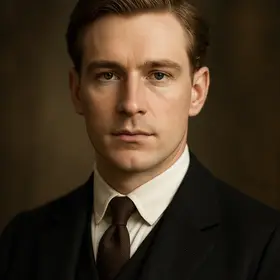 Arthur HolmwoodMajor character
 Lucy WestenraMajor character
 Count DraculaAntagonist
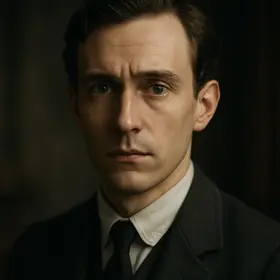 John SewardMajor character
 Quincey MorrisMajor character
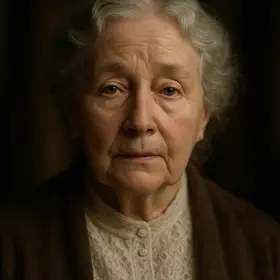 Mrs. WestenraMinor character
All chapter summaries ›Characters ›
Read Dracula illustrated
Every scene in these notes comes from the Book2Life reader, where the full public-domain text is illustrated as you read, with character portraits and narration. Free in your browser and on iPhone.
