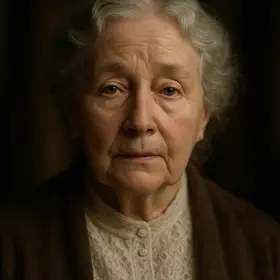
Mrs. Westenra in Dracula
Minor character
Lucy Westenra’s widowed mother, a genteel, anxious Victorian matron whose frailty and protective instincts shape household responses to Lucy’s illness.
Who is Mrs. Westenra?
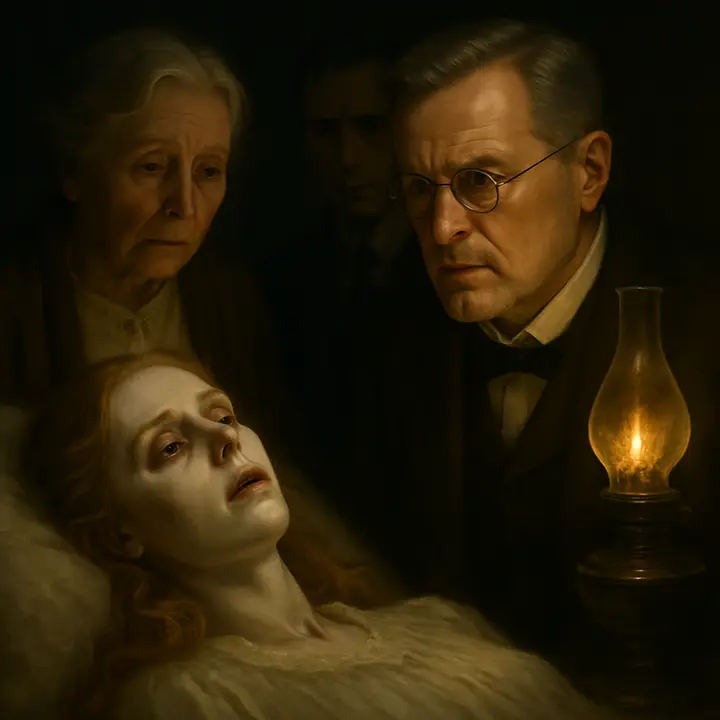
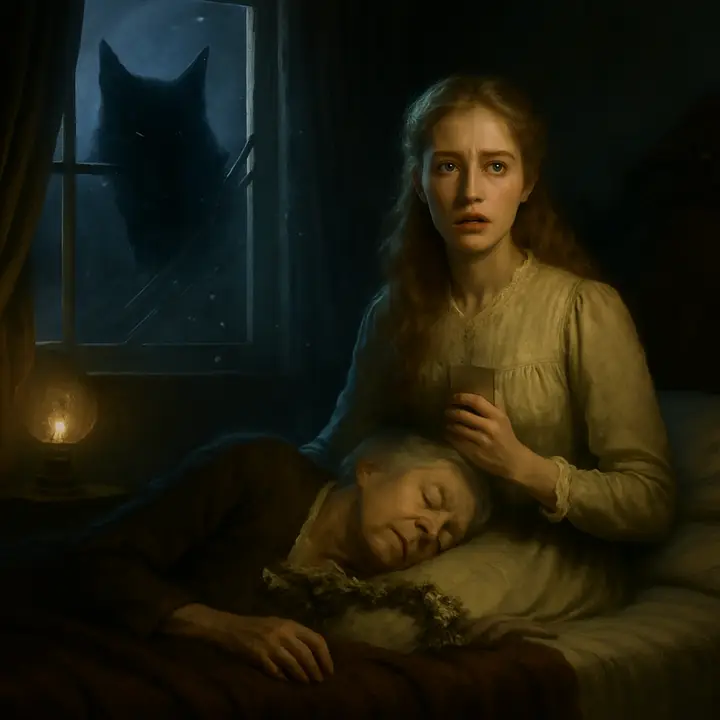
Mrs. Westenra is the widowed mother of Lucy Westenra who presides over the Hillingham household with genteel anxiety and a fragile constitution. Her chief aim is to protect Lucy’s reputation and preserve domestic tranquility, so she responds to crises primarily by shielding Lucy and following conventional remedies and social proprieties. Throughout Lucy’s mysterious decline she makes well-meaning but often mistaken decisions—most notably removing Van Helsing’s strong-smelling protective flowers—because she fears scandal and the strain on her own weak health. Her misreading of events and insistence on maintaining propriety complicate the medical and supernatural investigation led by Van Helsing and Dr. Seward. In the night when Lucy is critically attacked, Mrs. Westenra is found apparently dead on her bed after the household servants have been drugged; her death precipitates the secretive measures the men take (including a burial kept simple so mother and daughter may be interred together). Though she is not active in the central investigation, her presence and actions shape the domestic context and immediate responses to Lucy’s illness.
In the book: Mrs. Westenra is Lucy Westenra’s widowed mother, a genteel Victorian matron whose fragile health and anxious protectiveness shape key household decisions during Lucy’s mysterious illness. Well-meaning but ill-informed, she often misreads the dangers around her, which complicates the efforts of the doctors and friends trying to help. Through her, the story explores themes of maternal care, social propriety, and the limits of conventional understanding when confronted with the uncanny, making her a pivotal figure in the domestic sphere of the novel’s unfolding crisis.
Personality
- Protective
- She prioritises Lucy’s reputation and health, choosing to keep the sleepwalking incident secret so as not to distress Lucy or herself (Chapter 8).
- Fragile
- Her delicate health is repeatedly cited as a reason to conceal alarming events and to avoid frightening her, influencing others’ decisions (Chapters 8, 11).
- Conventional
- She removes Van Helsing’s prescribed flowers from Lucy’s room, trusting ordinary domestic judgment over the Professor’s urgent precautions (Chapter 11).
- Ill-informed
- Her misreading of the danger—such as taking away protective items—directly undermines Van Helsing’s medical-supernatural measures (Chapter 11).
- Maternal
- Her priority is to be with and comfort Lucy; she is found beside her daughter in the night and is buried with her to keep the pair together (Chapters 12–13).
Character arc
Mrs. Westenra’s presence in the narrative moves from a background figure of maternal domesticity to a catalyst for crisis resolution by virtue of her frailty and choices. Early on she appears as a genteel widow whose anxieties about scandal and her own health lead her to protect Lucy by secrecy—Mina deliberately conceals Lucy’s sleepwalking to spare Mrs. Westenra distress (Chapter 8). As Lucy’s condition worsens, Mrs. Westenra’s conventional instincts conflict with Van Helsing’s urgent, unconventional remedies: she removes the Professor’s flowers, unintentionally weakening precautions (Chapter 11). During the climactic night of attack she is found apparently dead and stupified alongside Lucy after the servants are drugged, an outcome that forces Van Helsing and Seward into decisive emergency measures and legal maneuvering (Chapter 12). Her death leads directly to the guarded, private funeral and the extraordinary surgical plan Van Helsing proposes (Chapter 13). Though she does not undergo a moral transformation or gain new understanding, her arc functions narratively: her deterioration and death concretely escalate the stakes, prompt secrecy, and focus the men’s resolve to confront what ordinary knowledge cannot explain.
Mrs. Westenra in pictures
Relationships
- Lucy Westenra Her daughter; Mrs. Westenra is devoted, protective, and ultimately buried with Lucy to keep them together (Chapters 8, 12–13).
- Arthur Holmwood Arthur, Lucy’s fiancé, interacts with the household during Lucy’s illness; Mrs. Westenra shares the household’s grief and dependence on his support (Chapters 10–13).
- Dr. Seward Seward attends Lucy medically and records Mrs. Westenra’s condition and the household events, finding her fragility a reason for secrecy (Chapters 11–13).
- Abraham Van Helsing Van Helsing’s urgent protective measures clash with Mrs. Westenra’s conventional actions (e.g., removing flowers), and he must manage the household’s delicate state (Chapters 11–13).
- Mina Harker Mina shields Mrs. Westenra from alarming truths (keeping Lucy’s sleepwalking secret) to spare her distress and preserve domestic calm (Chapter 8).
Why Mrs. Westenra matters
Mrs. Westenra embodies the limits of Victorian domestic reason when faced with the uncanny: her maternal care and concern for propriety lead her to choices that inadvertently undermine specialized, unconventional interventions. She highlights the tension between private domestic values and the extraordinary demands of Van Helsing’s investigation, and her frailty and death dramatise how ordinary social conventions can be inadequate in crisis. Narratively, she deepens the novel’s exploration of maternal love, social appearance, and the vulnerability of traditional domestic authority in the face of a supernatural threat.
Chapters with Mrs. Westenra
More Dracula characters
 Jonathan HarkerProtagonist
 Mina HarkerMajor character
 Arthur HolmwoodMajor character
 Lucy WestenraMajor character
 Count DraculaAntagonist
 Abraham Van HelsingMajor character
 John SewardMajor character
 Quincey MorrisMajor character
All chapter summaries ›Characters ›
Read Dracula illustrated
Every scene in these notes comes from the Book2Life reader, where the full public-domain text is illustrated as you read, with character portraits and narration. Free in your browser and on iPhone.
