Mrs. Bates in Emma
Minor character
An elderly, deaf, gently respectable neighbour who presides quietly over her modest household in Highbury.
Who is Mrs. Bates?
Mrs. Bates is an elderly, kindly, and somewhat deaf resident of Highbury who receives visitors in a modest sitting-room alongside her talkative daughter, Miss Bates. She occupies a quiet domestic place in the town’s social network: neighbours call, letters about relatives arrive, and the household becomes a small stage for the comings and goings of younger people. Mrs. Bates does not drive events but embodies the town’s routine civility—receiving Emma and Harriet, listening to Miss Bates read Jane Fairfax’s letter, and accepting the attentions of well-wishers such as Mr. Weston and Frank Churchill. She appears dozing by the fire, knitting and contented with simple comforts, and requires small practical help now and then (for example when Frank Churchill fusses over her spectacles). Her presence repeatedly prompts social visits, conversation about Jane Fairfax, and invitations, contributing to Highbury’s interlaced network of obligation and kindness.
Personality
- Kind
- She receives Emma and Harriet with warm, bustling hospitality in her modest drawing-room (Chapter 1).
- Deaf
- She sits knitting in the warmest corner and the conversation has to accommodate her limited hearing during the visit (Chapter 1).
- Domestic
- She is described dozing by the fire and presiding over small household comforts while visitors examine Jane’s new pianoforte (Chapter 10).
- Respectable
- Her presence and conversation form part of Mr. Woodhouse’s dependable second circle of visitors, marking her social steadiness (Chapter 3).
- Accepting
- She permits Frank Churchill to fuss over her spectacles and to arrange the room without protest (Chapter 10).
Character arc
Mrs. Bates remains essentially the same from her first brief appearance to her later scenes: a quiet, respectable matriarch whose domestic habits and limitations shape how others behave around her. Early on she receives visits while sitting knitting, listens as Miss Bates reads Jane Fairfax’s letter, and provides the gentle background to social exchanges. Across later chapters she continues in this role—hosting visitors when Emma and Mrs. Weston call to see Jane’s pianoforte, dozing by the fire, and accepting practical help such as Frank Churchill’s attention to her spectacles. She neither instigates change nor undergoes personal transformation; instead, her steadiness highlights the flurries of energy and self-interest in younger characters. Her constancy also allows other characters’ manners, anxieties, and schemes to be displayed—the town rallies around her household as part of ordinary civility, and she functions as a social anchor rather than a participant in major shifts.
Relationships
- Miss Bates Her talkative daughter who reads letters aloud and organizes visits; they run a modest, hospitable household together.
- Jane Fairfax The niece whose letter and wellbeing are frequent topics of conversation in Mrs. Bates’s house.
- Emma Woodhouse A neighbour who visits Mrs. Bates’s sitting-room and manages social interactions there with mixed impatience and courtesy.
- Frank Churchill A fashionable young visitor who fusses over Mrs. Bates’s spectacles and the household during calls.
- Mr. Woodhouse A fellow Highbury elder whose early-evening habits and social circle include Mrs. Bates as a dependable visitor.
- Mrs. Weston A frequent visitor who attends the Bateses’ house with Emma to hear Jane play her new pianoforte.
Why Mrs. Bates matters
Mrs. Bates embodies Highbury’s domestic stability, neighbourliness, and the gentle obligations that bind the community. As a quiet, respectable presence whose household occasions visits and gossip, she helps stage scenes that reveal other characters’ manners, anxieties, and pretensions. Her steadiness and need for simple care contrast with the ambitions and self-consciousness of younger figures, underlining themes of social duty, small-town intimacy, and the moral texture of daily life that Austen examines through these ordinary interactions.
Chapters with Mrs. Bates
More Emma characters
 Emma WoodhouseProtagonist
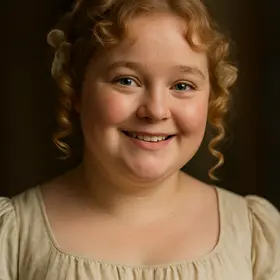 Harriet SmithMajor character
 Frank ChurchillMajor character
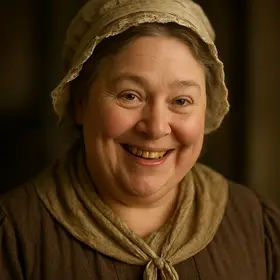 Miss BatesMajor character
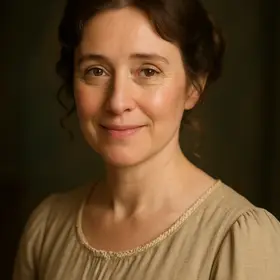 Mrs WestonMajor character
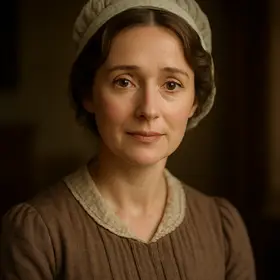 Isabella KnightleyMajor character
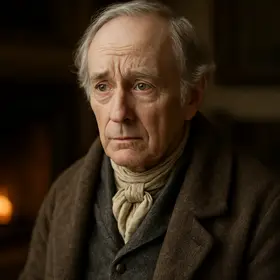 Mr WoodhouseMajor character
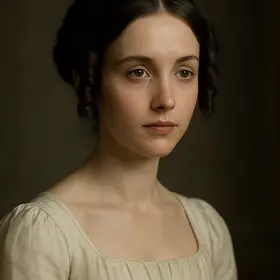 Jane FairfaxMajor character
All chapter summaries ›Characters ›
Read Emma illustrated
Every scene in these notes comes from the Book2Life reader, where the full public-domain text is illustrated as you read, with character portraits and narration. Free in your browser and on iPhone.
