Frankenstein Letter 4 Summary
Rescue and Confession Begin
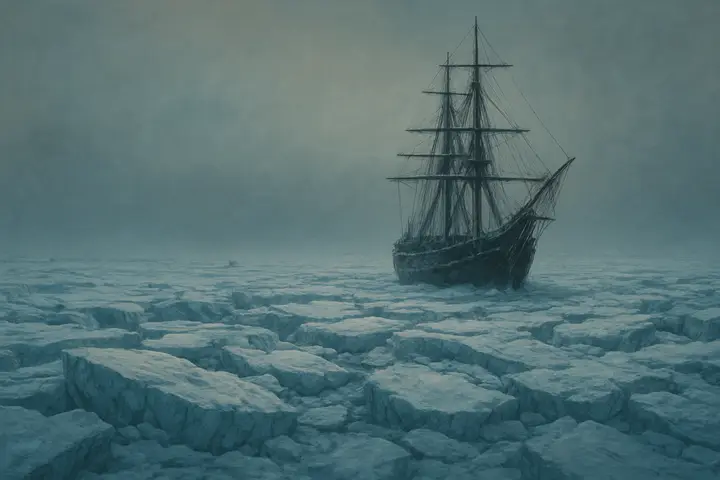
Walton's ship rescues a half-frozen stranger from the ice, who promises to tell his tragic tale.
Summary
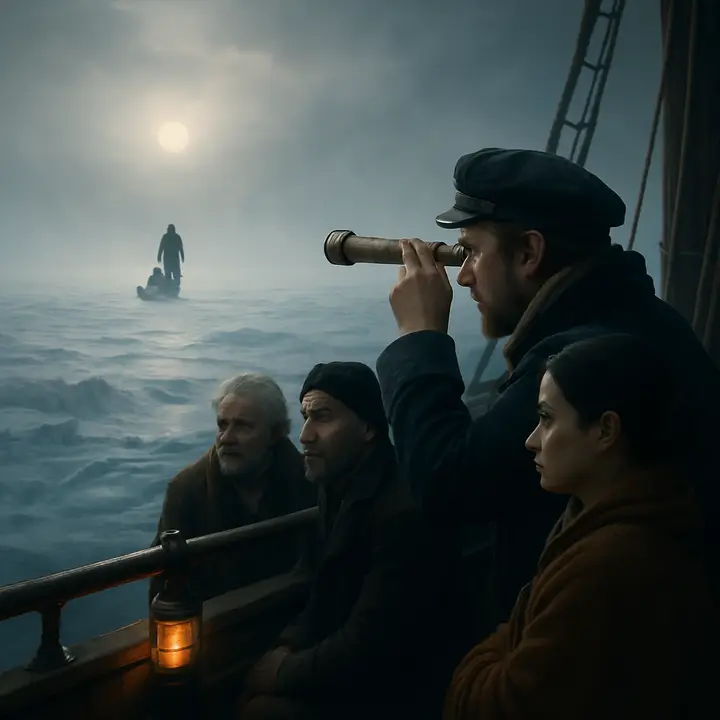
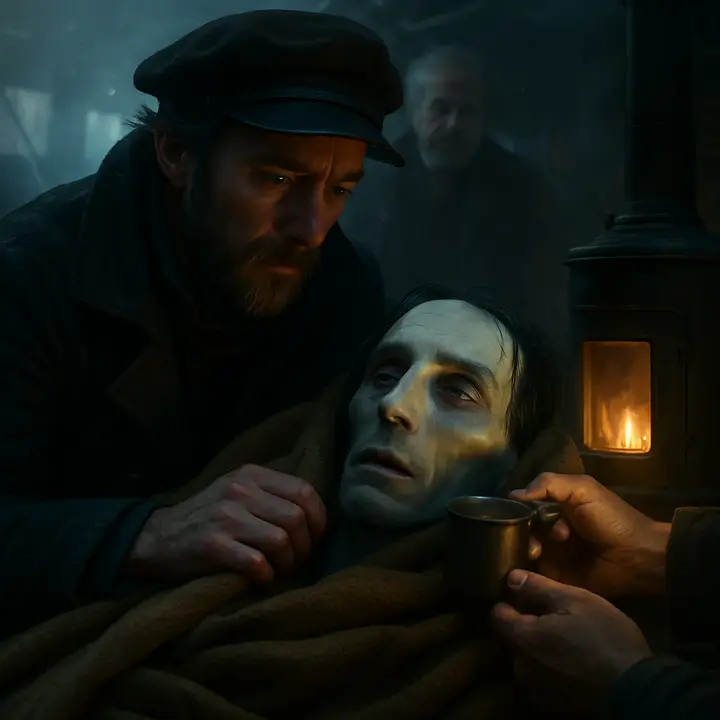
Robert Walton writes to his sister, Margaret Walton Saville, describing an extraordinary event while his Arctic expedition is trapped in ice. After a dense fog clears, the crew sights a lone man in a dog-drawn sledge crossing vast ice plains; later a second sledge drifts near their ship containing a nearly frozen European whom the sailors pull aboard. Walton tends the stranger as he slowly recovers from exhaustion, fever, and near-fatal exposure.
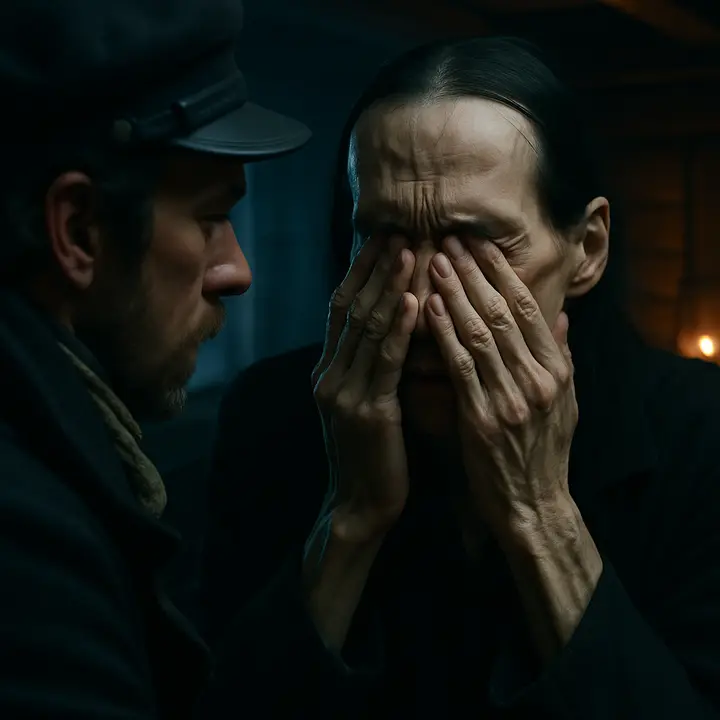
As the stranger regains strength Walton develops a strong sympathy and admiration for him. The man is melancholy, refined, and eloquent; he shows sudden, violent grief when Walton passionately describes his own ambitions for discovery and power over nature. The stranger warns Walton against a similar obsessive pursuit and offers to tell his own history as a cautionary tale. He promises to begin that narrative the next day, and Walton resolves to record it for Margaret. The letter ends with Walton's anticipation and awe at the promise of a strange and harrowing story to come.
Key events
- Ship becomes nearly surrounded by ice and fog; crew lies to.
- A man in a dog-drawn sledge is sighted moving north across the ice.
- A second sledge drifts to the ship with a single, nearly frozen European aboard.
- Walton and crew revive and shelter the stranger; he slowly recovers.
- The stranger reacts strongly to Walton's description of his ambitions and offers to relate his history.
- The stranger promises to begin his narrative the following day; Walton plans to record it.
Letter 4 in pictures
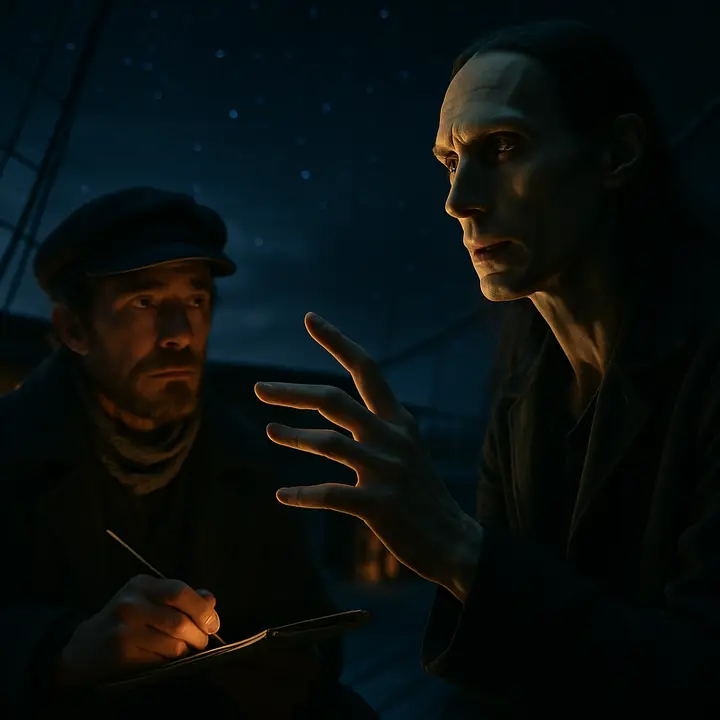
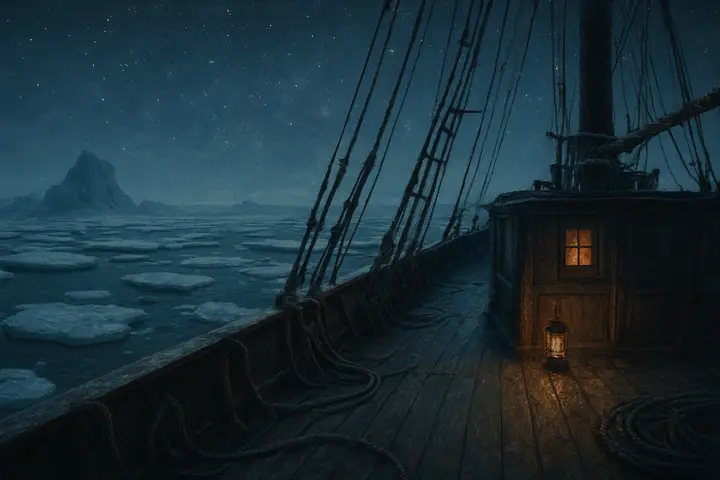
Analysis
Letter 4 functions as the hinge that brings the main narrative voice into direct contact with the central storyteller: an enigmatic, suffering stranger. Structurally it shifts the frame narrative from Walton’s isolated ambition to an intimate exchange in which Walton becomes listener and transcriber. The rescue scene introduces themes that will dominate the novel: the dangers of obsessive pursuit (Walton recognizes his own ambition in the stranger), sympathy for human suffering, and the interplay of sublime nature and human frailty—the polar ice both threatens the expedition and brings the fateful encounter.
The stranger’s demeanor—eloquent, melancholy, capable of intense feeling—foreshadows a complex moral subject whose past actions demand confession. Walton’s immediate identification with and admiration for him also establishes a pattern of reciprocal influence between narrator and narrated: Walton’s recorded voice frames the tale and is already being shaped by the stranger’s presence. The sledge and the icy wastes serve as symbolic thresholds: crossing them brings one into a moral and narrative region where ordinary rules break down. The promise of a tale that might serve as moral counsel to Walton introduces explicit didactic intent, while the letter’s tone mixes wonder and foreboding, preparing the reader for an intimate, cautionary narrative to follow.
Important quotes
“We perceived a low carriage, fixed on a sledge and drawn by dogs, pass on towards the north, at the distance of half a mile; a being which had the shape of a man, but apparently of gigantic stature, sat in the sledge and guided the dogs.”
NarratorWalton describes the first mysterious sighting of a man on the ice that foreshadows the later rescue.
“Unhappy man! Do you share my madness? Have you drunk also of the intoxicating draught? Hear me; let me reveal my tale, and you will dash the cup from your lips!”
the strangerThe stranger reacts violently to Walton's enthusiasm for dangerous knowledge and offers his narrative as a warning.
“I never saw a more interesting creature: his eyes have generally an expression of wildness, and even madness, but there are moments when, if anyone performs an act of kindness towards him... his whole countenance is lighted up, as it were, with a beam of benevolence and sweetness that I never saw equalled.”
NarratorWalton's early sympathetic, admiring portrait of the rescued man, showing both his suffering and noble qualities.
Characters in Letter 4
- Margaret Walton Saville
- Robert Walton
- the stranger
All chapter summaries ›Characters ›
Read Frankenstein illustrated
Every scene in these notes comes from the Book2Life reader, where the full public-domain text is illustrated as you read, with character portraits and narration. Free in your browser and on iPhone.
