
Robert Walton in Frankenstein
Narrator
An ambitious Arctic explorer whose framed letters introduce and close the tale; he rescues and records Victor Frankenstein's story.
Who is Robert Walton?
Robert Walton is an eager and learned seafarer who writes letters to his sister, Margaret, that frame the novel. He seeks scientific discovery and fame through a perilous polar voyage, describing years of preparation and his hope to unlock northern passages and magnetic secrets. Walton also reveals a deep loneliness: though surrounded by competent sailors he lacks a friend who shares his intellectual passions and moral sensibilities. During the expedition his crew rescues a nearly frozen Victor Frankenstein, whose melancholy and extraordinary narrative warn Walton about obsessive pursuits of knowledge. Walton nurses Victor aboard the ship, listens carefully to his confessions, and records Victor’s final hours; after Victor dies Walton witnesses the Creature’s sorrow and lament. Through his letters Walton both advances the plot—bringing Victor into the narrative—and provides reflective distance, shaping how readers encounter themes of ambition, isolation, and the costs of relentless striving.
In the book: Robert Walton is the ambitious explorer whose letters to his sister frame the novel, carrying the reader into the polar seas where he encounters Victor Frankenstein. Through Walton’s keen observations and yearning for discovery, the story’s themes of aspiration, isolation, and the costs of pursuing knowledge are introduced and echoed. His perspective provides an outer lens on the events and characters, shaping how the tale is told without being its central actor.
Personality
- ambitious
- In Letter 1 he declares his plan to reach the pole, spending six years preparing and studying sciences to achieve grand discovery.
- lonely
- In Letter 2 he confesses he lacks a friend to share intellectual passions and regrets his largely self-educated life.
- observant
- In Letter 4 he carefully tends the frozen stranger and records Victor’s physical condition and emotional reactions as he recovers.
- receptive
- When Victor offers his tale as a warning, Walton resolves to record it for his sister, showing openness to another’s testimony.
- impressionable
- In Letter 4 Walton is visibly affected when Victor reacts violently to Walton’s descriptions of ambition, prompting Walton’s awe and concern.
Character arc
Walton begins as an ardent, almost youthful seeker of fame and scientific triumph, portrayed in early letters as resolute despite occasional melancholy. His loneliness and hunger for a sympathetic companion motivate his expedition and shape the tone of his correspondence. When his ship becomes trapped in ice and he rescues Victor, Walton’s ambitions encounter a human example of catastrophic overreaching: Victor’s bitter remorse and explicit warnings confront Walton with the moral consequences of obsessive pursuit. Walton shifts from self-assertive explorer to a careful recorder and moral listener—he tends Victor, suspends his own narrative ambitions to preserve Victor’s story, and judges Victor’s life with admiration mixed with caution. By the end, after Victor’s death and the Creature’s disappearance, Walton retains his desire for discovery but the narrative voice conveys increased wariness; his role becomes that of witness and moral recipient rather than triumphant conqueror, mindful of the costs Victor describes even as he continues to narrate for his sister.
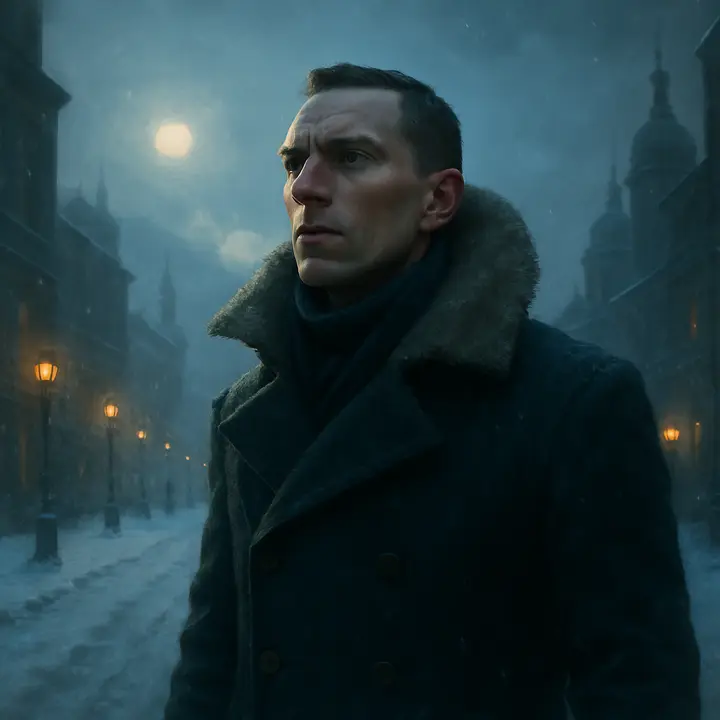
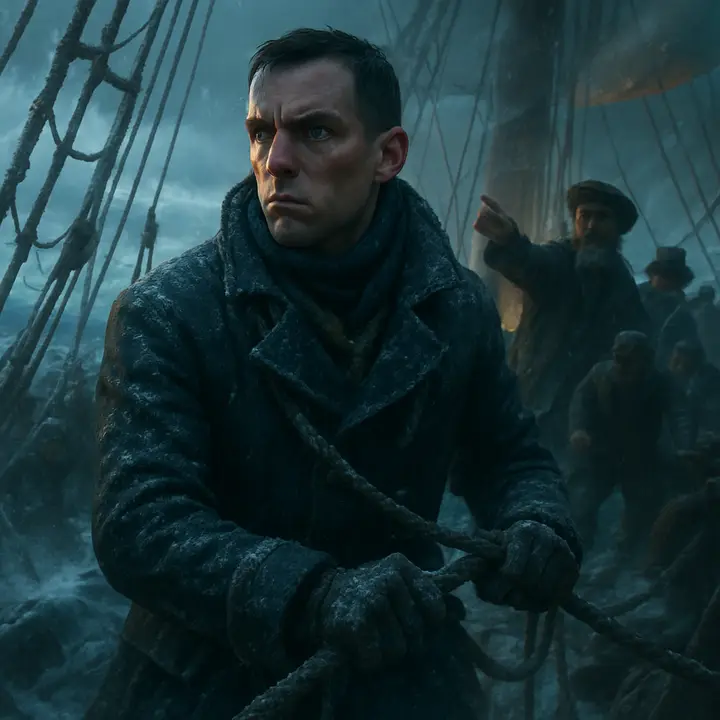
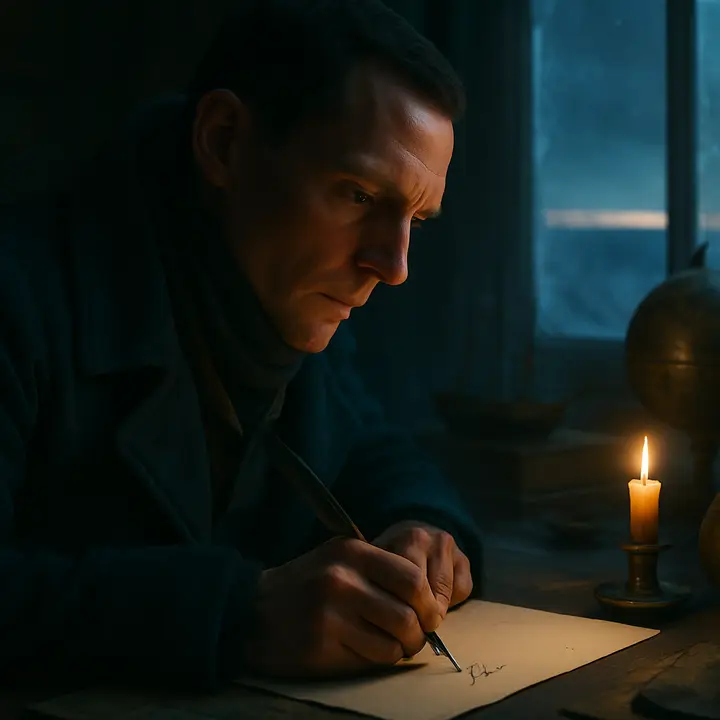
Robert Walton in pictures



Relationships
- Margaret Walton Saville His sister and the direct recipient of the letters that frame the novel; Walton writes to her throughout the voyage.
- Victor Frankenstein The rescued stranger whose confessions Walton nurses and records, and whose tragic tale profoundly influences Walton.
- The Creature A distant but crucial presence Walton observes after Victor’s death and whose final departure Walton reports.
- Henry Clerval An indirect relation through Victor’s narrative—Walton learns of Henry’s fate only through Victor’s account, not personal contact.
- Alphonse Frankenstein Appears in Walton’s record only as part of Victor’s family history; Walton learns of Alphonse through Victor’s telling.
Quotes by Robert Walton
“I feel a cold northern breeze play upon my cheeks, which braces my nerves and fills me with delight.”
Letter 1Walton describes how the northern air invigorates him and fuels his optimistic imagination of the polar regions.
“Nothing contributes so much to tranquillise the mind as a steady purpose—a point on which the soul may fix its intellectual eye.”
Letter 1He explains how his voyage gives him psychological steadiness and justifies the risks of his enterprise.
“How slowly the time passes here, encompassed as I am by frost and snow!”
Letter 2Opens the letter and establishes Walton’s remote Arctic setting and sense of confinement.
“I have no friend, Margaret: when I am glowing with the enthusiasm of success, there will be none to participate my joy;”
Letter 2Wilfully confesses deep loneliness and the central emotional need that motivates his narrative.
“I am going to unexplored regions, to “the land of mist and snow,” but I shall kill no albatross;”
Letter 2Expresses his ambition and Romantic fascination with the sublime while distancing himself from the Ancient Mariner’s guilt-laden symbolism.
“I write a few lines in haste to say that I am safe—and well advanced on my voyage.”
Letter 3Opens the letter with assurance to his sister about his safety and progress; establishes immediate, personal tone.
Why Robert Walton matters
Walton frames the novel’s exploration of ambition, isolation, and the ethical limits of knowledge: his early zeal and later receptivity create a mirror to Victor’s story. As narrator he provides narrative distance and a moral lens—his sympathy for Victor but growing caution about obsessive striving underscores Shelley’s warnings. Walton’s loneliness also amplifies the book’s theme that intellectual or heroic pursuits without empathetic companionship lead to harm, making him pivotal to how the tale is presented and judged.
Chapters with Robert Walton
More Frankenstein characters
 Victor FrankensteinProtagonist
 The CreatureMajor character
 Elizabeth LavenzaMajor character
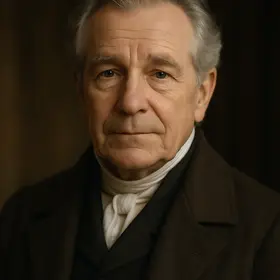 Alphonse FrankensteinMajor character
 Henry ClervalMajor character
 William FrankensteinMinor character
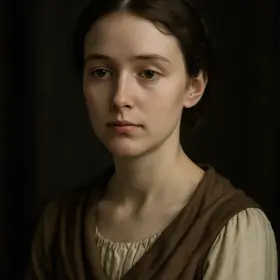 Justine MoritzMinor character
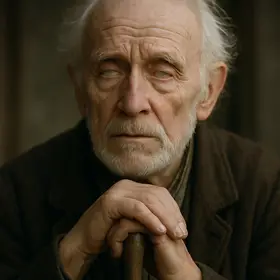 De LaceyMinor character
All chapter summaries ›Characters ›
Read Frankenstein illustrated
Every scene in these notes comes from the Book2Life reader, where the full public-domain text is illustrated as you read, with character portraits and narration. Free in your browser and on iPhone.
