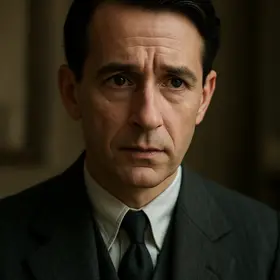
George Darling in Peter Pan
Major character
The practical, status-conscious father of Wendy, John and Michael whose propriety contrasts with the children's freedom.
Who is George Darling?
George Darling is the practical, ledger-minded father at Number 14 who values respectability, rules, and appearances. He presides over the household’s routines and attempts to be amusing and masterful, but his anxiety and emphasis on order create small domestic tensions—most notably his mean-spirited trick of pouring medicine into Nana’s bowl and tying her in the yard. When the children fly away with Peter Pan, George experiences shame and penitence: he sits in a kennel to show remorse while Mrs. Darling keeps the nursery window open for their return. By the time the children come back, he is humbled and awkward but rejoices in the reunion. He reluctantly accepts the adoption of the Lost Boys into the household, making room in his home despite his discomfort. George’s practical impulses and concern for appearances set the domestic tone that Peter’s invasion upends, serving as a foil to the story’s celebration of imagination and play.
In the book: George Darling is the practical, status-conscious father of the Darling children whose concern with finances, rules, and appearances contrasts with the children’s imagination and freedom. His attitudes help set the domestic tone from which adventure beckons, making him an important foil to the story’s spirit of play and wonder without dominating the tale.
Personality
- Practical
- He is introduced as ledger-minded and concerned with respectability in the opening household sketches at Number 14.
- Status-conscious
- Mrs. Darling rolls up and puts away Peter’s shadow because she is embarrassed it lowers the house’s tone, reflecting the household’s concern with appearances he shares.
- Self-important
- He makes comic, petulant attempts to appear masterful and amusing during the evening that culminates in the cruel medicine prank.
- Penitent
- After the children depart, he sits penitent in a kennel to publicly exhibit his remorse for what has happened.
- Reluctantly compassionate
- Though awkward and half-humiliated, he makes room in the house when Mrs. Darling gladly accepts the Lost Boys for adoption.
Character arc
George Darling begins as a proud, rule-bound paterfamilias whose chief concerns are respectability, order, and a comic need to appear masterful. During the pivotal evening when Peter first appears and when the household’s ordinary misrule culminates—his prank on Nana and the hidden shadow—George’s shortcomings contribute to the crisis that allows the children to leave. Faced with the children’s disappearance, he moves from self-importance to visible penitence, taking the humiliating step of sitting in a kennel to demonstrate remorse. When the children return, he remains awkward but reunites with his family, showing that his stern exterior can yield to paternal feeling. Finally, when the Lost Boys petition for adoption, George reluctantly adapts: though uncomfortable, he makes room in the household. He does not become imaginative like Wendy or abandon propriety, but he softens enough to accept change and responsibility, ending as a chastened but caring father who preserves the home while accommodating the story’s transformation of family life.
Relationships
- Mary Darling His wife, whose romantic mind and gentler handling of the children temper his practicality; they share concern over the children and household.
- Wendy Darling His eldest daughter, whose flight with Peter and later return prompt his penitence and eventual warm reunion.
- John Darling His middle son, who flies to Neverland with Wendy and Michael and returns to find his father humbled but joyful.
- Michael Darling His youngest son, whose misadventures at bath-time and departure highlight the domestic incidents that lead to the adventure.
- Nana The family nurse (a Newfoundland dog) whose punishment by George (tied in the yard) is a pivotal cruel act that contributes to later events.
- Peter Pan The boy who steals the children away from George’s household order; Peter’s return and the children’s adventures force George into penitence and eventual acceptance.
Why George Darling matters
George embodies the adult world of rules, propriety and social standing that Peter Pan’s arrival directly challenges. As a foil to imagination and play, he clarifies the book’s tension between childhood freedom and adult responsibility. His humiliation and later reluctant acceptance of change show that parental love can survive chastening and that the domestic sphere must sometimes yield to wonder. Through George, Barrie satirizes paternal pretensions while also humanizing them, making him essential to the novel’s exploration of family, authority, and the cost of growing up.
Chapters with George Darling
More Peter Pan characters
 Peter PanProtagonist
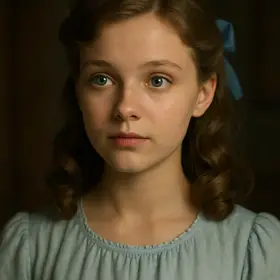 Wendy DarlingMajor character
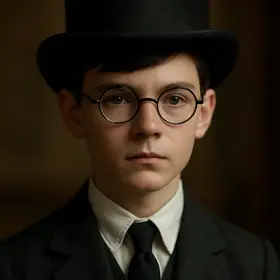 John DarlingMajor character
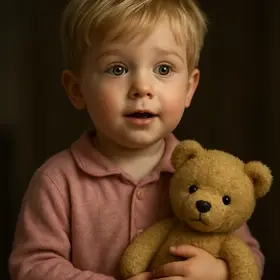 Michael DarlingMajor character
 Tinker BellMajor character
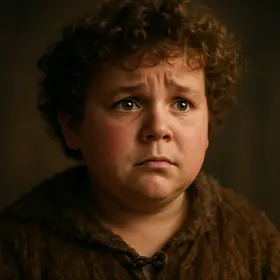 CurlyMajor character
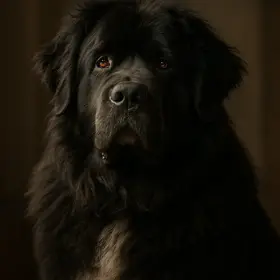 NanaMajor character
 NibsMinor character
All chapter summaries ›Characters ›
Read Peter Pan illustrated
Every scene in these notes comes from the Book2Life reader, where the full public-domain text is illustrated as you read, with character portraits and narration. Free in your browser and on iPhone.
