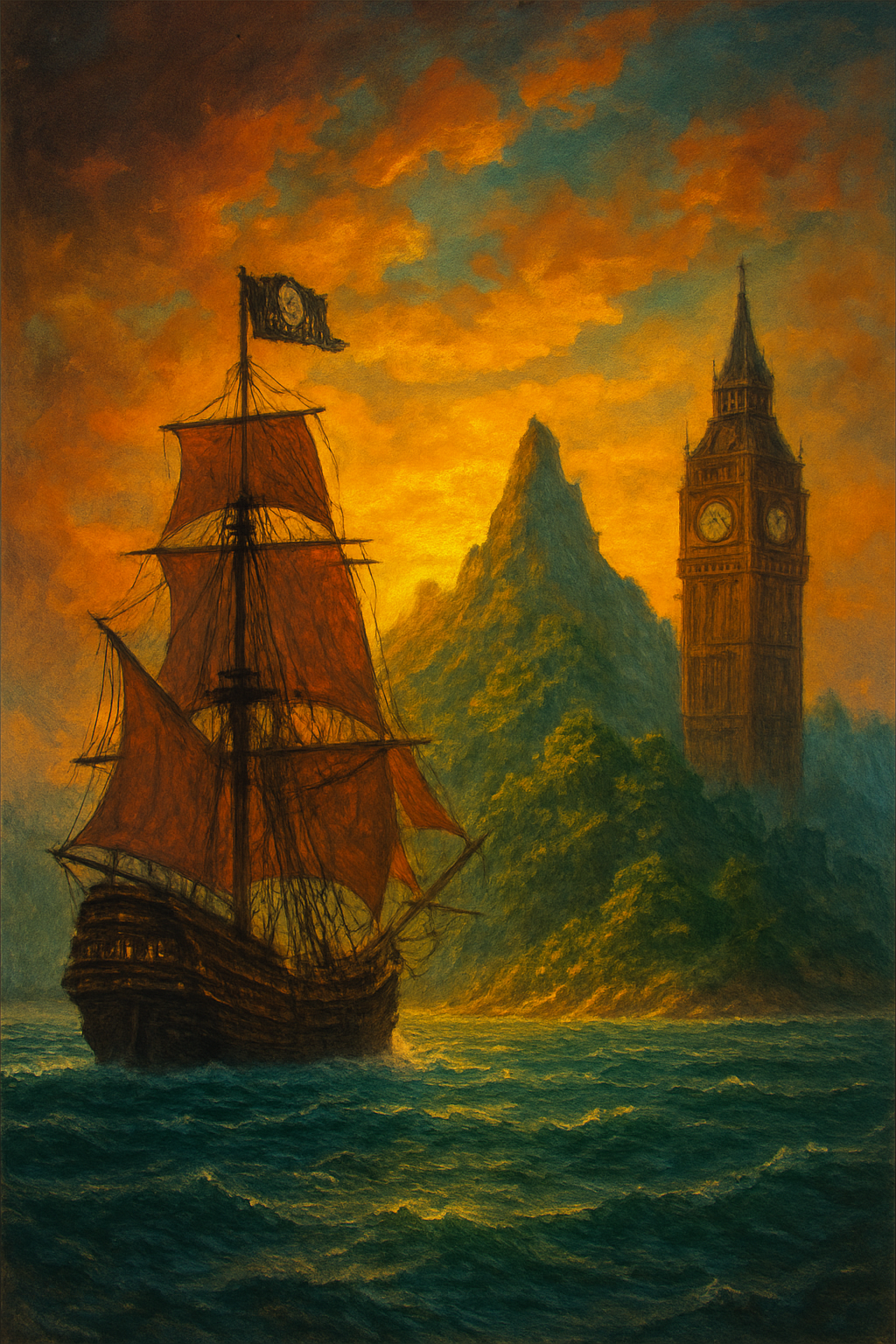
Peter Pan
1911 · Children's fantasy
Free to read in your browser. Public-domain edition from Project Gutenberg, illustrated as you read.
About This Book
Peter Pan is a late-Victorian fantasy that follows the impossible boy who never grows up. J. M. Barrie blends fairy-tale elements, comic set pieces and darker undertones in a story about the border between childhood and adulthood, told through the eyes of the Darling family and the inhabitants of Neverland. One night a mysterious boy named Peter Pan slips into the Darling nursery and after reclaiming his detached shadow he teaches Wendy, John and Michael to fly. He carries them to Neverland, a remote island of mermaids, pirates, Indians and the Lost Boys—children who, like Peter, refuse to leave childhood behind. Wendy becomes a mother-figure to the Lost Boys while Peter leads them on adventures: skirmishes with Hook and his pirates, rescues from dangerous waters, and the strange rituals of life on the island. Tinker Bell, a jealous but devoted fairy, complicates loyalties and sparks perilous moments that test Peter and his companions. The book balances lighthearted flight and domestic play with moments of menace and melancholy. Barrie’s vivid set pieces, memorable characters and the story’s uneasy tenderness examine what it means to grow up, to remember, and to let go—questions that have kept readers coming back for more than a century.
Characters in Peter Pan
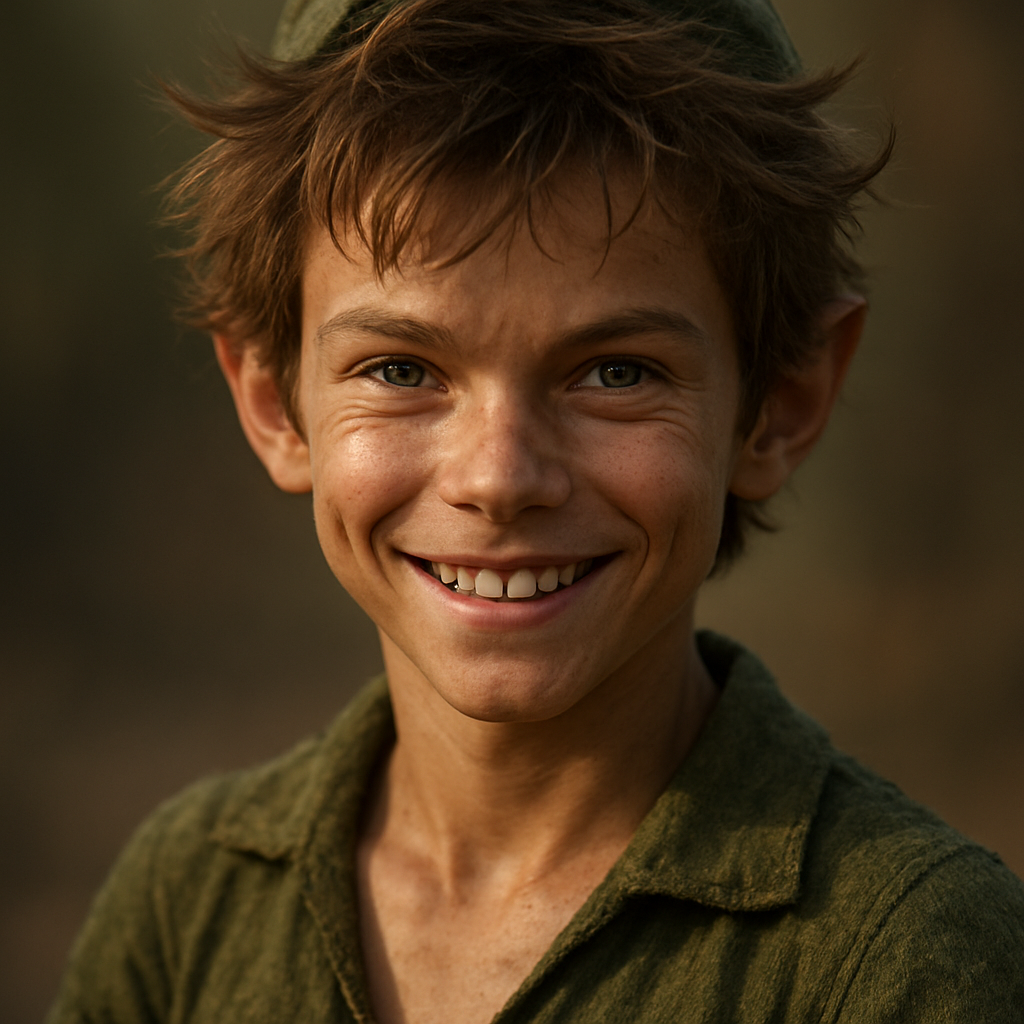 Peter PanPeter Pan is the fearless, flight-gifted boy who refuses to grow up and leads the Lost Boys in Neverland, whisking children from the ordinary world into a realm of pirates, fairies, and adventures. He embodies freedom, imagination, and the bittersweet allure of perpetual childhood, acting as both catalyst and companion to the Darling children while challenging the boundaries between youth and responsibility.
 Wendy DarlingWendy Darling is the eldest Darling child and the story’s gentle anchor—a natural storyteller whose curiosity draws her into Peter Pan’s world while her compassion and sense of responsibility steady the group. She embodies the pull between carefree childhood and the first stirrings of maturity, offering warmth, guidance, and imagination to those around her without overshadowing their adventures.
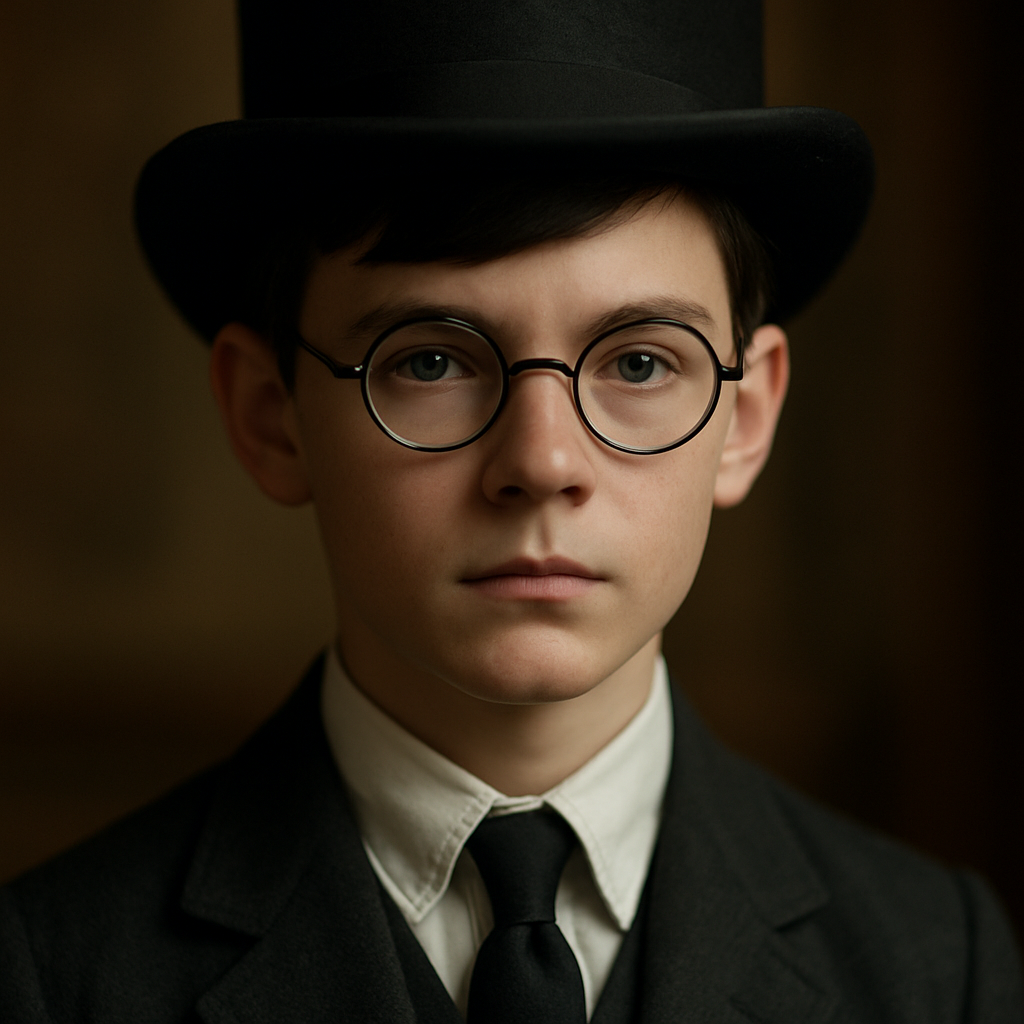 John DarlingJohn Darling is the practical, slightly pompous middle child of the Darling family, serving as the rational counterbalance to his siblings’ flights of fancy. He idolizes adult manners and order, often imitating his father, and brings a cautious, methodical mindset to the children’s adventures. Through John, the story playfully contrasts childhood imagination with the pull of propriety, highlighting different ways children approach wonder and responsibility.
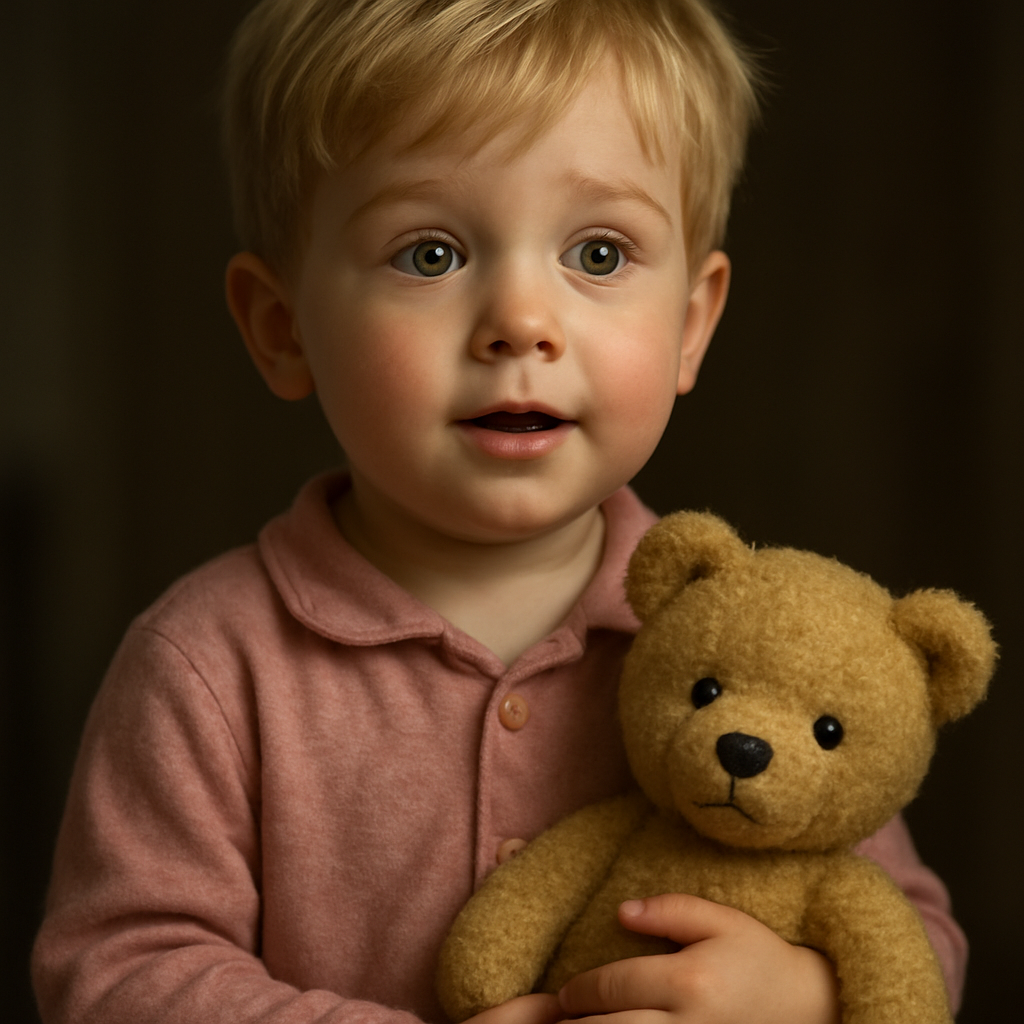 Michael DarlingThe youngest of the Darling children, Michael is spirited, affectionate, and game for make-believe. He joins Wendy and John on their flight to Neverland, where his innocence and wonder highlight the joys and perils of perpetual childhood. Though not a leader, he is central to the family dynamic and often provides moments of humor and tenderness that underscore the story’s themes of imagination and growing up.
 Tinker BellTinker Bell is Peter Pan’s fiercely loyal but temperamental fairy companion, a tinker by trade who mends and makes things and whose quick, jealous impulses often drive key turns in the adventure. She embodies the mercurial magic of Neverland—sometimes helpful, sometimes mischievous—serving as a catalyst for action and a symbol of the fragile, flickering nature of belief.
 Captain HookCaptain Hook is the dashing yet ruthless leader of the Neverland pirates and Peter Pan’s chief adversary. Elegant in manner but deadly in action, he commands fear through cunning, charisma, and a rigid obsession with “good form,” driving the central conflict as he schemes to outwit the boy who never grows up.
 Mr. SmeeMr. Smee is Captain Hook’s bo’sun and right‑hand man, an affable and oddly courteous pirate whose bumbling good nature often provides comic relief. Loyal to Hook yet far less malicious than the rest of the crew, he serves as a foil that softens the pirates’ menace and helps highlight the story’s blend of peril and play.
 Tiger LilyIn J. M. Barrie’s Peter Pan, Tiger Lily is the brave princess of a Native tribe in Neverland—a skilled tracker and leader whose courage, loyalty, and independence shape key turns in the struggle between the island’s children and the pirates. Her interactions with Peter and Captain Hook underscore themes of honor and bravery without dominating the narrative.
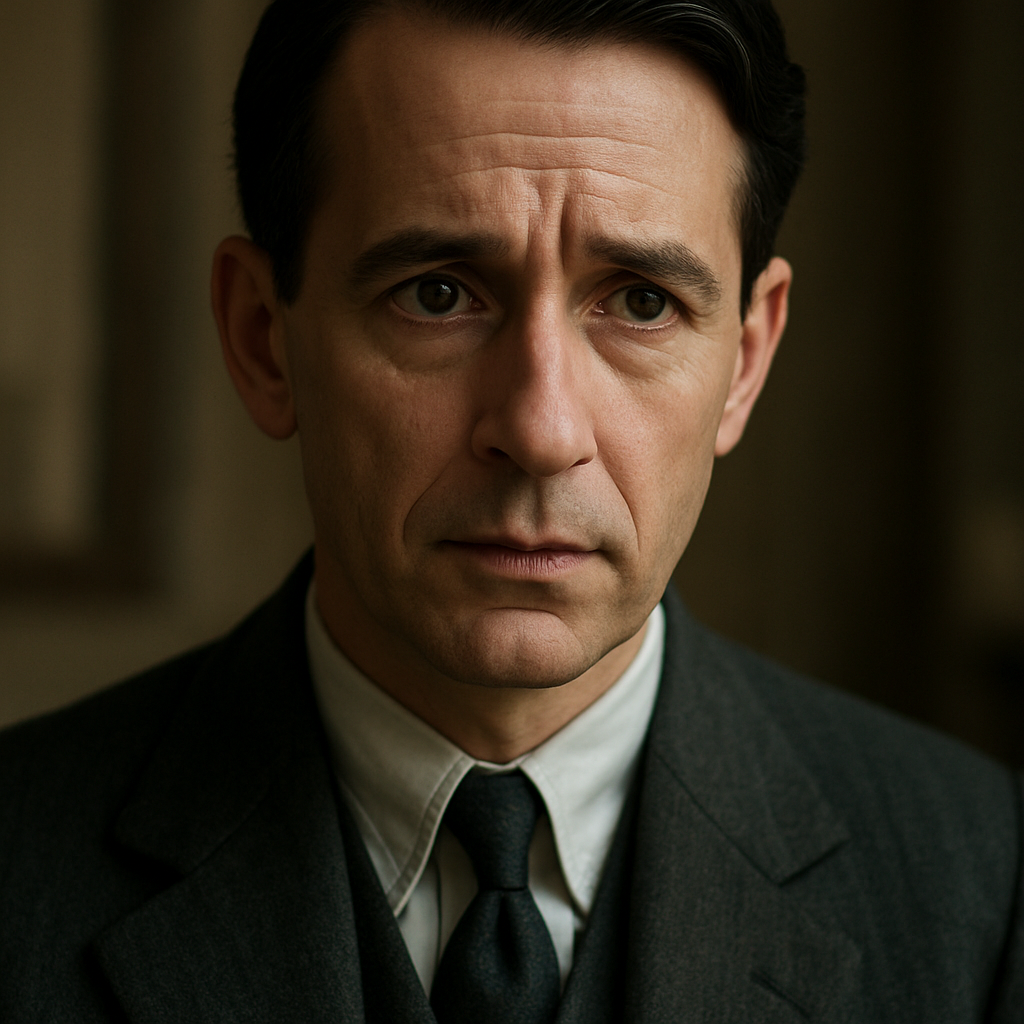 George DarlingGeorge Darling is the practical, status-conscious father of the Darling children whose concern with finances, rules, and appearances contrasts with the children’s imagination and freedom. His attitudes help set the domestic tone from which adventure beckons, making him an important foil to the story’s spirit of play and wonder without dominating the tale.
 Mary DarlingMary Darling is the devoted mother of Wendy, John, and Michael, embodying warmth, order, and protective love in the Darlings’ home. Her quiet intuition about the magical intrusions into the nursery and her steadfast concern for her children help frame the story’s leap from domestic life to adventure, highlighting the pull between safety and wonder without overshadowing the children’s journey.
 NanaNana is the Darling family’s devoted nursemaid—an unusually capable dog who tidies the nursery, administers fussing care, and keeps vigilant watch over the children. She embodies practical, protective love and serves as a grounding presence that contrasts with the lure of adventure and make-believe.
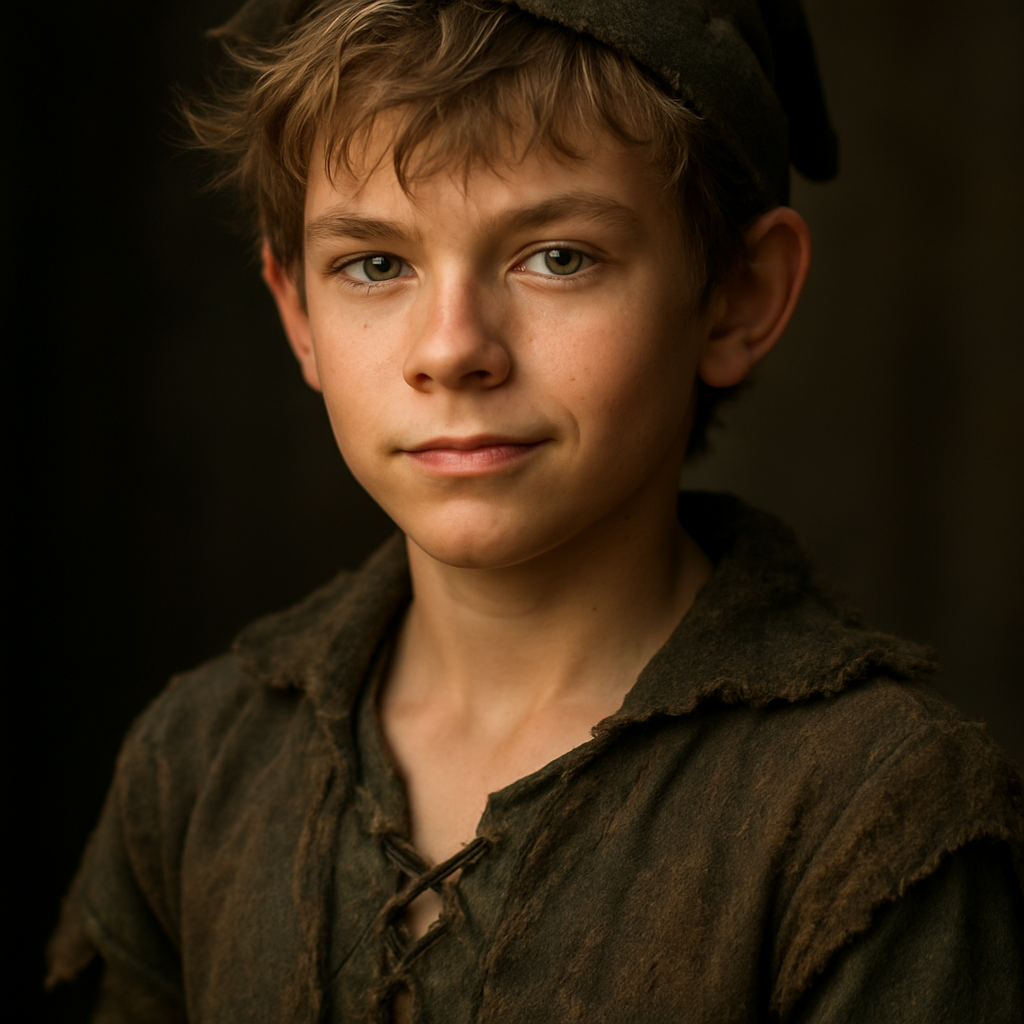 SlightlySlightly is one of Peter Pan’s Lost Boys, distinguished by his proud, self-assured manner and his habit of claiming to remember things from before he came to Neverland. He provides a mix of confidence and comic bravado within the group, helping to highlight themes of childhood imagination and identity while supporting Peter and interacting with Wendy and the other boys.
- TTootlesTootles is one of Peter Pan’s Lost Boys and is characterized as the most humble and contrite of the group. He often stumbles into mistakes that set events in motion, but his genuine remorse, loyalty, and quiet courage make him an endearing figure who highlights themes of innocence, responsibility, and belonging in Neverland—especially through his interactions with Peter and Wendy—without being the bold leader himself.
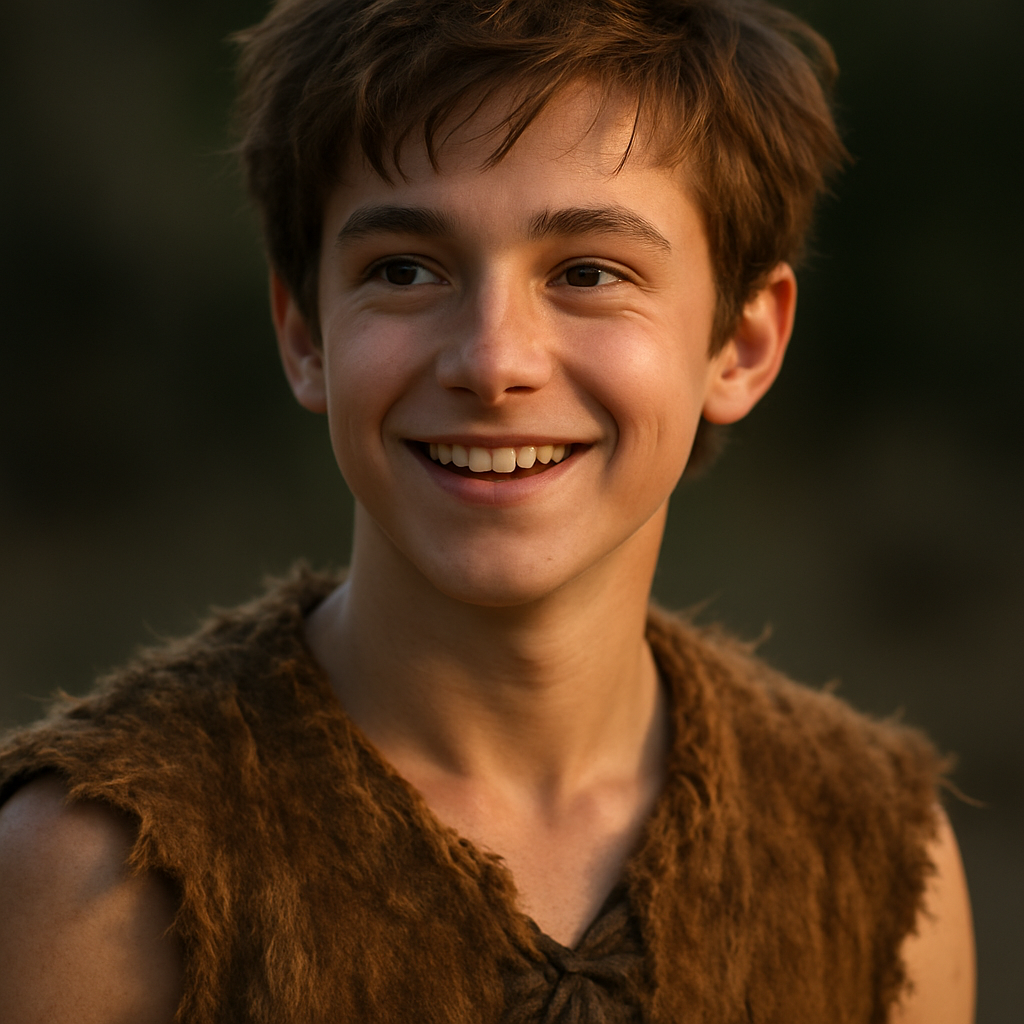 NibsNibs is one of Peter Pan’s Lost Boys, remembered for his upbeat courage and quickness. He often serves as a willing helper and scout, dashing into adventures with enthusiasm and loyalty to Peter and the others, and he helps embody the playful, peril‑tinted freedom of life in Neverland without overshadowing the central characters.
 CurlyCurly is one of Peter Pan’s Lost Boys, a kind‑hearted follower who often blunders into trouble but tries earnestly to do right. Loyal to Peter and quickly devoted to Wendy’s mothering, he adds warmth and comic mishaps to the group’s adventures in Neverland, highlighting themes of innocence, obedience, and the perils of childish impulsiveness without driving the central plot.
 The CrocodileThe Crocodile is the ever‑present predator of Neverland that has developed a taste for Captain Hook after once swallowing his hand. Its relentless, almost comically punctual pursuit—heralded by the ticking inside its belly—keeps Hook in constant terror and adds both danger and dark humor to the story’s adventures.
Study guide
Summaries and analysis of all 17 chapters, and profiles of 18 characters, illustrated with scenes from the book.
Key Scenes & Storyboard
4 illustrated scenes. These appear beside the passage they depict as you read.


Themes
- Childhood
- Imagination
- Freedom
- Memory
- Loyalty
- Adventure
Why Read Peter Pan?
Read Peter Pan to experience a foundational work of children’s fantasy that shaped later stories about flying, lost boys and pirate ships. Its conversational narrator, theatrical episodes and inventive scenes—flying through moonlit London, tiny underground houses, duels on a ship—still reward readers who enjoy vividly imagined worlds and lively, character-driven action.
Beyond nostalgia, the book probes complex feelings: the comforts and costs of staying young, the responsibilities of care, and the ache of growing apart. Contemporary readers will find Barrie’s mixture of whimsy and unease useful for thinking about parenthood, memory and the stories we tell children. It’s entertaining, often sharp, and a useful touchstone for anyone curious about how modern fantasies grew from older storytelling traditions.
Experience Peter Pan on Book2Life
Read with AI-generated visuals, character portraits, audio narration, smart summaries, and more — free in your browser and on iPhone.