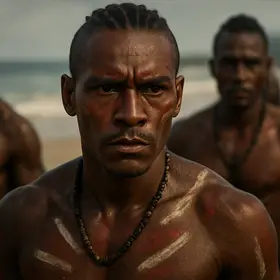
The Cannibals in Robinson Crusoe
Antagonist
A visiting war-party of native cannibals who land to perform ritual feasts and seize prisoners for eating.
Who is The Cannibals?
The Cannibals appear as a recurring danger on Crusoe’s island: first noticed by a single barefoot print, then later arriving in canoes as an armed war-party conducting grisly rituals and carrying prisoners intended for a feast. Their presence transforms Crusoe’s cautious routine into vigilant watchfulness and inspires fear that shapes his plans. When Crusoe and Friday finally observe them bring captives ashore, the savagery of the scene propels Crusoe to intervene—he fires on the attackers, rescues European prisoners, and interrupts the ritual. Their attacks directly produce allies and obligations for Crusoe (notably Friday and Friday’s father) and force him to take stronger defensive and offensive measures. After suffering casualties and being routed by Crusoe and Friday’s counterattack, the party’s threat is diminished, but their earlier actions continue to shape Crusoe’s decisions about security, rescue, and relations with other stranded Europeans.
In the book: Crusoe first knows them by a single barefoot print in the sand, then spies their canoes landing as a war-party comes ashore to perform a grisly ritual. Their sudden appearances turn his lonely vigilance into outright dread and force him to plan how to hide, watch, and survive.
Personality
- Predatory
- They land in canoes as a war-party to seize prisoners intended for a feast, and are described as eating victims.
- Secretive
- Crusoe first knows of them only from a single barefoot print in the sand before he later spies their landing.
- Ritualistic
- They perform a grisly ritual onshore, bringing prisoners specifically to be eaten in a ceremonial manner.
- Violent
- Crusoe and Friday fire upon them, killing and wounding several and causing the cannibals to rout.
Character arc
The Cannibals’ role is largely consistent across their appearances: they begin as an ominous, almost imagined threat — signaled by a single barefoot print that turns Crusoe’s unease into persistent vigilance. Their next significant appearance is a full landing as a war-party bringing prisoners for ritualistic cannibalism; this concrete act of violence forces Crusoe out of passive watchfulness into decisive intervention. Confronted by Crusoe and Friday’s armed response, the cannibals shift from confident predators to disordered fugitives, suffering casualties and retreat. After the rout, they cease to be the immediate, successful predators they were when capturing prisoners; their defeat reduces the direct threat they pose to Crusoe’s settlement. They do not undergo moral change or integration into the island’s social order; instead their story arc is one of escalation to atrocity followed by defeat and retreat, leaving lasting effects—rescued prisoners, new obligations, and heightened security—for Crusoe and his companions.
Relationships
- Robinson Crusoe Antagonists whose landing and ritual attacks force Crusoe to defend, plan, and ultimately fight back.
- Friday Opponents who captured Friday’s people and whose attack on prisoners leads to Friday’s rescue and alliance with Crusoe.
- Friday's Father Captors who had bound and nearly killed him before Crusoe and Friday freed him.
- The Spaniard Perpetrators who held and devoured prisoners including Europeans, one of whom Crusoe later rescues.
- The Mutineers Indirectly related: both are violent groups encountered by Crusoe, but the mutineers are a separate threat encountered later.
Why The Cannibals matters
The Cannibals function as a crucial external threat that tests Crusoe’s moral and practical responses. They dramatize the danger of the island and justify Crusoe’s transformation from solitary survivalist to armed community leader. Their ritual violence catalyzes the rescue of Friday and his father, establishes obligations that enlarge Crusoe’s social world, and prompts questions about cultural difference, justice, and providence. Symbolically they heighten the book’s tensions between civilization and perceived savagery, prompting Crusoe to exercise power, mercy, and religious conviction in ways that reveal his developing authority and moral reasoning.
Chapters with The Cannibals
More Robinson Crusoe characters
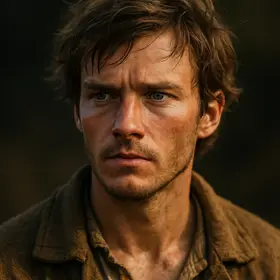 Robinson CrusoeProtagonist
 FridayMajor character
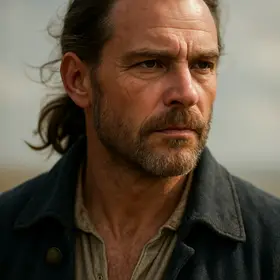 The English CaptainMajor character
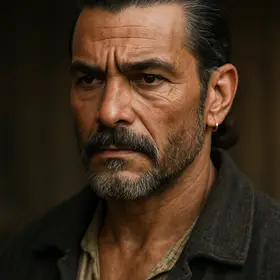 The Portuguese CaptainMinor character
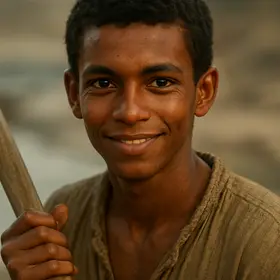 XuryMinor character
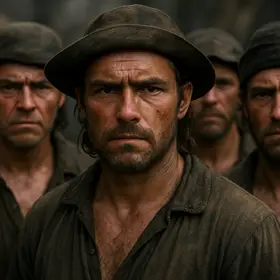 The MutineersAntagonist
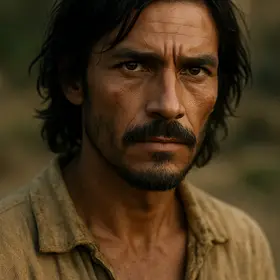 The SpaniardMajor character
 The WidowMinor character
All chapter summaries ›Characters ›
Read Robinson Crusoe illustrated
Every scene in these notes comes from the Book2Life reader, where the full public-domain text is illustrated as you read, with character portraits and narration. Free in your browser and on iPhone.
