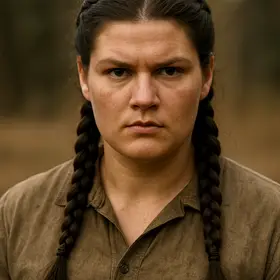
Marija Berczynskas in The Jungle
Major character
Ona’s tough, pragmatic cousin who works in the packing plants, is briefly hopeful, then driven into degradation and addiction.
Who is Marija Berczynskas?
Marija Berczynskas is a blunt, fearless cousin of Ona who becomes one of the family’s main wage-earners in Chicago. She first appears as the no-nonsense leader at Ona’s wedding, immediately taking charge of arrangements and bargaining with musicians. In Packingtown she secures skilled female work—can-painting, later beef-trimming—and for a time saves money, becomes engaged to the violinist Tamoszius Kuszleika, and lifts the household’s morale. Repeated factory shutdowns, arbitrary firings, dangerous labor, and a bank run drain her savings. After losing work and suffering a severe hand injury, she is forced by hunger and circumstance into a brothel; there she becomes dependent on morphine and is trapped by debt, drugs, and extortion. She intermittently helps the family—raising funds for a pauper burial, protecting Jurgis during a police raid, and giving him the address for his children—but ultimately refuses or cannot escape the house that enslaves her. Even when Jurgis later seeks her out, she admits she cannot quit her addiction, remaining a tragic, hardened presence amid the social collapse around her.
In the book: When we first meet Marija, she’s Ona’s tough, no-nonsense cousin who takes charge at the wedding feast, bargaining with musicians and keeping the rowdy crowd in line. She’s blunt, fearless, and proudly ready to work—exactly the kind of backbone the family leans on as they start out in Chicago.
Personality
- Practical
- At Ona’s wedding Marija forces her way through the crowd, bargains with musicians, and organizes the feast’s chaotic details.
- Hardworking
- She fights into a can-painting position and later becomes a skilled beef-trimmer, saving money and supporting the household.
- Resilient
- After factory closures and layoffs she repeatedly seeks other brutal factory work and endures dangerous, degrading tasks to survive.
- Protective
- During a police raid she intervenes to keep Jurgis from being singled out and guides him through the sweep.
- Broken
- By the time Jurgis finds her in the disorderly house she confesses to morphine addiction and says she cannot stop despite wanting to.
Character arc
Marija opens as a sturdy, no-nonsense presence: a woman who can organize a wedding, win a good job, and save for the family. Early on she offers hope—her engagement to Tamoszius and her bank savings lift household spirits, and she speaks passionately for union rights. But the fragile safety she builds is repeatedly undermined by Packingtown’s shocks: sudden factory closures, firings that appear retaliatory, a terrifying bank run, and a crippling hand injury. Hunger and the family’s mounting debts push her into increasingly desperate options. Eventually Marija is forced into a brothel to keep her children from starving; there she becomes ensnared by morphine and the house’s extortionary control. From a figure of backbone and militant energy she becomes degraded and dependent, intermittently able to act with courage (raising funds for a funeral, protecting Jurgis during a raid) but largely trapped. Her refusal or inability to quit the brothel and the drug marks a tragic decline from promising laborer and union voice to one of Packingtown’s ruined women.
Relationships
- Ona Lukoszaite Cousin and close companion who shares a mattress with Marija and depends on her toughness during family crises.
- Tamoszius Kuszleika A shy violinist who courts Marija and becomes her fiancé during the period when she is saving money and hopeful.
- Teta Elzbieta Household elder and co-worker in the family economy; Elzbieta and Marija jointly shoulder domestic and financial burdens.
- Little Stanislovas Child of the household whose employment and eventual tragic fate figure in Marija’s later desperation and choices.
- Jurgis Rudkus Family member and ally who finds Marija in the brothel, receives her help, and learns of her addiction and entrapment.
- Aniele Neighbor and sympathetic woman in the block who helps coordinate aid and whose address Marija uses to reconnect Jurgis with the family.
Quotes by Marija Berczynskas
“We couldn't promise, Jurgis," protested Marija. "We had no money—we have scarcely been able to keep alive.”
Chapter 18Marija tells Jurgis that they cannot promise to pay a doctor because they are penniless, explaining why no adequate medical help has been available for Ona.
“"Rats killed him," she answered.”
Chapter 27Marija delivers the blunt account of Stanislovas's death, shocking Jurgis and exposing the brutal consequences of poverty.
“"It's morphine," she said, at last.”
Chapter 28Marija admits her addiction, explaining how drugs and alcohol are pervasive coping mechanisms in the brothel and how they trap the women.
Why Marija Berczynskas matters
Marija’s trajectory embodies the book’s central themes: the corrosive impact of industrial capitalism on dignity, the failure of American opportunity, and how poverty forces moral compromises. She begins as a symbol of working-class agency—skilled, militant, and materially hopeful—but her enforced slide into sex work and addiction shows how the packinghouses’ insecurity, predatory institutions, and communal collapse destroy individual potential. Marija also highlights gendered vulnerability: women’s labor is both essential and disposable, and their options narrow into sexual exploitation or bodily ruin. Her moments of courage and final degradation make the social critique painfully human and concrete.
Chapters with Marija Berczynskas
More The Jungle characters
 Jurgis RudkusProtagonist
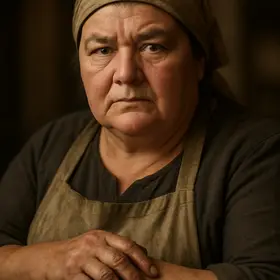 Teta ElzbietaMajor character
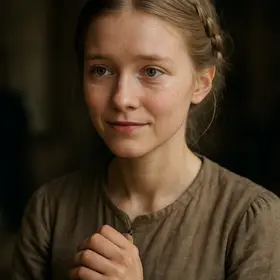 Ona LukoszaiteMajor character
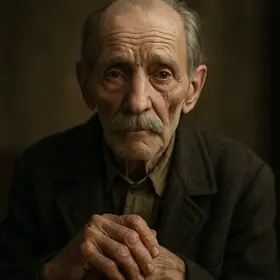 Antanas RudkusMinor character
 JonasMajor character
 StanislovasMinor character
 Tamoszius KuszleikaMinor character
 Little AntanasMinor character
All chapter summaries ›Characters ›
Read The Jungle illustrated
Every scene in these notes comes from the Book2Life reader, where the full public-domain text is illustrated as you read, with character portraits and narration. Free in your browser and on iPhone.
