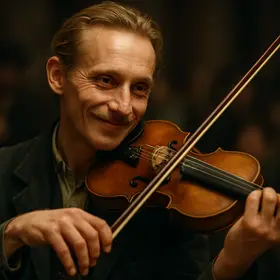
Tamoszius Kuszleika in The Jungle
Minor character
A lively fiddler at the Rudkus wedding who courts Marija and brightens immigrant gatherings.
Who is Tamoszius Kuszleika?
Tamoszius Kuszleika is the spirited violinist who drives the music at Jurgis and Ona’s wedding and who moves through Packingtown’s immigrant social life as a cheerful presence. He calls the figures, strikes up reels, and coaxes coins from guests, creating moments of community and celebration in the back-room saloon. Early in the festivities he notices Marija and soon begins a gentle courtship, proposing hope of a small household and shared savings. Tamoszius appears again in the chapters that follow as Marija’s fiancé, sharing in the household’s cautious optimism when she opens a bank account and saves, and suffering the same shocks when layoffs, factory closures, and the bank run unravel those plans. His role is concentrated in social scenes: he is a connector—providing music, lightness, and a promise of domestic stability that the larger economic forces repeatedly threaten.
In the book: He’s the fiddler who keeps Jurgis and Ona’s wedding whirling—calling figures, striking up reels, and coaxing coins from merry guests. Friendly and quick with a joke, he moves through the immigrant crowd like a spark, and he starts paying special attention to Marija almost as soon as the music begins.
Personality
- Merry
- At the wedding he keeps the dances whirling and jokes with guests, driving the revelry from frenzy into ring dances.
- Attentive
- He quickly begins paying special attention to Marija as soon as the music begins at Jurgis and Ona’s wedding.
- Hopeful
- He and Marija open bank accounts together while the household nearly finishes paying off furniture, sharing in the family’s cautious optimism.
- Sensible
- He courts Marija persistently but modestly, fitting the role of a small, shy violinist rather than a brash suitor.
Character arc
Tamoszius’s presence is largely steady and localized: he appears as the life of the wedding, becomes Marija’s suitor, and shares in the brief financial hopes of her household. At first he embodies social warmth and the possibility of domestic improvement—his music animates communal gatherings and his courtship promises a modest household. During the period of relative stability he and Marija meaningfully participate in saving and even open bank accounts, signaling a move from mere festivity to practical partnership. But the arc of his role is defined by external shocks rather than personal transformation: the canning factory’s sudden closure, Marija’s later dismissals, and the bank run strip away the material foundation of their plans. The notes do not record a dramatic personal change in Tamoszius himself—his optimism and sociability remain implied—but the hopes he represents are repeatedly undercut, and he shares in the household’s downward shifts as Marija is driven into progressively harder labor and eventual ruin. He functions as a marker of fragile domestic hope rather than a fulcrum of plot-driven development.
Relationships
- Marija Berczynskas Fiancé and musical admirer who courts her at the wedding and later opens a bank account with her.
- Jurgis Rudkus Neighbor and fellow immigrant who encounters him at the wedding and as part of the same social circle.
- Ona Lukoszaite Bride at whose wedding he plays, helping to animate the early communal joy that surrounds the Rudkus household.
- Teta Elzbieta Household matriarch who shares in the family’s celebrations and worries that Tamoszius’s music initially accompanies.
- Jokubas Szedvilas One of the wedding guests whose exuberant contribution is part of the musical and social scene Tamoszius facilitates.
Why Tamoszius Kuszleika matters
Tamoszius represents the social bonds and small hopes that sustain immigrant communities amid grinding economic pressures. As a musician and suitor, he embodies communal pleasure, courtship, and the possibility of domestic stability—everything that the packinghouse economy and recurring crises repeatedly threaten. His presence at celebrations and in the household’s early savings underscores how culture and human warmth coexist with exploitation; his thwarted hopes with Marija highlight the fragile, contingent nature of immigrant advancement under capitalist pressures. In short, he symbolizes ordinary human consolation and the way external forces erode private happiness.
Chapters with Tamoszius Kuszleika
More The Jungle characters
 Jurgis RudkusProtagonist
 Teta ElzbietaMajor character
 Marija BerczynskasMajor character
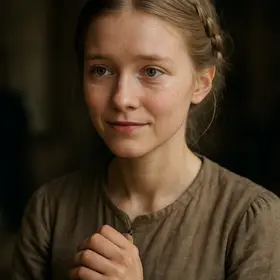 Ona LukoszaiteMajor character
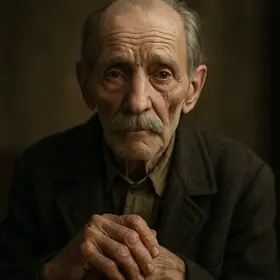 Antanas RudkusMinor character
 JonasMajor character
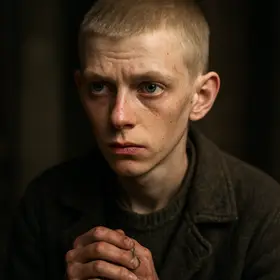 StanislovasMinor character
 Little AntanasMinor character
All chapter summaries ›Characters ›
Read The Jungle illustrated
Every scene in these notes comes from the Book2Life reader, where the full public-domain text is illustrated as you read, with character portraits and narration. Free in your browser and on iPhone.
