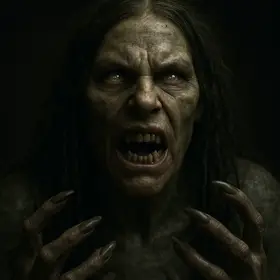
Grendel's Mother in Beowulf
Antagonist
A vengeful, monstrous dweller of the haunted mere who attacks Heorot to avenge her son Grendel.
Who is Grendel's Mother?
Grendel's Mother is the second great adversary in the poem: an ancient, revenge-driven creature who inhabits a remote, hostile mere. After Beowulf kills her son Grendel, she rises from her fen to enact blood-feud logic and drags off one of Hrothgar’s most beloved liegemen, Æschere, returning terror to Heorot. Her swift, silent attack forces Hrothgar and his court to confront the limits of safety and honor. Hrothgar describes her as a wicked, female-shaped fiend from a cursed line, dwelling in fen-deeps and murky waters where strange fires burn. Her vengeance propels Beowulf to pursue her into that dangerous watery lair; there he fights her in a boiling pool, discovers a gigantic sword forged by giants, and uses it to slay her. Her actions restart the cycle of violence in the poem and set up Beowulf’s demonstration of courage, divine favor, and martial prowess as he returns with Grendel’s severed head as proof of victory.
In the book: Grendel’s mother is the vengeful, ancient dweller of the haunted mere whose attack thrusts the Danes back into terror. As the second great adversary, she embodies the brutal logic of blood-feud and the power of kinship, driving the hero to pursue her into her shadowed domain and forcing the poem to reckon with cycles of violence and honor.
Personality
- Vengeful
- She rises from the mere to avenge Grendel’s death and seizes Æschere to avenge her son.
- Secretive
- She attacks Heorot while the Danes sleep, moving swiftly and silently through the hall.
- Territorial
- She dwells in a remote, dreadful mere and fen-deeps that humans avoid, defending that domain fiercely.
- Kin-minded
- Her motive is explicitly framed as blood-feud and kinship obligation in response to Grendel’s slaying.
Character arc
Grendel’s Mother appears as a dark continuation of the threat Grendel posed: she begins as a hidden, wrathful presence in the mere who, after her son’s death, escalates the conflict by attacking Heorot and taking Æschere. That violent act reverses the brief relief the Danes felt after Grendel’s defeat and makes the cost of vengeance immediately tangible. Her appearance forces Hrothgar to acknowledge the deeper, ancestral malignance that haunts the landscape and to call on Beowulf for a new kind of quest into the uncanny watery world. Confronted directly, she fights ferociously in her own element, but Beowulf’s descent into the mere culminates in her death by a giant-forged sword. She does not change morally or repent; instead, her function in the story completes a cycle — from hidden menace to active avenger to the vanquished source of further proof of Beowulf’s heroism. Her arc is not one of moral development but of catalytic escalation and inevitable destruction, reinforcing the poem’s focus on honor, feud, and the limits of human security.
Relationships
- Grendel Her son and the slain monster whose death motivates her vengeful attack on Heorot.
- Æschere She kills and drags off Æschere, Hrothgar’s trusted retainer, as an act of vengeance.
- Hrothgar She is Hrothgar’s adversary who deepens his grief and prompts him to summon Beowulf for aid.
- Beowulf She is Beowulf’s opponent in a deadly confrontation in her mere, where he ultimately kills her.
- Scyldings Her attacks terrorize the Scylding court and reverse the temporary peace they enjoyed after Grendel’s death.
Why Grendel's Mother matters
Grendel’s Mother embodies the poem’s themes of kinship obligation, blood-feud, and the persistence of ancestral evil; her vengeance demonstrates how violence begets more violence and how heroic deeds must contend with deep, uncanny forces. By dragging Æschere and forcing Beowulf into the fen, she exposes the fragility of communal safety and compels the hero to confront a darker, otherworldly realm. Her defeat validates Beowulf’s courage and divine favor but also underscores that victory over monsters only temporarily suspends the cycle of feud and loss.
Chapters with Grendel's Mother
More Beowulf characters
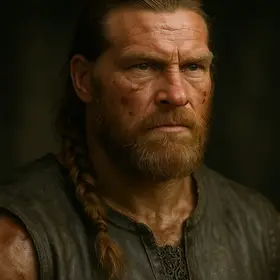 BeowulfProtagonist
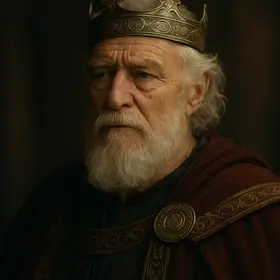 HrothgarMajor character
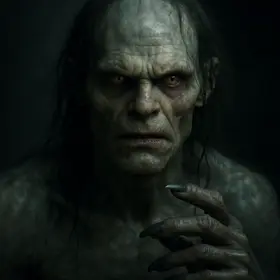 GrendelAntagonist
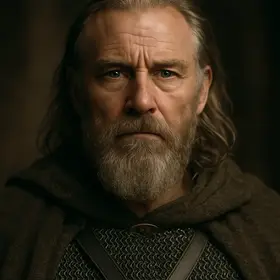 EcgtheowMinor character
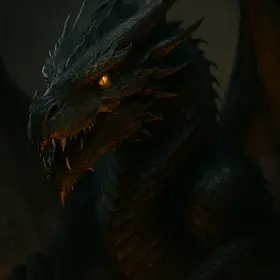 The DragonAntagonist
- HHealfdeneMinor character
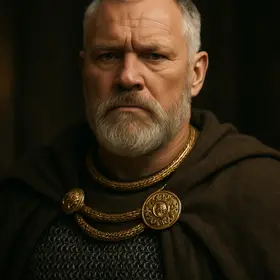 HygelacMajor character
- HHigelacMajor character
All chapter summaries ›Characters ›
Read Beowulf illustrated
Every scene in these notes comes from the Book2Life reader, where the full public-domain text is illustrated as you read, with character portraits and narration. Free in your browser and on iPhone.
