Scyldings in Beowulf
Major character
The Scyldings are the Danish people—Healfdene’s kin, Hrothgar’s subjects who suffer Grendel and later celebrate Beowulf.
Who is Scyldings?
The Scyldings are the community of Danes centered on Hrothgar’s hall, Heorot. At the poem’s crisis they endure Grendel’s night-raids, mourning lost warriors and living under the terror that follows each assault. When Beowulf and his Geatish companions arrive, the Scyldings receive them warily at the shore and then hospitably in the hall as Hrothgar explains past obligations and the reason for Ecgtheow’s exile. After Beowulf defeats Grendel, the Scyldings gather at dawn to inspect the traces of battle, witness the aftermath, and publicly praise the hero. Their reaction is both celebratory and reflective: leaders and a scop transform the event into song and political talk, considering Beowulf’s fame and the lessons of past kings. The Scyldings therefore function as the injured polity in need of protection, the audience for heroic deeds, and the community that reinterprets victory through ritual, poetry, and counsel.
Personality
- Suffering
- They endure relentless persecution by Grendel and mourn heavy losses among Healfdene’s kin (IV).
- Hospitable
- They welcome Beowulf and his followers ashore, question their purpose, then receive them in Heorot at Hrothgar’s feast (IV, VIII).
- Communal
- At dawn many warriors and onlookers assemble to inspect the battle’s traces and to share in the public response (XIV).
- Celebratory
- They praise Beowulf loudly after the fight and a bard sings his deed, weaving it into heroic tradition (XIV).
- Reflective
- Leaders use the victory to debate kingship and recall precedents like Sigemund and Heremod in the scop’s song (XIV).
Character arc
The Scyldings begin the chapters as a people under siege: grief, bloodied benches, and failed boasts mark their mornings while Grendel stalks the hall. Their immediate need is safety and restoration, which opens them to outside aid. When Beowulf arrives, they move from guarded suspicion at the shore to formal hospitality in Heorot, as Hrothgar frames the meeting in terms of past obligations and communal duty. After the night’s victory, the Scyldings transition from victims to witnesses and celebrants: they inspect Grendel’s traces, mark the physical evidence of violence, and then elevate the deed through public praise and poetry. That shift produces political reflection—leaders and the scop use the triumph to discuss fame, leadership, and the hazards of kingship—so the Scyldings change from a grieving, endangered community into an audience that processes victory through ritual, song, and counsel while projecting future hopes onto Beowulf.
Relationships
- Hrothgar Their king and lord, whose grief and leadership define the community’s situation under Grendel.
- Beowulf The visiting hero whose arrival, single-handed confrontation with Grendel, and victory transform the Scyldings’ plight into communal celebration.
- Wealhtheow Their queen, who moves with the leaders toward the hall to view and participate in the ritual response to the deed.
- Weders Neighboring warriors and allies who join the Scyldings at the feast and in communal rejoicing.
- Grendel Their scourge and the source of their losses, whose attacks provoke the Scyldings’ suffering and eventual relief.
- Scop (the bard) The performer within their community who shapes the public memory of Beowulf’s deed by linking it to heroic precedent.
Why Scyldings matters
The Scyldings embody the communal stakes of the poem: they are the polity that requires protection, the audience that confers fame, and the body that transforms violence into political meaning. Their mourning and later rejoicing highlight themes of obligation and reciprocity—kings and heroes must protect the people who, in turn, reward and remember them. The Scyldings’ use of song and counsel after victory underscores the poem’s interest in how societies interpret heroism, judge rulers, and learn from precedent.
Chapters with Scyldings
More Beowulf characters
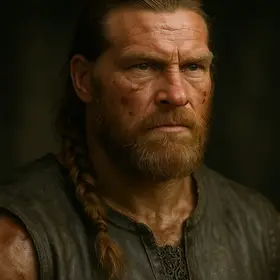 BeowulfProtagonist
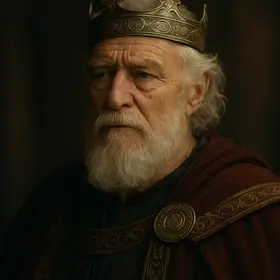 HrothgarMajor character
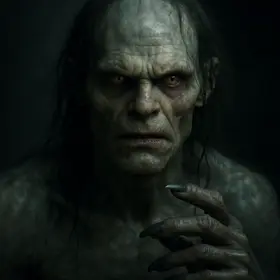 GrendelAntagonist
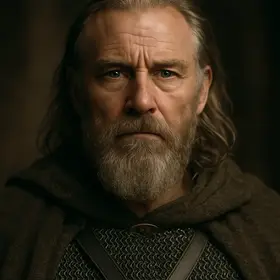 EcgtheowMinor character
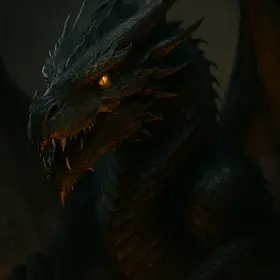 The DragonAntagonist
- HHealfdeneMinor character
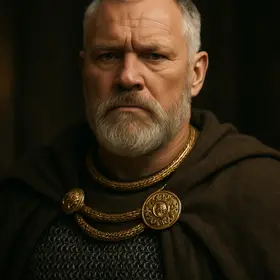 HygelacMajor character
- HHigelacMajor character
All chapter summaries ›Characters ›
Read Beowulf illustrated
Every scene in these notes comes from the Book2Life reader, where the full public-domain text is illustrated as you read, with character portraits and narration. Free in your browser and on iPhone.
