Don Quixote Chapter 12 Summary
The Goatherd's Tale of Marcela
A goatherd tells Don Quixote and company the story of Chrysostom's death and Marcela, a beautiful shepherdess who refuses all suitors.
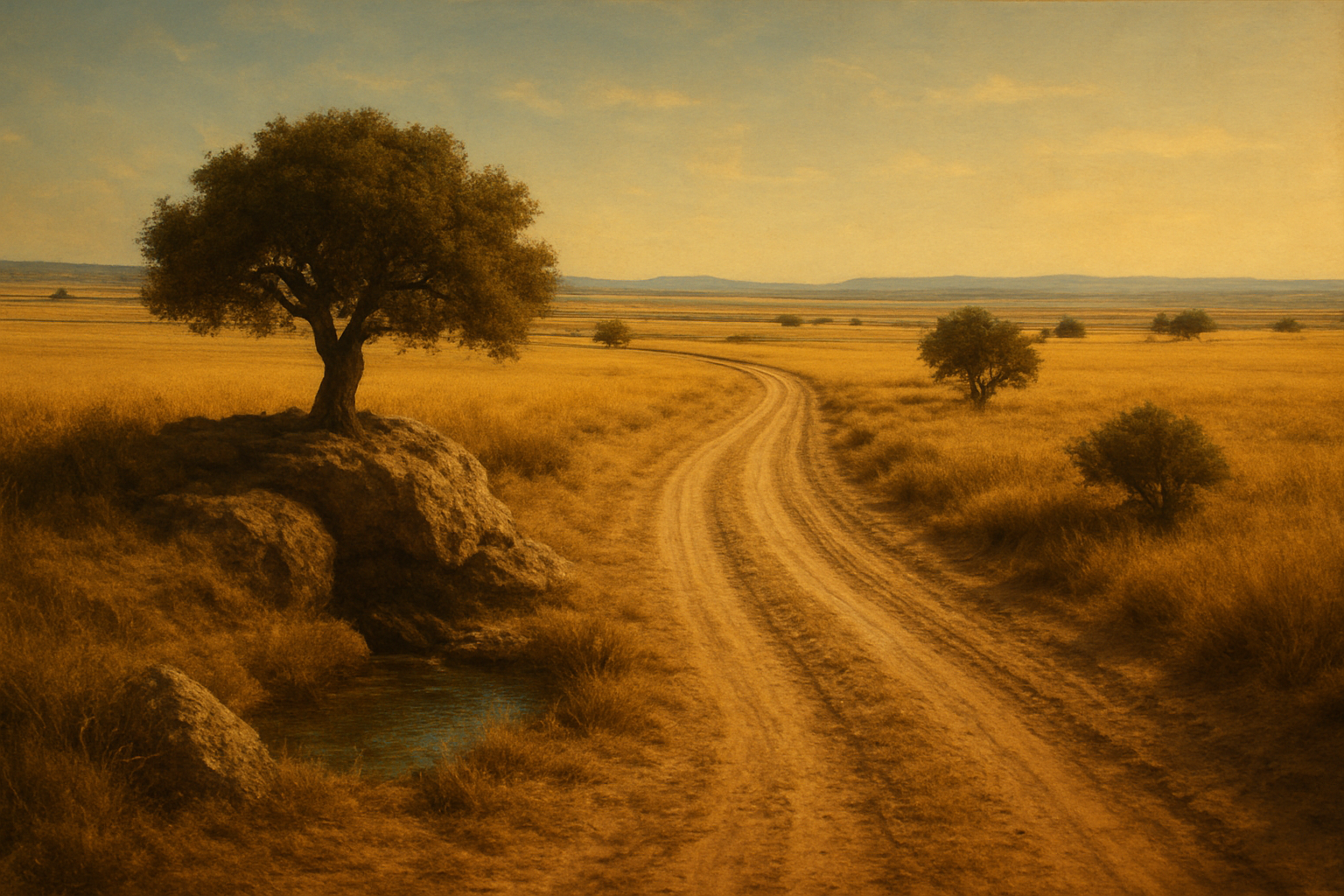
Summary
In a roadside encampment a young goatherd named Pedro recounts to Don Quixote, Sancho and other shepherds the circumstances surrounding the death of Chrysostom, a former student who adopted the shepherd’s dress out of love for Marcela. Pedro relates that Chrysostom, reputed learned and once a student at Salamanca, left instructions to be buried in the fields where he first saw Marcela; his friends, especially Ambrosio, insist on honoring those wishes despite local clerical objections.
Pedro then gives the background of Marcela: the orphaned, wealthy daughter of Guillermo who was raised by an uncle, a priest and prebendary. Though kept largely in seclusion because of her beauty and wealth, Marcela shocks the village by taking to the fields as a shepherdess, attracting many admirers. She treats suitors courteously but rejects all advances outright—so bluntly and steadfastly that the jilted men call her cruel. Pedro describes the visible marks of obsessive love in the countryside—names carved on beeches, nights spent weeping at oaks—and invites the listeners to attend Chrysostom’s planned burial the next day. Don Quixote promises to go, while Sancho sleeps between the beasts; Don Quixote spends the night thinking of Dulcinea.
Key events
- A young provision-runner announces Chrysostom's death and burial wishes.
- Pedro explains Chrysostom's background as a Salamanca student and lover of Marcela.
- Chrysostom adopts shepherd's dress; Ambrosio supports fulfilling his burial wishes.
- Pedro recounts Marcela's origin, seclusion, wealth and decision to shepherd.
- Marcela's beauty draws many suitors, but she firmly rejects all proposals.
- Pedro invites the group to Chrysostom's burial; Don Quixote agrees to attend.
Chapter 12 in pictures

Analysis
This chapter functions as a framed rural narrative that introduces Marcela as a key episodic figure and sets up a public controversy over love, honor and individual choice. Through Pedro’s chatty, somewhat unreliable narration we see Cervantes experimenting with multiple voices: the goatherd’s earthy detail contrasts with Don Quixote’s chivalric corrections (about words and terms like eclipse/‘cris’), highlighting differing worldviews. The episode foregrounds themes of idealized love versus personal liberty—Chrysostom’s death (presented as caused by devotional love) and Marcela’s refusal to conform establish a moral tension between romantic obsession and autonomous conduct. Marcela herself is framed ambiguously: praised for virtue and independence, yet blamed by suitors for cruelty, anticipating debates about victimhood and agency.
Structurally, the chapter interrupts Don Quixote’s immediate journey with a local legend, expanding the novel’s scope into pastoral and socio-cultural commentary. The burial instructions being “pagan” and the villagers’ quarrel with ecclesiastical authority lightly satirize the clash of tradition and reason. Symbolically, the fields, beeches and carved names operate as markers of public memory and contested desire. Narratively, the chapter primes the reader for the forthcoming public spectacle (the burial) and offers ironic counterpoint to Don Quixote’s chivalric meditations—his vow to attend stems as much from curiosity and identification with romantic suffering as from knightly duty.
Important quotes
“this morning that famous student-shepherd called Chrysostom died, and it is rumoured that he died of love for that devil of a village girl the daughter of Guillermo the Rich, she that wanders about the wolds here in the dress of a shepherdess.”
The young provision-runnerOpening announcement that sets the chapter in motion: Chrysostom's death and its alleged cause (love for Marcela).
“she flings him from her like a catapult.”
Pedro (the goatherd)Pedro's vivid description of how Marcela rejects suitors, capturing her blunt refusal and the suitors' resulting despair.
Characters in Chapter 12
- Chrysostom
- Ambrosio
- Pedro
- Marcela
- Guillermo
- Don Quixote
- Sancho Panza
- Dulcinea
- Rocinante
- the priest
All chapter summaries ›Characters ›
Read Don Quixote illustrated
Every scene in these notes comes from the Book2Life reader, where the full public-domain text is illustrated as you read, with character portraits and narration. Free in your browser and on iPhone.
