Don Quixote Chapter 6 Summary
Argument with Niece and Housekeeper
Don Quixote argues with his niece and housekeeper about knight-errantry and lineage, refuses to stay home, and admits Sancho at the end.
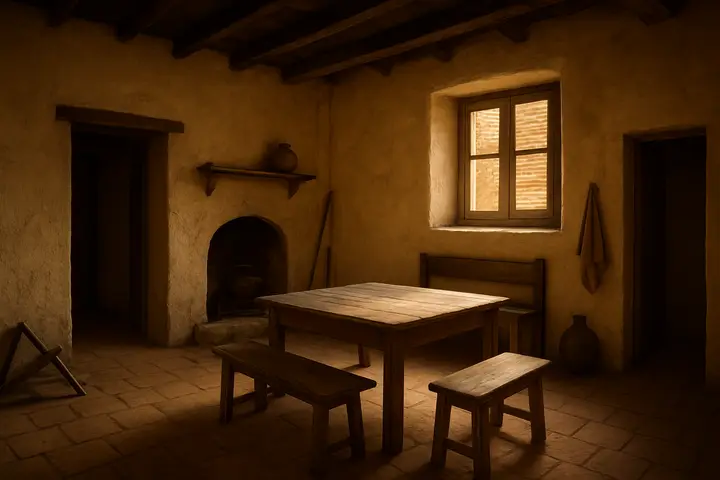
Summary
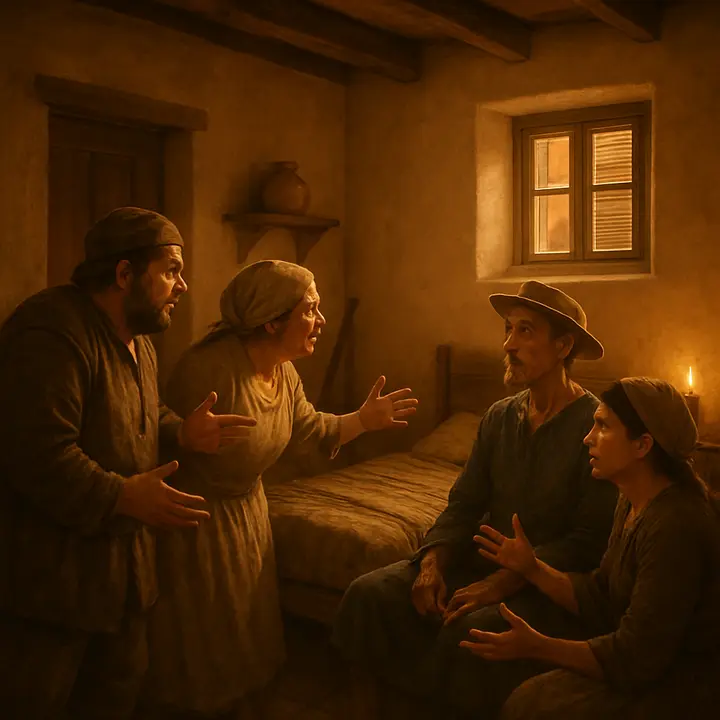
Don Quixote’s niece and his housekeeper discover he plans to set out again as a knight-errant and try by many arguments to keep him at home. They warn him that his roaming brings only misfortune and threaten to complain to God and the king if he persists. Don Quixote answers at length, defending the vocation of the true knight-errant and distinguishing it from the safer, map-paced life of courtly courtiers. He insists that knights must brave sun, cold, hunger, real enemies and even ten giants, and he rejects the niceties of set combat in favor of bold, often unreasonable courage.
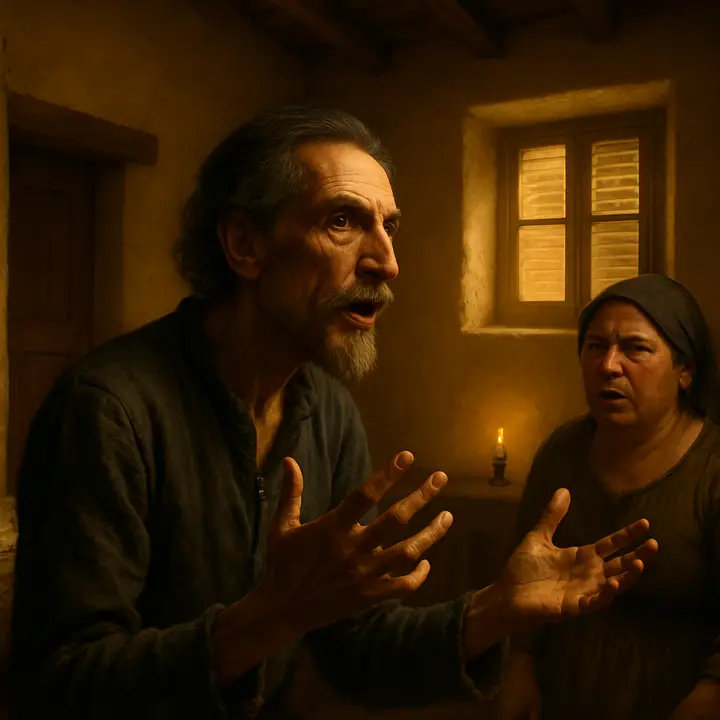
The niece counters that chivalric histories are fables and corrupting, and she bluntly tells her uncle that his attempt to appear vigorous and noble is ridiculous given his age and condition. Don Quixote retorts by lecturing about families and lineage, dividing lineages into four types (those of humble origin that rise; those that begin and remain great; those that begin great and dwindle; and ordinary plebeian lines), and arguing that virtue, generosity and behaviour, not mere birth, prove a gentleman. He explains that arms rather than letters suit him by nature and that destiny, heaven, and inclination compel him to follow the path of knight-errantry. The exchange ranges from polemic to comic, displaying Don Quixote’s learned grandiosity and the niece’s practical impatience. Their quarrel is interrupted by a knock: Sancho Panza is at the door; the housekeeper hides in disgust while the niece admits Sancho, and Don Quixote and Sancho retire to converse privately in Don Quixote’s room, promising another spirited dialogue.
Key events
- Niece and housekeeper perceive Don Quixote will leave again and plead with him to stay.
- Housekeeper threatens to appeal to God and the king if Don Quixote persists.
- Don Quixote contrasts true knights-errant with courtly courtiers and defends dangerous deeds.
- Niece calls chivalric tales fable and criticizes Don Quixote’s pretensions given his age.
- Don Quixote lectures on types of lineage and the virtues that make a gentleman.
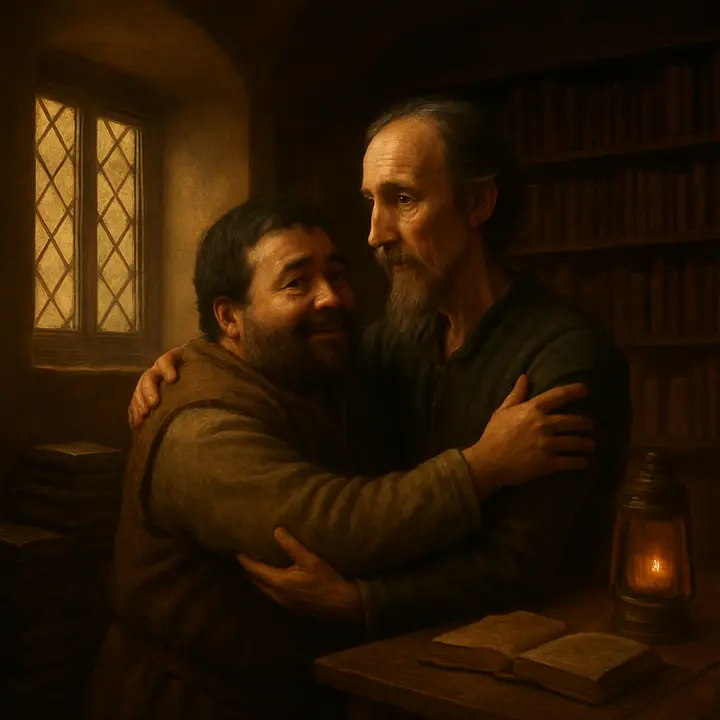
- Knocking at the door: Sancho Panza announces himself; housekeeper hides; niece admits him.
- Don Quixote and Sancho go into his room for a further private conversation.
Chapter 6 in pictures
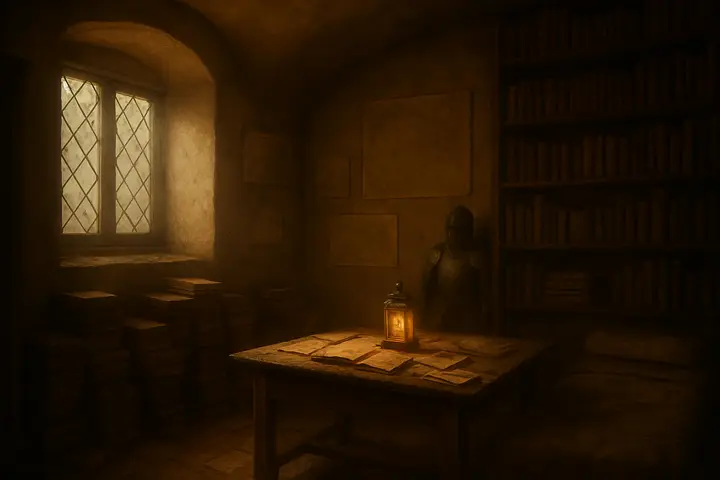
Analysis
This chapter serves as a concentrated display of Don Quixote’s rhetoric, ideology, and comic self-delusion while giving readers direct counterpoint in the voice of the niece and the housekeeper. Structurally, it functions as a domestic check on the knight’s public fantasies: the interior setting and familial voices expose the impracticality and social cost of his obsessive role-playing. Thematically, the passage develops central concerns of the novel—appearance versus reality, social rank versus true virtue, and the power of literature to shape identity. Don Quixote’s long speech about knights, giants, and lineages showcases Cervantes’s skill in parody: he elevates absurdities (attacking ten giants) with pompous learning, making the hero simultaneously grand and ridiculous. The niece’s succinct, worldly retorts ground the scene in common sense and social realism, representing the novel’s counter-authoritative perspective.
Narratively, the chapter advances plot by confirming Don Quixote’s imminent departure and deepening his bond with Sancho (who arrives as the scene closes), while also portraying how his behaviour alienates those closest to him. Symbolically, the discussion of lineage and virtue reframes chivalric glory as ethical conduct rather than hereditary prestige—a claim Don Quixote makes while failing to live it, which creates dramatic irony. The narrator’s neutral presentation lets the reader weigh arguments, highlighting Cervantes’s use of dialogic irony and the collision of idealism and domestic reality.
Important quotes
“What! can it be that a young hussy that hardly knows how to handle a dozen lace-bobbins dares to wag her tongue and criticise the histories of knights-errant?”
Don QuixoteDon Quixote angrily rebukes his niece when she calls chivalric histories fable and corrupting.
“From all I have said I would have you gather, my poor innocents, that great is the confusion among lineages, and that only those are seen to be great and illustrious that show themselves so by the virtue, wealth, and generosity of their possessors.”
Don QuixoteDon Quixote delivers a long lecture on the true measures of nobility, emphasizing conduct over birth.
Characters in Chapter 6
- Don Quixote
- Sancho Panza
- Teresa Cascajo
- Niece
- Housekeeper
- Señor Amadis
All chapter summaries ›Characters ›
Read Don Quixote illustrated
Every scene in these notes comes from the Book2Life reader, where the full public-domain text is illustrated as you read, with character portraits and narration. Free in your browser and on iPhone.
