Don Quixote Chapter 8 Summary
The Windmills and the Coach
Don Quixote attacks windmills he believes are giants, then interrupts a coach, fights a Biscayan attendant, and the narrative breaks off mid-duel.

Summary
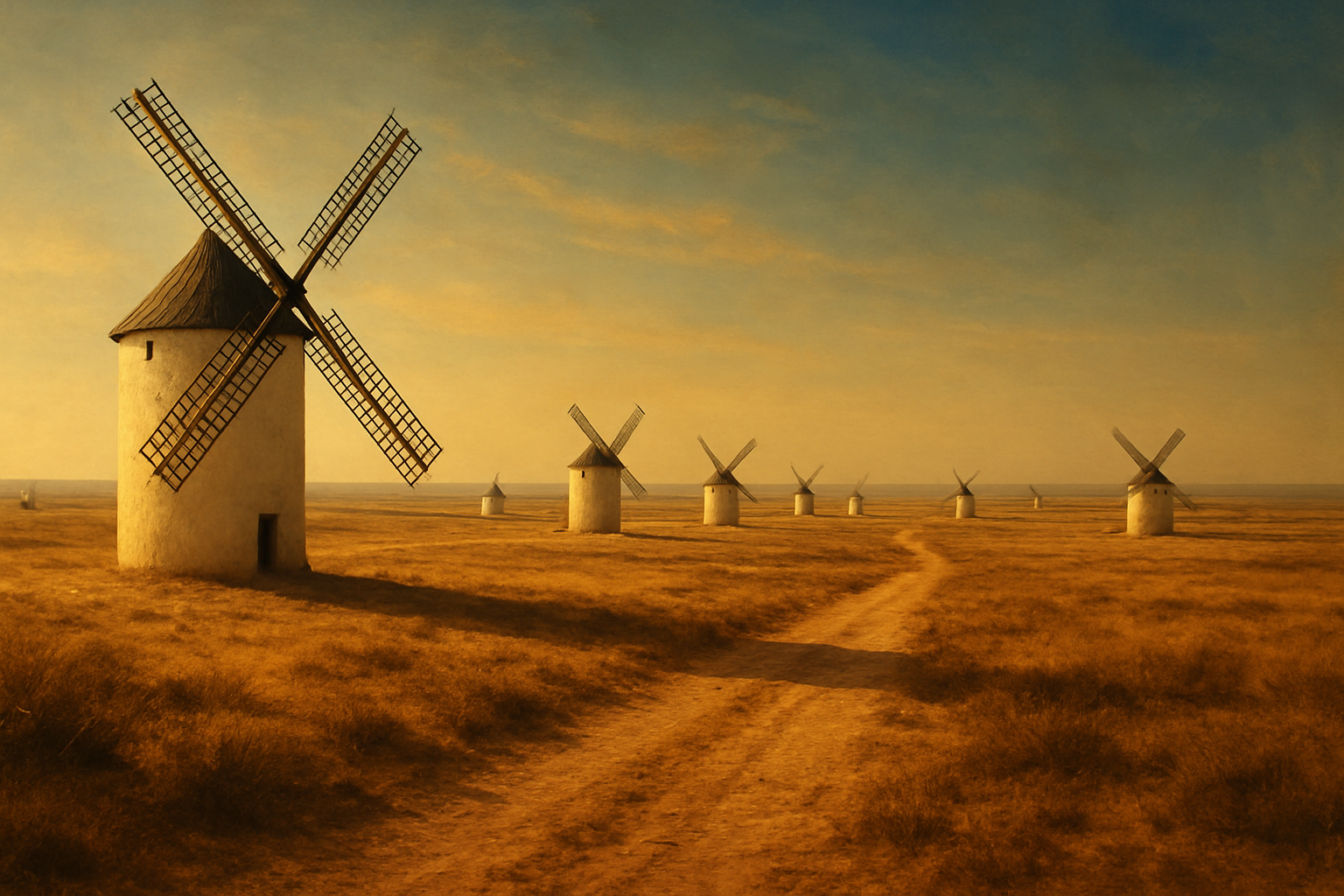
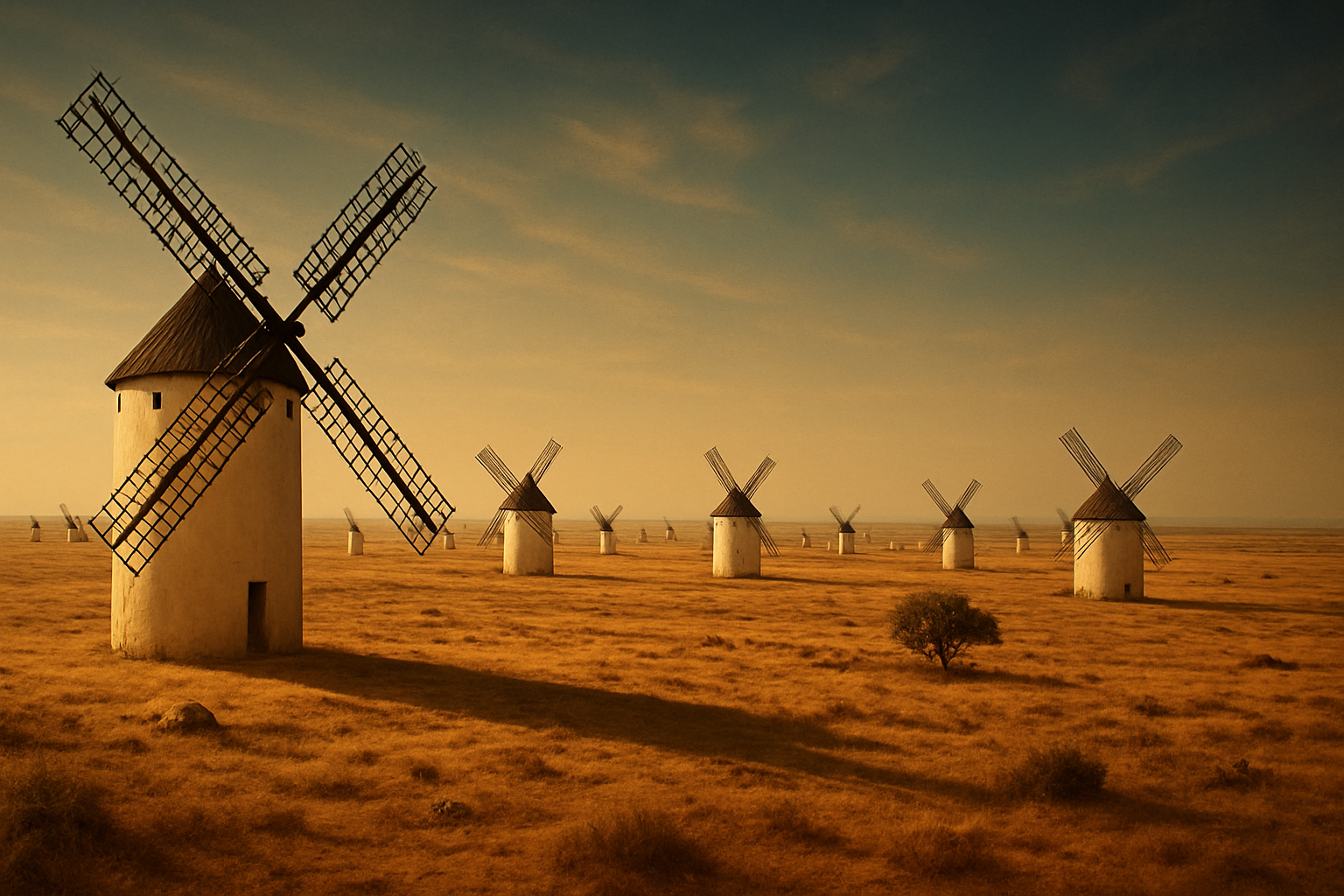
Don Quixote and his squire Sancho Panza travel across a plain and come upon thirty or forty windmills. Don Quixote insists they are monstrous giants with long arms and charges at them despite Sancho’s warnings; his lance is shattered by a sail and he and his horse Rocinante are thrown to the ground. Sancho reproves him, helps him up, and Don Quixote blames a malignant enchanter for the transformation of giants into mills. After resting and improvising a replacement lance from an oak branch, they continue toward Puerto Lapice, where Don Quixote expects to find adventures.
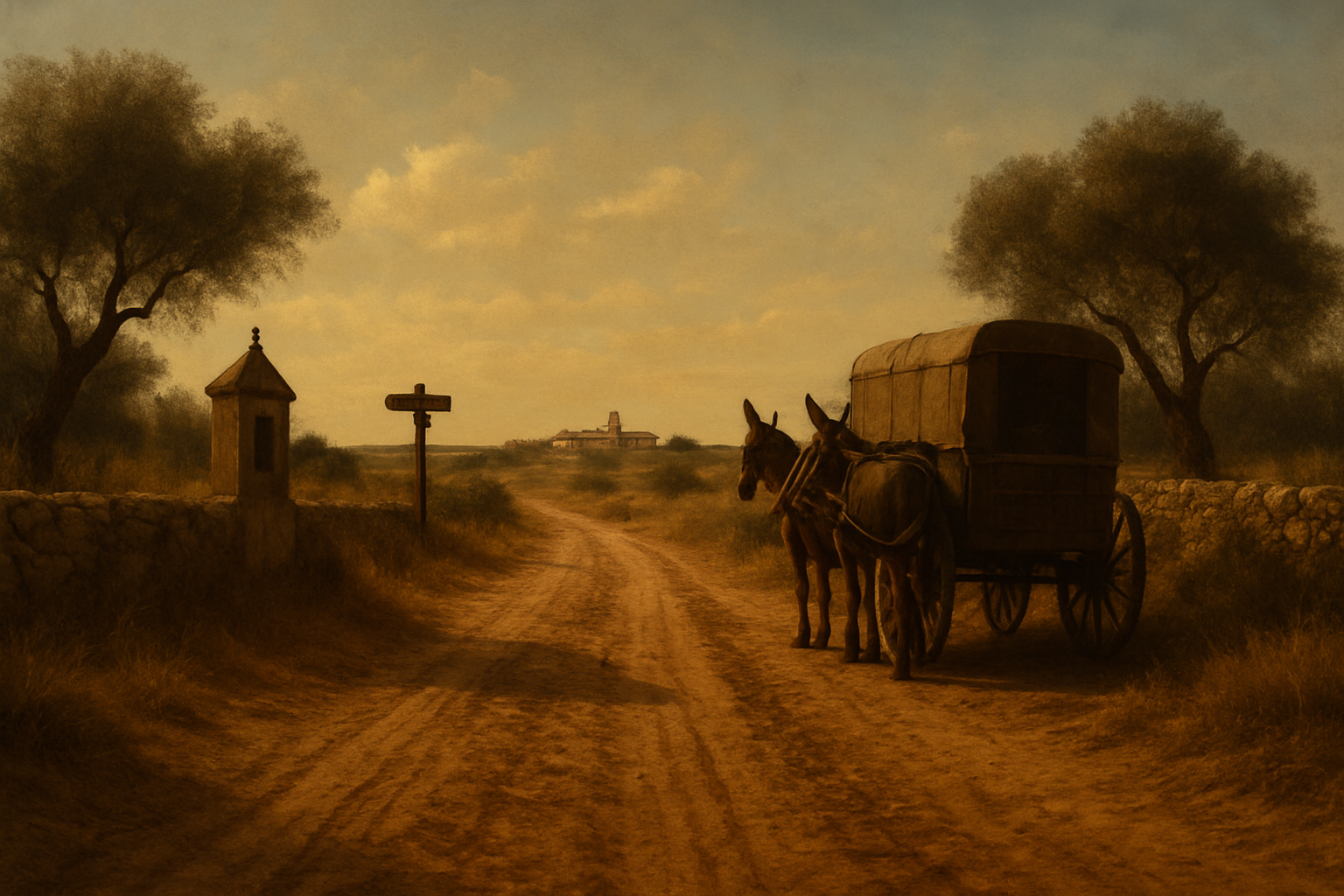
On the road they encounter two friars of the order of St. Benedict and a coach with attendants conveying a Biscay lady. Convinced the friars are magicians carrying off a princess, Don Quixote confronts and charges one friar, who narrowly escapes, while the other flees. Sancho tries to strip the fallen friar’s gown as lawful spoil and is beaten by the muleteers. Don Quixote then interrupts the coach, demands the lady be freed and that she present herself to his lady Dulcinea, and provokes a violent quarrel with a Biscayan squire who draws a cushion as a shield. The two combatants engage fiercely, Don Quixote invoking Dulcinea’s aid, and the chapter ends abruptly with the duel left unresolved while the narrator claims the continuation will appear in the Second Part.
Key events
- Don Quixote mistakes windmills for giants and attacks, breaking his lance and being thrown.
- Sancho helps his master up; Don Quixote blames enchantment and fashions a new lance from an oak branch.
- They trek toward Puerto Lapice and discuss rules for Sancho’s conduct in battle.
- Don Quixote confronts two friars and a coach, believing a princess is being abducted.
- Sancho attempts to strip a fallen friar and is beaten by muleteers.
- Don Quixote fights a Biscayan attendant; the duel is described up to its crisis and then the narrative abruptly breaks off.
Chapter 8 in pictures


Analysis
This chapter provides one of the novel’s most famous early episodes, using comic misperception to define Don Quixote’s character and to foreground major themes: the tension between illusion and reality, chivalric self-fashioning, and the costs of fantasy. The windmill episode dramatizes Don Quixote’s conviction and heroic posture—he interprets ordinary objects through the lens of romance, insisting on noble significance despite contrary evidence. Sancho functions as foil and chorus, offering earthy common sense, worry, and comic relief; their interaction establishes the companionship and power imbalance that will drive much of the narrative.
Structurally, the chapter alternates set-piece episodes (the windmills; the coach encounter) to show how Quixote’s interpretive lens generates escalating conflicts with the world around him. The broken lance and improvised oak branch symbolize the parody of chivalric equipment and the gap between idealized deeds and practical consequence. The sudden narrative interruption — the author’s claim to lack of further material and the promise of continuation in a ‘‘Second Part’’ — introduces metafictional play: the text calls attention to itself as a constructed history and to the limits of chronicling. The chapter thus blends slapstick action, character development, and narrative self-awareness, signaling Cervantes’s interest in how stories are told and believed.
Important quotes
“What we see there are not giants but windmills, and what seem to be their arms are the sails that turned by the wind make the millstone go.”
Sancho PanzaSancho’s pragmatic correction of Don Quixote’s illusion, highlighting the contrast between common sense and the knight’s fantasy.
“I remember having read how a Spanish knight, Diego Perez de Vargas by name, having broken his sword in battle, tore from an oak a ponderous bough or branch, and with it did such things that day, and pounded so many Moors, that he got the surname of Machuca...”
Don QuixoteDon Quixote justifies fashioning a new lance from an oak branch by appealing to chivalric precedent and heroic imagination.
“It spoils all, that at this point and crisis the author of the history leaves this battle impending, giving as excuse that he could find nothing more written about these achievements of Don Quixote than what has been already set forth.”
NarratorA metafictional aside that interrupts the climactic duel and foregrounds the text’s self-conscious narrative artifice.
Characters in Chapter 8
- Don Quixote
- Sancho Panza
- Dulcinea del Toboso
- Rocinante
- Two friars of the order of St. Benedict
- A Biscay lady (in the coach)
- A Biscayan squire (Biscayan)
- Muleteers
All chapter summaries ›Characters ›
Read Don Quixote illustrated
Every scene in these notes comes from the Book2Life reader, where the full public-domain text is illustrated as you read, with character portraits and narration. Free in your browser and on iPhone.
