Don Quixote Chapter 9 Summary
Conclusion of the Battle
The chapter finishes the fight between Don Quixote and the Biscayan, then the narrator finds an Arabic manuscript by Cide Hamete Benengeli that records the episode.
Summary
The chapter reopens the fierce duel between the valiant Biscayan and Don Quixote at the point where the earlier account had cut off. The Biscayan strikes first and strips part of Don Quixote’s helmet and ear; Don Quixote retaliates with a crushing blow that leaves the Biscayan bloodied and falling from his mule. As Don Quixote prepares to execute him, the ladies who ride with the Biscayan beg for mercy for their squire. Don Quixote spares him on condition that the squire will present himself to Dulcinea del Toboso on Don Quixote’s behalf.
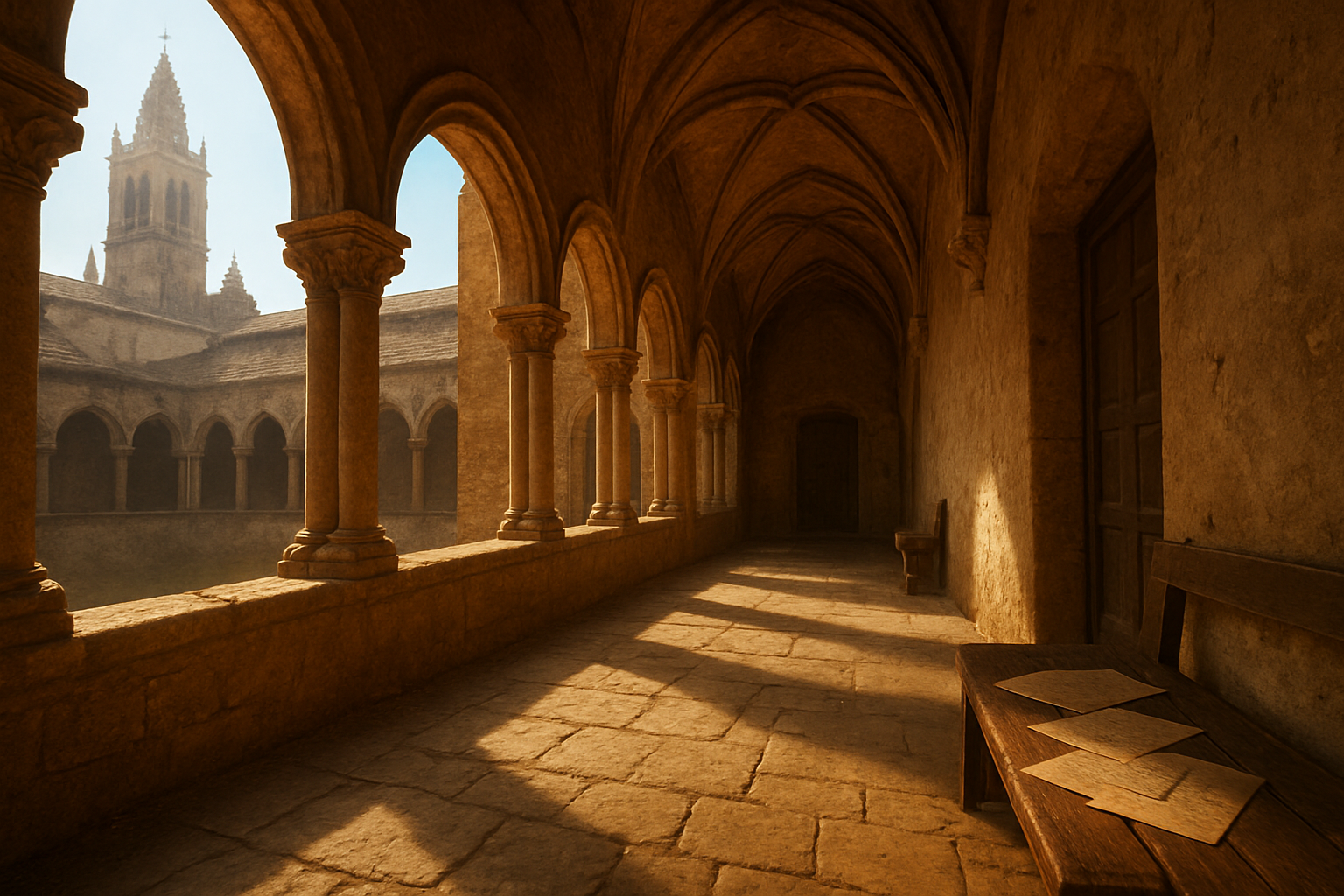
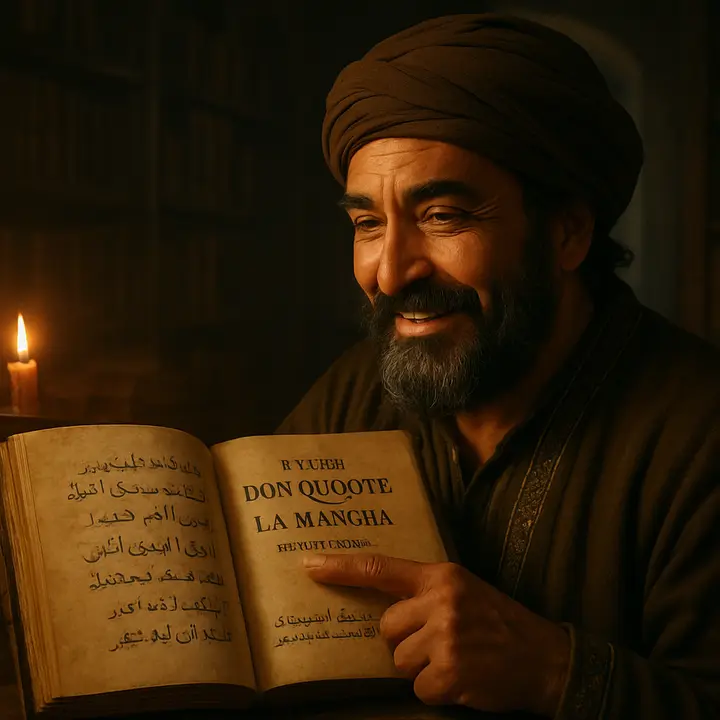
After the combat narrative is completed, the narrator recounts how he discovered the continuation of the story. While in Toledo he buys pamphlets from a boy and has a Morisco translate them from Arabic into Castilian. The translated pamphlets bear the title and claim to be the History of Don Quixote of La Mancha by Cide Hamete Benengeli, an Arab historian. The narrator describes a printed illustration that labels the combatants (including Don Sancho de Azpeitia for the Biscayan and Sancho Zancas for Sancho Panza) and praises the accurate, even comic, portraiture of Rocinante and Sancho. He defends the authenticity of the narrative while playfully criticizing the Arab author for possible omissions, then resumes the second part’s description of the battle and Don Quixote’s magnanimous condition for sparing the fallen man.
Key events
- The Biscayan delivers a fierce first blow, stripping Don Quixote’s armour and helmet.
- Don Quixote counterattacks, bloodies the Biscayan and causes him to fall from his mule.
- Don Quixote threatens to kill the fallen man but is entreated by the ladies in the coach.
- Don Quixote spares the squire on condition that he present himself before Dulcinea del Toboso.
- Narrator finds Arabic pamphlets in Toledo and hires a Morisco to translate them.
- The pamphlets are revealed as the History of Don Quixote by Cide Hamete Benengeli and include an illustration labeling the figures.
Chapter 9 in pictures


Analysis
This chapter performs both diegetic and metafictional work. Diegetically, it closes a previously interrupted combat and displays Don Quixote’s mixture of martial ferocity and chivalric magnanimity: he is willing to spare an adversary only after securing a ritual service to his lady, Dulcinea, emphasizing the novel’s recurring theme of idealized chivalry shaped more by code than by ordinary human compassion. The rescue-by-intercession scene also emphasizes the role of female petitioners in tempering violent masculinity.
Metafictionally, the narrator’s discovery of an Arabic manuscript attributed to Cide Hamete Benengeli shifts authority: Cervantes inserts a fictional Arab historian as the ostensible source, calling attention to questions of authorship, translation, and truth in storytelling. The comic description of the woodcut labels (Rocinante, Sancho Zancas, Don Sancho de Azpeitia) underlines the novel’s interest in representation and names, while the narrator’s teasing about possible Arab omissions satirizes scholarly bias and reminds readers that histories are mediated. Overall, the chapter balances action with self-reflexive commentary, advancing plot while foregrounding the novel’s concerns about narrative reliability, honor, and the public commerce in stories.
Important quotes
“History of Don Quixote of La Mancha, written by Cid Hamete Benengeli, an Arab historian.”
NarratorThis line frames the found pamphlets as a translated chronicle and introduces the fictional Arab historian as the story's source, shifting narrative authority.
“Rocinante was marvellously portrayed, so long and thin, so lank and lean, with so much backbone and so far gone in consumption, that he showed plainly with what judgment and propriety the name of Rocinante had been bestowed upon him.”
NarratorA comic yet affectionate description that underlines representation in the pamphlet and highlights how names and images shape readers’ perceptions of characters.
“In truth, fair ladies, I am well content to do what ye ask of me; but it must be on one condition and understanding, which is that this knight promise me to go to the village of El Toboso, and on my behalf present himself before the peerless lady Dulcinea, that she deal with him as shall be most pleasing to her.”
Don QuixoteDon Quixote’s sparing of the fallen man depends on a chivalric, theatrical service to Dulcinea, revealing his priorities and the ritual logic of his honour.
Characters in Chapter 9
- the valiant Biscayan
- Don Sancho de Azpeitia
- Don Quixote
- Sancho Panza
- Sancho Zancas
- Rocinante
- Dulcinea del Toboso
- Cide Hamete Benengeli
- the Morisco (translator)
- the silk mercer
- the boy
- the ladies in the coach
All chapter summaries ›Characters ›
Read Don Quixote illustrated
Every scene in these notes comes from the Book2Life reader, where the full public-domain text is illustrated as you read, with character portraits and narration. Free in your browser and on iPhone.
