
Dulcinea del Toboso in Don Quixote
Minor character
The imagined lady-love of Don Quixote—Aldonza renamed Dulcinea—mostly absent yet central to his ideals and actions.
Who is Dulcinea del Toboso?
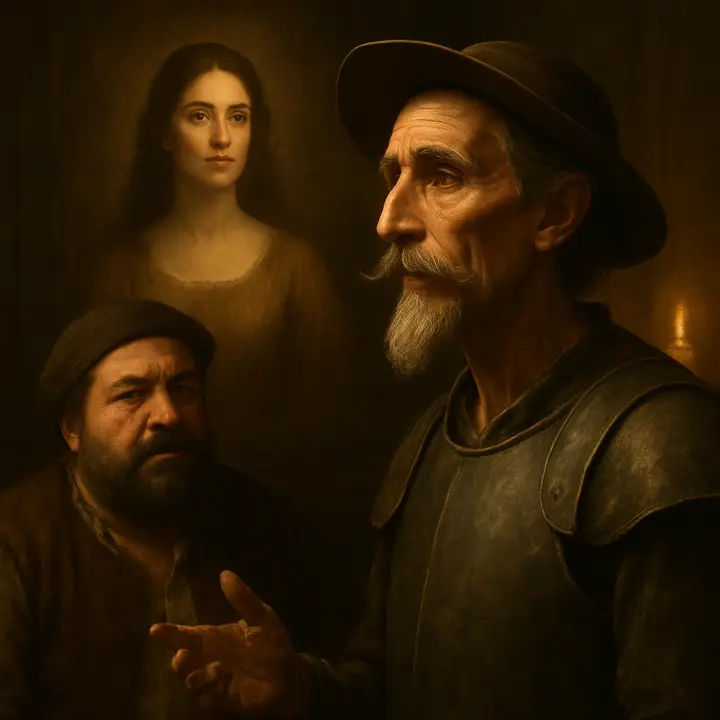
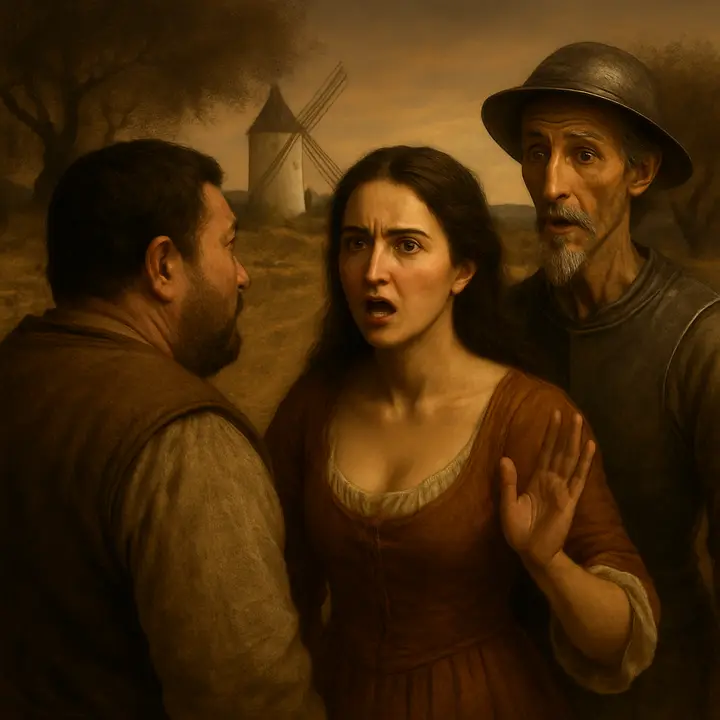
Dulcinea del Toboso is the chivalric lady to whom Don Quixote devotes his quests and from whom he draws moral purpose. She is in fact a local peasant (Aldonza) whom Don Quixote renames to fit his knightly fantasy, but within the chapters she rarely appears as herself; instead she exists chiefly as an object of devotion, a motive for action, and a test of fidelity. Don Quixote continually interprets ordinary encounters, insults, and transformations as injuries or enchantments inflicted upon Dulcinea’s true, exalted form (e.g., Chapter 10’s substituted country girl and the repeated claims that enchanters have altered her appearance). Her imagined condition prompts Sancho’s embassy to El Toboso (Chapters 8–11), motivates Don Quixote’s penances in the Sierra Morena (Chapters 23–26), and becomes the focus of elaborate theatrical pranks—most notably the duchess and duke’s staged “disenchantment” ceremonies and the mock procession presenting a veiled nymph as Dulcinea (Chapters 34–36). Though Dulcinea herself is not a continuous, embodied presence, her reputed enchantment, alleged needs, and symbolic status shape many episodes and spur other characters’ practical and comic responses.
In the book: Dulcinea is the chivalric lady to whom Don Quixote dedicates his quests, serving as his imagined muse and moral compass. Though she rarely appears directly, her presence shapes his ideals of love, honor, and glory, highlighting the novel’s play between fantasy and reality and satirizing the tradition of courtly love.
Personality
- Idealized
- Don Quixote renames a village girl Dulcinea and treats everyday reports of her work as signs of exalted nobility (Chapter 1; Chapters 8–11).
- Absent/Absenting
- She rarely appears in person; Sancho brings back a peasant girl presented as Dulcinea, which Don Quixote explains away as enchantment (Chapter 10).
- Catalytic
- Her supposed enchantment motivates Don Quixote’s penances in the Sierra Morena and Sancho’s promised lashes in the duke’s pageants (Chapters 25–26; 35–36).
- Symbolic
- The dukes construct an elaborate procession and a veiled nymph to represent Dulcinea in order to manipulate Don Quixote’s fidelity (Chapters 34–35).
Character arc
Dulcinea’s ‘arc’ is largely conceptual rather than personal: she begins as a name and model created by Don Quixote (Chapter 1) and remains primarily the projection of his chivalric ideal throughout the narrative. Early on her image serves to legitimate Don Quixote’s self-fashioning and motivate his first sallies; Sancho’s embassy to El Toboso and subsequent comic reports (Chapters 8–11) expose the gap between reputation and reality, but rather than abandoning his devotion Don Quixote repeatedly explains discrepancies as acts of sorcery. The figure of Dulcinea is then appropriated and instrumentalized by others: Dorotea’s ruse and the duke and duchess’s entertainments stage a visible, theatrical Dulcinea (Chapters 29–36), using her supposed enchantment to test loyalty and to amuse aristocratic hosts. These impersonations do not transform Dulcinea herself—she remains absent as a distinct person—but they deepen her role as a narrative device that reveals Don Quixote’s constancy, Sancho’s pragmatism, and society’s appetite for spectacle. By the time Don Quixote nears his end, the reality behind the name has been explored, mocked, and performed repeatedly; Dulcinea’s image has therefore shifted from a private obsession to a public emblem of the novel’s central tension between fantasy and the world of appearances.
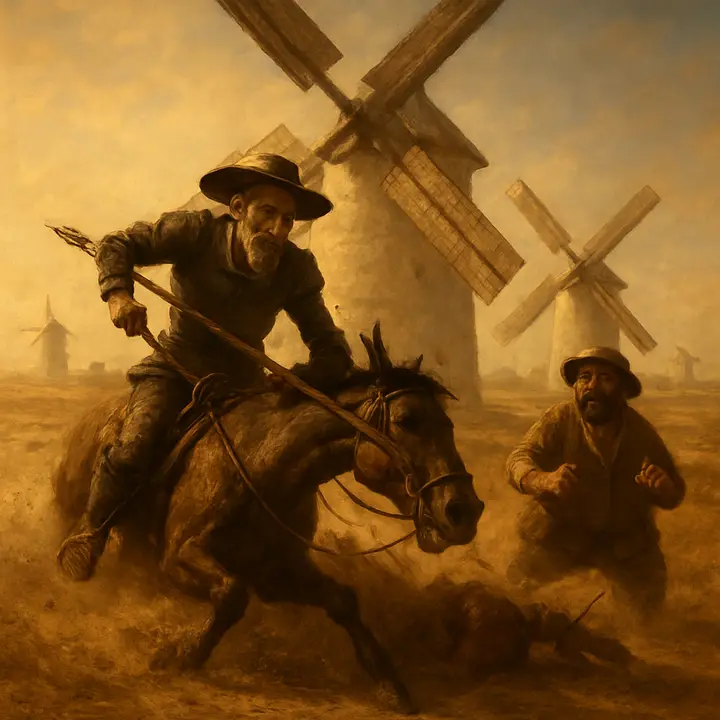
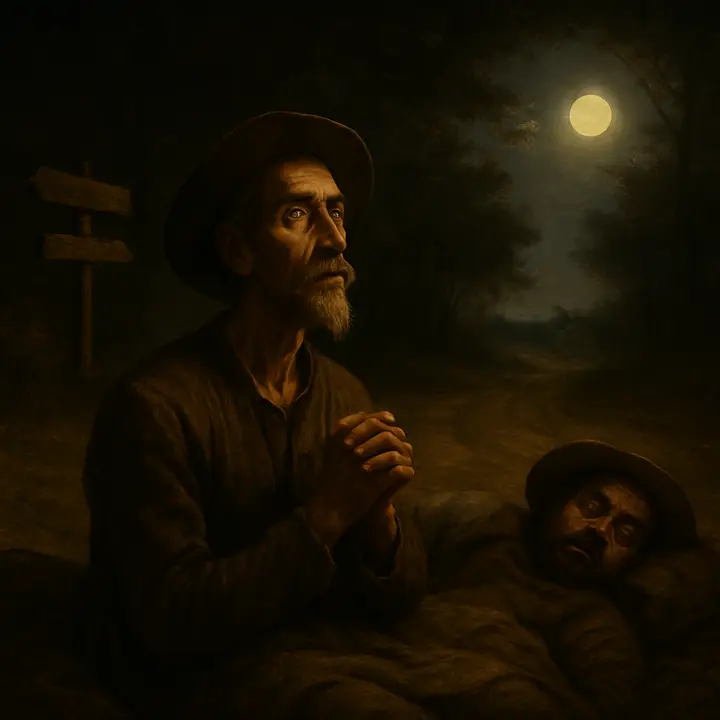
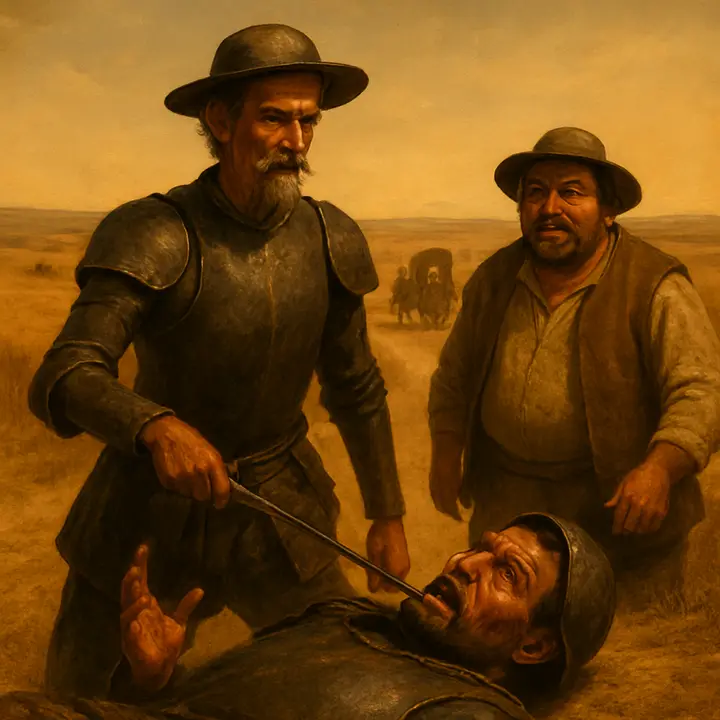
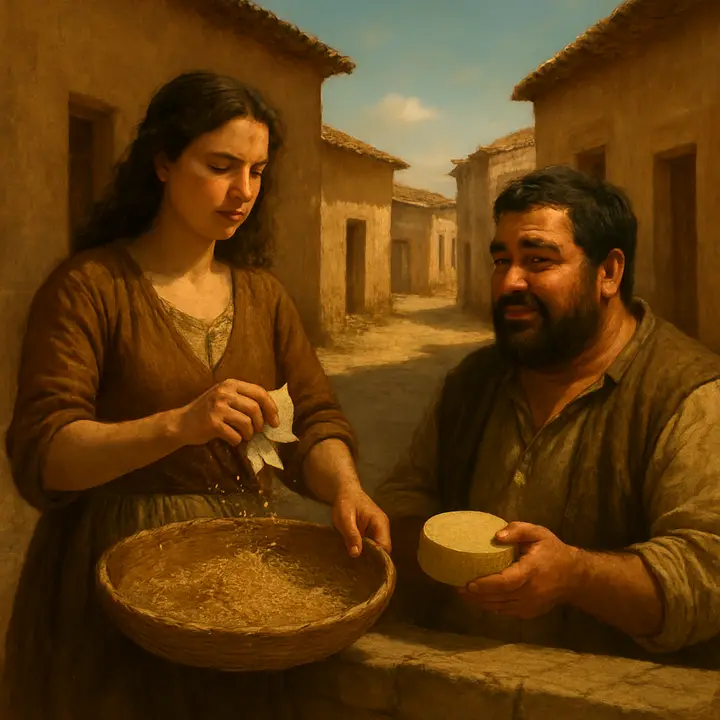
Dulcinea del Toboso in pictures
Relationships
- Don Quixote Object of his devotion, the inspiring (mostly imagined) lady whose honor motivates his quests.
- Sancho Panza Recipient and messenger of Don Quixote’s commands regarding Dulcinea; Sancho’s embassy to El Toboso and his pragmatic deceptions concern her (Chapters 8–11).
- The Duke Instrumentalizes Dulcinea’s image in elaborate pranks and staged disenchantment ceremonies to tease and study Don Quixote (Chapters 34–36).
- The Duchess Co-conspirator with the duke who oversees theatrical representations of Dulcinea and uses them to test Don Quixote’s constancy (Chapters 32–36).
- Ginés de Pasamonte One of the freed galley-slaves whom Don Quixote orders to tell Dulcinea of his deeds—an order that is mocked when the men refuse (Chapter 22).
- Maritornes A real woman whose ordinary presence and comic encounters with Don Quixote become misread through his devotion to Dulcinea (Chapter 16).
Why Dulcinea del Toboso matters
Dulcinea functions as the novel’s touchstone for the clash between illusion and actuality. As an idealized, largely absent figure she exposes how Don Quixote’s chivalric worldview remakes mundane persons and events into objects of transcendence; at the same time, the repeated public impersonations and mock-disenchantments reveal how society reads, exploits, and satirizes such ideals. Through Dulcinea Cervantes interrogates courtly love, the authority of fiction over perception, and the thin line between noble fidelity and delusion, turning an absent beloved into a central engine of comedy, critique, and thematic coherence.
Chapters with Dulcinea del Toboso
- Chapter 1
- Chapter 2
- Chapter 3
- Chapter 4
- Chapter 5
- Chapter 8
- Chapter 9
- Chapter 10
- Chapter 16
- Chapter 20
- Chapter 21
- Chapter 22
- Chapter 23
- Chapter 25
- Chapter 26
- Chapter 29
- Chapter 30
- Chapter 31
- Chapter 43
- Chapter 48
- Chapter 2
- Chapter 3
- Chapter 4
- Chapter 8
- Chapter 9
- Chapter 10
- Chapter 11
- Chapter 14
- Chapter 17
- Chapter 20
- Chapter 22
- Chapter 23
- Chapter 30
- Chapter 32
- Chapter 34
- Chapter 35
- Chapter 36
- Chapter 40
- Chapter 44
- Chapter 46
- Chapter 48
- Chapter 56
- Chapter 58
- Chapter 59
- Chapter 62
- Chapter 63
- Chapter 68
- Chapter 70
- Chapter 71
- Chapter 72
- Chapter 73
- Chapter 74
More Don Quixote characters
 Don QuixoteProtagonist
 Sancho PanzaMajor character
- RRocinanteMajor character
 The DukeMajor character
- DDappleMinor character
 The BarberMajor character
 Cide Hamete BenengeliNarrator
 The DuchessMajor character
All chapter summaries ›Characters ›
Read Don Quixote illustrated
Every scene in these notes comes from the Book2Life reader, where the full public-domain text is illustrated as you read, with character portraits and narration. Free in your browser and on iPhone.
