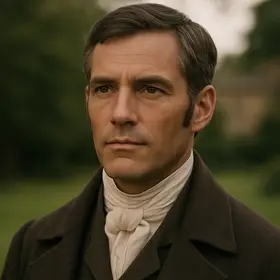
George Knightley in Emma
Major character
Practical, older neighbor and landowner of Donwell Abbey; Emma’s moral conscience and eventual husband.
Who is George Knightley?
George Knightley is the steady, pragmatic gentleman of Donwell Abbey, brother to John Knightley and an intimate family friend of the Woodhouses. He values good sense, fair conduct, and responsible management of property and people. Throughout the novel he watches Emma’s schemes with affectionate impatience: he teases her, corrects her when she errs, and acts to protect those he cares about (for example, supplying Miss Bates with apples and intervening when he thinks charity or attention is due). Knightley opposes frivolity and affectation—he disapproves of Frank Churchill’s levity, Mrs. Elton’s pretension, and Emma’s more heedless manipulations—yet he also shows tenderness, patience, and capacity for forgiveness. His wants are simple: the well-being of his neighbourhood, the proper treatment of dependents, and a partner of steady sense; by the close of the story he becomes Emma’s moral partner and husband, combining his practical steadiness with affection and a willingness to reconcile and forgive.
In the book: When we first meet him, he’s the level-headed neighbor who’s practically family—Emma’s frequent sparring partner and her brother-in-law’s elder brother. He runs Donwell Abbey, drops by Hartfield all the time, and isn’t afraid to tell Emma when she’s being fanciful, but it’s clear he cares for her and her father.
Personality
- Practical
- In Chapter 1 he offers a tempering perspective on Miss Taylor’s marriage and household plans, and in Chapter 6 he organizes and persuades others to visit Donwell for sensible enjoyment.
- Moral
- At Box Hill (Chapter 7) he reproaches Emma sharply for humiliating Miss Bates, acting as her conscience and defender of the socially vulnerable.
- Protective
- In Chapter 10 he rides to the Bateses when summoned and offers to fetch or provide what is needed for Jane’s comfort.
- Affectionate
- In Chapter 13 he confesses his longstanding feelings to Emma and speaks with warmth and concern for her, revealing deep personal attachment.
- Judicious
- In Chapter 18 he praises Robert Martin’s character and supports Harriet’s match as the sensible and humane choice.
Character arc
Knightley begins as the older, steadier presence who gently chastises Emma’s vanities and directs social judgment in Highbury. Early appearances show him teasing and correcting Emma (Chapter 1) and exercising sound judgment on local matters (Chapters 6 and 12). As Emma’s missteps accumulate—most notably her encouragements around Harriet and the Box Hill humiliation—Knightley moves from mild admonishment to sharp rebuke (Chapter 7), demonstrating that his concern is principled rather than merely pedantic. He leaves after rebuking Emma, prompting her profound remorse and initiating a moral reckoning. Later he acts with steady compassion: attending to the Bates family (Chapters 10 and 8), assessing Frank Churchill’s conduct critically (Chapters 5–13), and supporting proper outcomes for Harriet and Robert Martin (Chapter 18). The arc culminates when Knightley transforms private affection into open declaration (Chapter 13), which forces Emma to confront her own heart. By the end he shifts from being Emma’s censor and friend to her partner and husband, combining his practical steadiness with forgiving tenderness and a readiness to form an equal domestic union (Chapters 18–19).
Relationships
- Emma Woodhouse Longtime family friend, frequent conversational sparring partner, moral critic, and eventual husband.
- John Knightley Younger brother with easy cordiality and familial teasing; they share household and social responsibilities.
- Isabella Knightley Sister-in-law (John’s wife) and part of the domestic circle with whom he exchanges social visits and news.
- Harriet Smith A ward of Emma’s concern; Knightley acts to defend her interests and later approves her match with Robert Martin.
- Miss Bates A neighbour of precarious standing whom he protects and aids, notably by bringing apples and practical assistance.
- Frank Churchill Object of Knightley’s cold disapproval for levity and secretive behaviour; Knightley condemns his conduct toward others.
Quotes by George Knightley
“A straightforward, open-hearted man like Weston, and a rational, unaffected woman like Miss Taylor, may be safely left to manage their own concerns.”
Chapter 1Knightley rebukes Emma’s claim of credit for creating the match and introduces his practical, cautionary perspective.
“How could you be so unfeeling to Miss Bates? How could you be so insolent in your wit to a woman of her character, age, and situation?”
Chapter 7Mr. Knightley's direct reproach to Emma as they prepare to leave, calling attention to the moral seriousness of her teasing.
“I would not go away without seeing you, but I have no time to spare, and therefore must now be gone directly.”
Chapter 9Mr. Knightley announces a sudden departure for London, his tone more grave than usual and prompting Emma's reflections.
Why George Knightley matters
Knightley embodies the novel’s moral center: judgment tempered by compassion, practical good sense, and civic responsibility. Through his interventions—rebuking cruelty, protecting the vulnerable, and valuing honest merit over appearance—Austen uses him to test Emma’s conscience and to dramatize growth from vanity to humility. His eventual union with Emma signals a balance between feeling and reason, private affection and public duty, reinforcing themes of social obligation, moral development, and the value of self-knowledge.
Chapters with George Knightley
More Emma characters
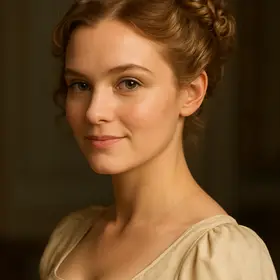 Emma WoodhouseProtagonist
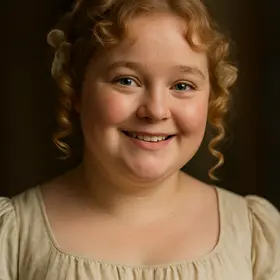 Harriet SmithMajor character
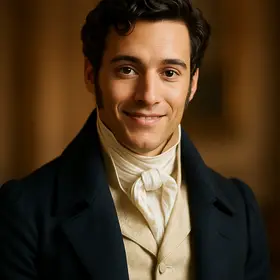 Frank ChurchillMajor character
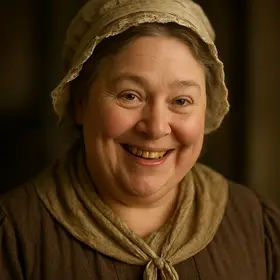 Miss BatesMajor character
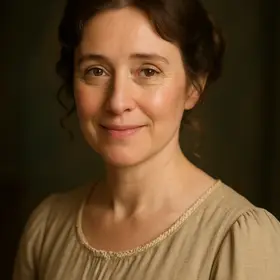 Mrs WestonMajor character
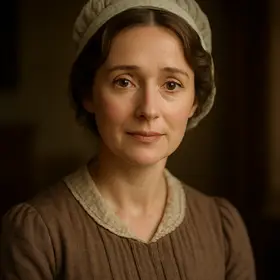 Isabella KnightleyMajor character
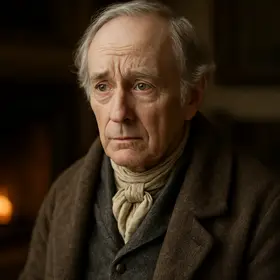 Mr WoodhouseMajor character
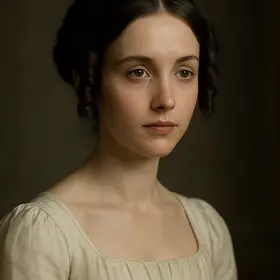 Jane FairfaxMajor character
All chapter summaries ›Characters ›
Read Emma illustrated
Every scene in these notes comes from the Book2Life reader, where the full public-domain text is illustrated as you read, with character portraits and narration. Free in your browser and on iPhone.
